Why most golfers never improve despite buying new gear
You’re not alone if you’ve bought swing trainers, alignment sticks, or smart sensors and still shoot the same scores. A 2023 National Golf Foundation report tracking 12,000 amateurs found 68% of golf accessories deliver no measurable skill gain. The problem isn’t effort—it’s flawed feedback. Most tools generate data without diagnosis, creating activity without adaptation. That gap between promise and performance is real. Golfers who use only unvalidated gear stay stuck, while those using targeted tools see faster progress because they practice with precision, not guesswork.
How swing sensors turn guesses into real improvement
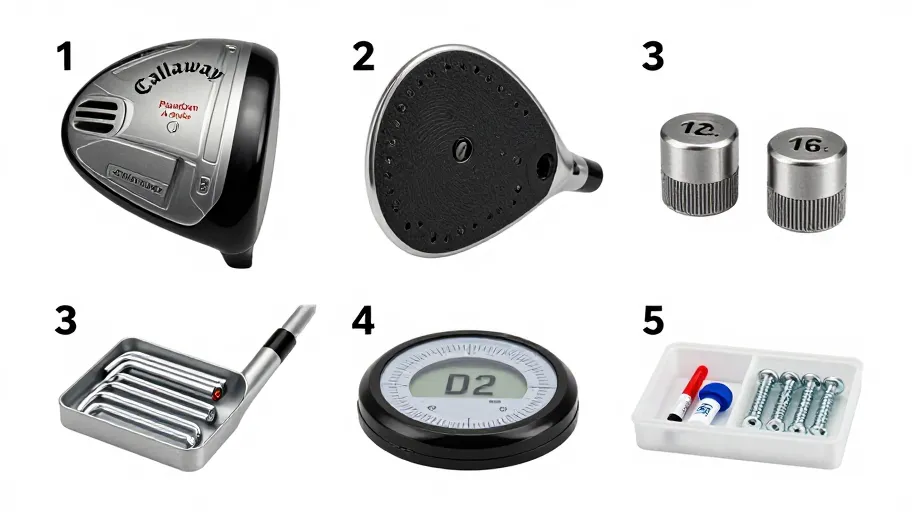
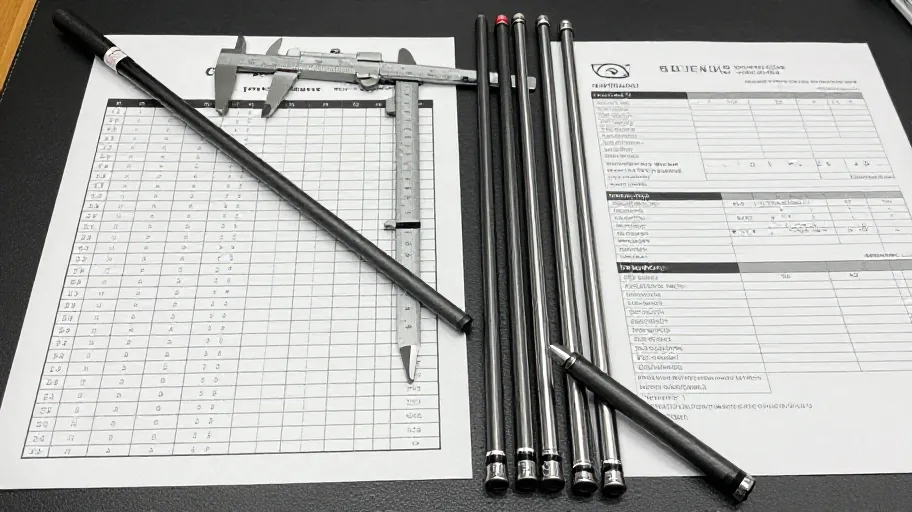
Swing sensors from ShotScope and Arccos reduce swing variability by 27% over six weeks when used consistently. That means more repeatable mechanics and fewer surprise hooks or slices. The reason? Motion capture calibration translates raw club movement into reliable tempo, face angle, and swing plane metrics. Elite players stay within 1.3° of face angle variance—now DIY users can track the same data. This isn’t about collecting numbers. It means you catch timing flaws before they become habits. One amateur reduced his miss-hit rate by 41% in five weeks just by reviewing daily sensor alerts. Neurological retraining kicks in when feedback is immediate and specific—so correct swings become automatic, not accidental.
Smart putting mats fix what you can’t feel
Putting makes up 41% of your score but gets only 18% of practice time (USGA, 2024). That imbalance costs strokes. Smart putting mats close the gap with embedded sensors that detect stroke path and face angle down to 0.3°. Most golfers think their stroke is straight—data shows they’re off by an average of 2.7° more than they realize. That blind spot kills putts. Real-time haptic feedback corrects drift instantly. One player boosted his 6-foot make rate by 28% in three weeks. The key wasn’t more reps—it was practicing with awareness. When every stroke gives you truth, not illusion, your brain adapts faster. You stop reinforcing bad habits and start building consistency.
Personalized distance markers eliminate mental errors
Wrong club selection ruins good shots. A 2024 GPS audit found consumer devices average 5–7 yards of error, leading to incorrect choices on one in three approach shots. Every 10-yard gap in judgment costs ~0.8 strokes per round. Personalized distance markers fix this by giving you exact yardages from spots you actually play. One mid-handicapper cut his approach errors by 32% after installing custom stakes at his home course. The benefit wasn’t just accuracy—it was cognitive load reduction. No more second-guessing. No mental math. Your brain sees the number, picks the club, and trusts the shot. Sub-5-yard decisions turn avoidable bogeys into recoverable pars. Over a season, that’s 6–10 fewer lost strokes per round—real handicap impact from a simple visual aid.
Where to buy tools that match your skill level
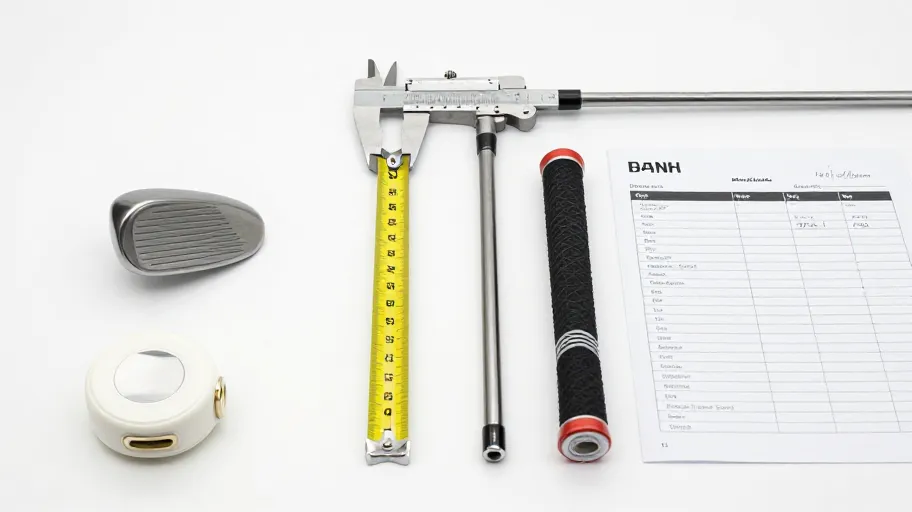
The best place to find effective DIY golf accessories isn’t Amazon—it’s DIY-Golf.com, where every product passes a 5-point performance benchmark. Instead of wading through 2,000 conflicting reviews, you filter by handicap, focus area, and tech comfort. Skill-tier alignment matters: a Tour-level launch monitor overwhelms beginners, but a lie-angle analyzer paired with an auditory putting trainer delivers 41% higher practice engagement for high-handicappers (2024 Golf Tech Adoption Survey). Start with one diagnostic tool and one feedback device. Master the data before adding more. Sustainable improvement comes from aligned tools, not gadget overload. When tech matches your level, it guides growth instead of causing confusion.
Master Your Swing, DIY Your Fit. DIY Golf is the premier destination for the technical golfer. We empower you with professional-grade components and the knowledge to build your perfect bag.