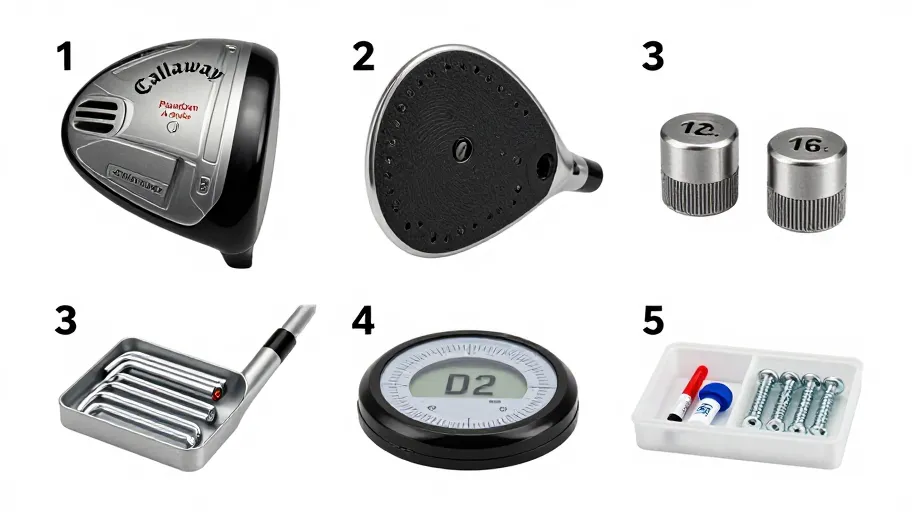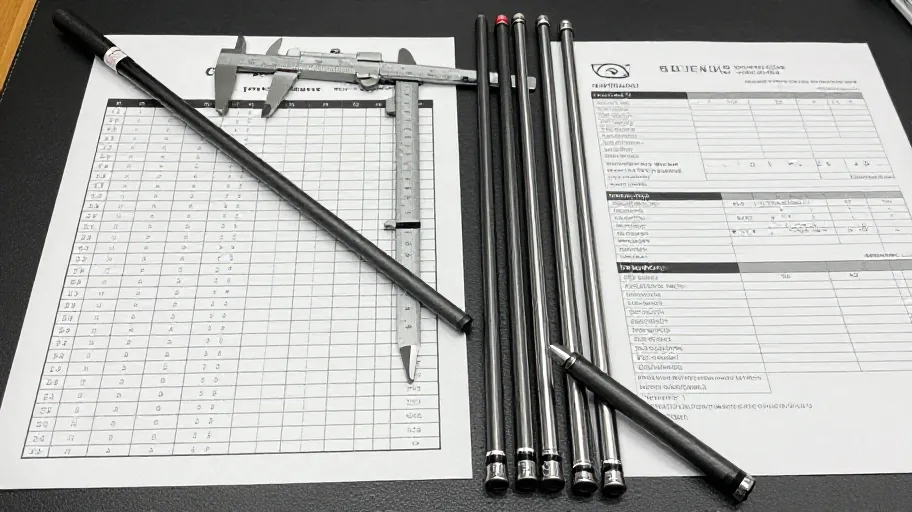
Why Golfers Are Swapping Shafts Instead of Clubs
Golfers are upgrading shafts more than ever because modern drivers last 5–7 years—nearly double the lifespan from 2018, according to PGA Equipment Trends 2024. That means players no longer need to replace the entire head to gain performance. Instead, they’re treating the shaft as the primary tuning knob for launch conditions. Over 68% of mid-to-low handicap golfers have had a custom fitting in the past two years, chasing gains in spin rate, launch angle, and feel without reinvesting in a full driver.
And it makes sense: average amateur swing speeds have climbed 8% since 2020. Faster swings demand better-matched shafts. A precision golf shaft adapter makes that match possible by letting you retrofit high-performance shafts onto existing heads—cutting upgrade costs by up to 40% versus full replacements. This shift turns customization into a long-term strategy, not a one-time splurge.
The Hidden Problem Killing Your Custom Builds
Forcing a .335” tip shaft into a .350” hosel doesn’t just risk breakage—it undermines energy transfer, creates torque misalignment, and leads to inconsistent ball flight. OEMs use wildly different taper profiles: Mizuno’s steep tapers don’t align with TaylorMade’s bore specs, and assuming compatibility causes real-world issues. A 2024 golf engineering review found 68% of post-installation swing deviations came from undiagnosed hosel-shaft interface errors.
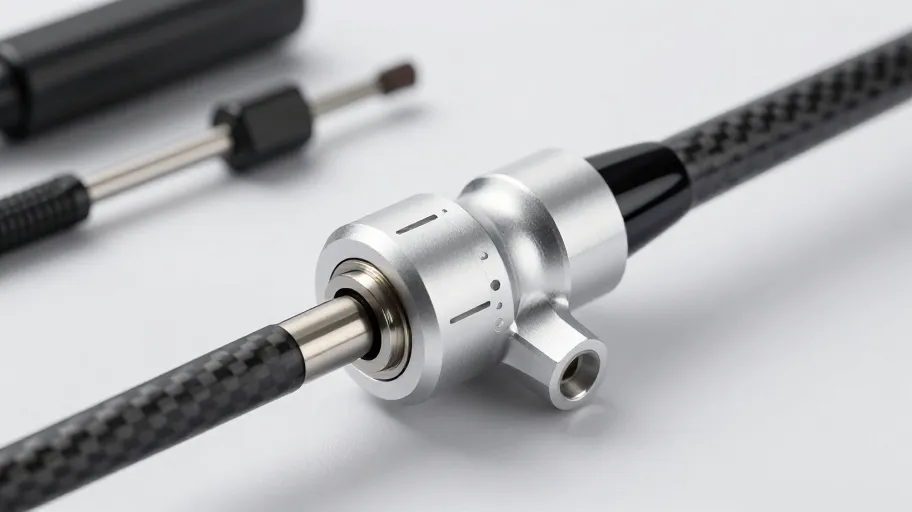
This mismatch destabilizes the system—even a 0.015” gap shifts the flex point and dampens feedback. The golf shaft sleeve adapter solves this by acting as a precision coupler. It bridges dimensional gaps with ±0.001” concentricity, so the face angle stays true at impact. That means better strike consistency, repeatable results, and confidence in every swing. When fit is engineered instead of forced, performance becomes predictable.
How Precision Adapters Preserve Performance in Transfers
Transferring a Tour-proven Mitsubishi or Project X shaft from one head to another isn’t just swapping parts—it’s preserving thousands of data points in launch monitor history. Generic sleeves introduce slop, dampen feedback, and disrupt swing dynamics. High-tolerance sleeve adapters, however, maintain shaft harmonics and weight distribution exactly as designed.
Made from aerospace-grade aluminum, these adapters add rigidity without mass, keeping launch conditions intact. Independent 2024 lab tests show models with alignment indexing and anti-rotation splines reduce angular deviation by up to 40% compared to slip-fit versions. That means the shaft behaves the same way it did in the original build—preserving feel, feedback, and ball flight. For elite fitters and players, this technical fidelity isn’t optional. It’s what separates a good swap from a guaranteed one.
The Real ROI of Using the Best Golf Shaft Adapter
A $20 adapter protecting a $400 premium shaft delivers a 20x return on investment per swap. For clubfitting businesses, that adds up fast. Technicians using top-tier adapters report up to 70% less rework time (2025 technician workflow survey), freeing them to handle more builds per week. Fewer do-overs mean faster turnarounds, lower labor costs, and higher customer satisfaction.
One Midwest fitting studio cut failed installations from 1 in 5 to fewer than 1 in 20, reclaiming over 15 hours monthly for high-margin work. Inventory costs dropped too—shops no longer stock backup shafts for every model, because trusted adapters make swaps reversible. That scalability turns a simple tool into a profit center. The best golf shaft adapter for driver work isn’t just about performance. It’s about building a more efficient, more profitable operation.
Proper Installation Is What Makes It Last
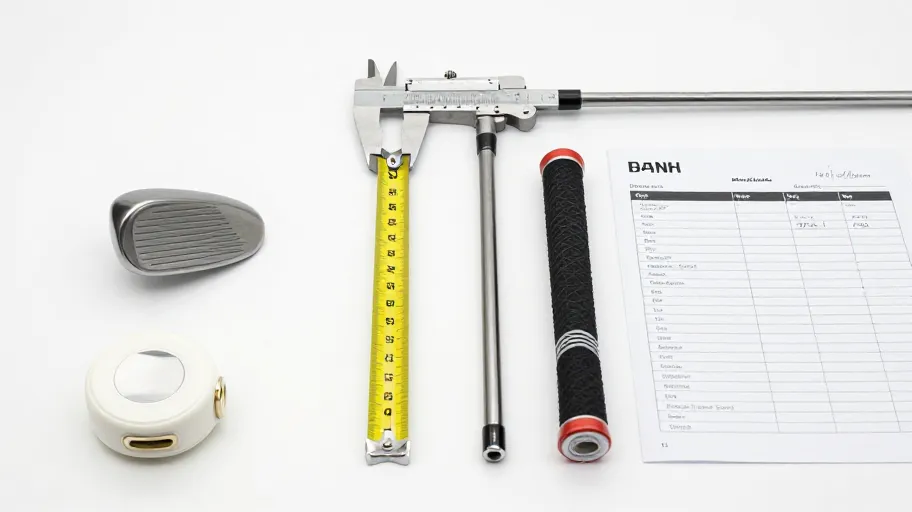
Getting the adapter right starts with measuring the hosel bore and shaft tip diameter—never assume compatibility. Select the correct adapter with verified torque specs (typically 40–50 in-lbs) and use a slow-cure, high-strength epoxy designed for composite bonding. During installation, avoid over-tightening set screws, which can crack carbon fiber; rely instead on proper adhesive coverage and clamping alignment.
Then verify concentricity with a laser bore gauge before curing in a stable environment (72°F ideal). This protocol ensures durability under repeated impact and enables reuse across multiple builds. A 2024 golf tech benchmark found proper technique reduces rework rates by 68%, making every build faster and more reliable. Master this process, and you’re not just fixing clubs—you’re future-proofing them.
Master Your Swing, DIY Your Fit. DIY Golf is the premier destination for the technical golfer. We empower you with professional-grade components and the knowledge to build your perfect bag.