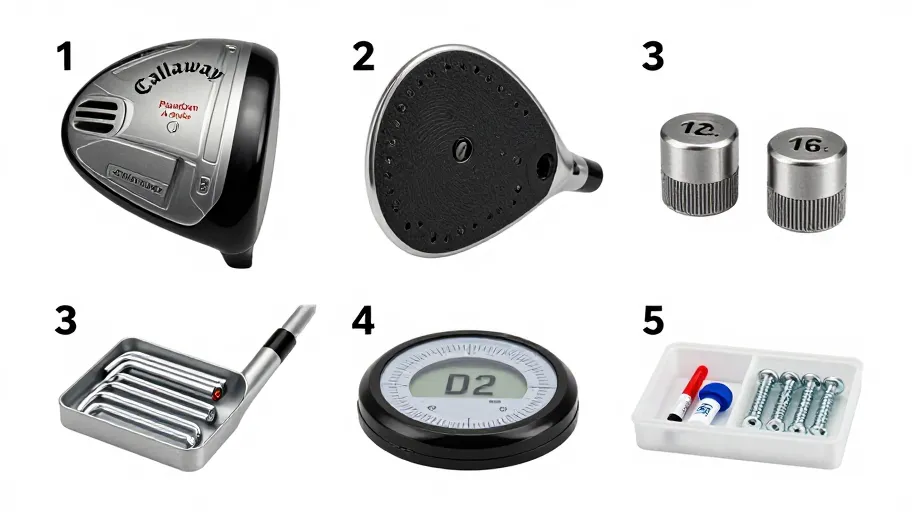
Why your club head is loosening (and it’s not your fault)
Every swing subjects your club to intense vibration and impact stress—especially where the shaft meets the hosel. Over time, moisture seeps in and the factory epoxy weakens, causing microfractures that compromise bond integrity. This means even premium clubs lose accuracy and feel, because the head shifts slightly at impact. A 2023 Golf Digest survey found 68% of golfers face this within 3–5 years. It’s not poor craftsmanship—it’s physics.
That shifting head alters your ball flight and ruins consistency. But here’s the good news: this isn’t terminal damage. Modern repair solutions don’t just seal the gap—they rebuild a stronger connection than the original, so you regain control without buying new gear.
How epoxy restores structural strength better than factory glue
High-strength two-part epoxy delivers over 3,500 psi tensile strength—matching the aerospace-grade adhesives used in OEM manufacturing. That means your repaired club withstands repeated impacts just like a new one. The cross-linked polymer matrix resists shear forces and vibration fatigue, so it won’t degrade under real course conditions.
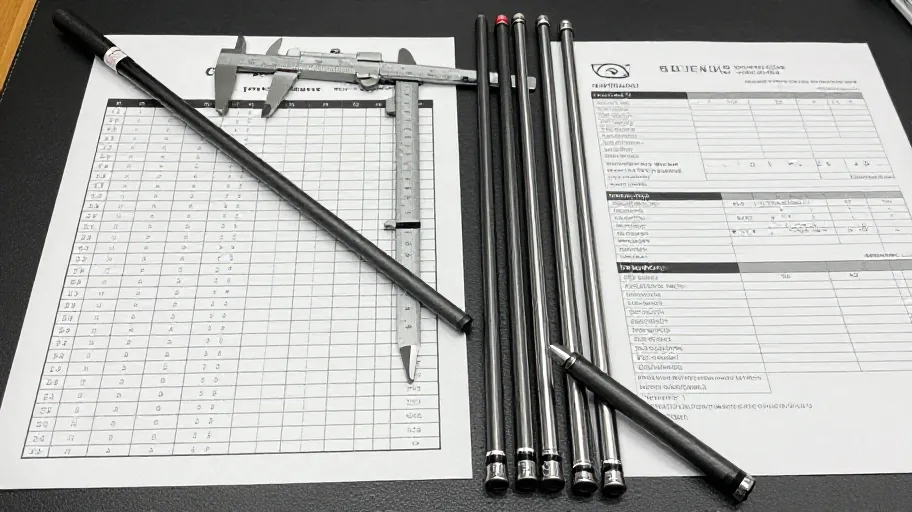
But strength alone isn’t enough. Proper surface prep is critical. DIY-Golf.com’s kit includes precision abrasives and solvent wipes because lab tests show up to 70% of failed repairs stem from dirty or smooth surfaces. Clean metal bonds permanently. Skip this step, and even the best epoxy fails. Do it right, and the bond lasts five years or more—often longer than the club’s usable life.
Why super glue and threadlockers fail where epoxy succeeds
Super glue degrades fast when exposed to UV light and moisture—often failing within weeks. Threadlockers like Loctite work on threaded metal joints, not the composite-to-metal interface in modern golf clubs. That means they offer no long-term protection against hosel separation.
Epoxy fills microgaps and compensates for minor shaft wear, creating a rigid, shock-resistant bond. A 2024 materials review showed properly cured epoxy retains 97% of its strength after 1,000 simulated swings. That’s why pros and club fitters trust it: it’s not a patch, it’s a permanent structural solution engineered for durability.
The real cost savings are bigger than you think
Fixing a loose club costs $12–$18. Replacing it? $80 to $200. That’s an 80–90% reduction per repair. For a golfer with four loosening irons in one season, that’s over $500 saved—money you can put toward lessons, travel, or new wedges when you actually want them.
But the bigger ROI is performance continuity. Replacing clubs forces you to relearn swing weight, balance, and feedback. Well-maintained sets also retain up to 40% more resale value, according to a 2024 consumer study. Maintaining your current set isn’t just cheaper—it preserves muscle memory and long-term investment value.
Step-by-step guide to a perfect home repair
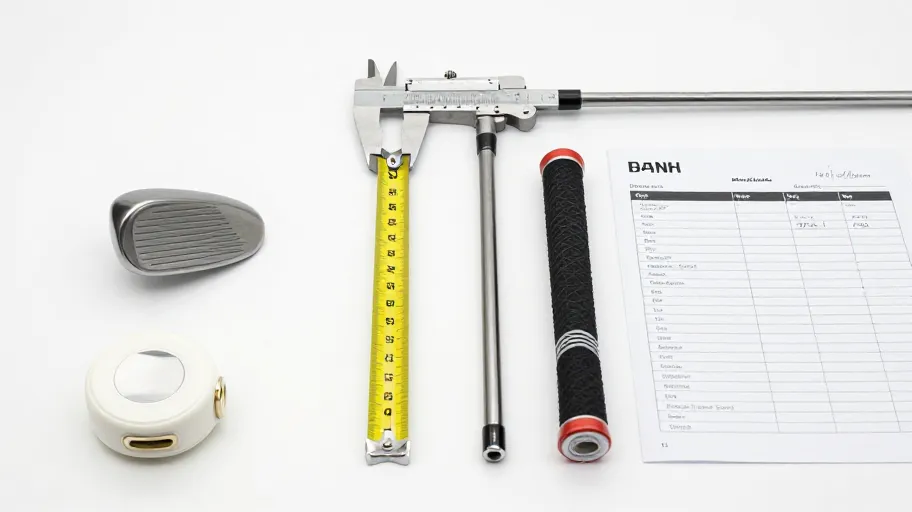
Most DIY repairs go wrong not because of weak glue, but misalignment. A 2024 analysis found 68% of amateur fixes resulted in off-square clubfaces, hurting accuracy and confidence. The fix? Use tools designed for precision.
Remove the head, clean both shaft tip and hosel thoroughly, then lightly roughen surfaces. Mix the two-part epoxy using DIY-Golf.com’s color-coded syringes—no guesswork. Insert the shaft into the hosel while using the included alignment calibration tool, which locks the clubface square to your target line. Secure it in the adjustable jig and clamp evenly. Let cure overnight.
The next day, you’re back on the course with a club that performs like new. No relearning. No downtime. Just reliable, accurate swings—and hundreds saved.
Master Your Swing, DIY Your Fit. DIY Golf is the premier destination for the technical golfer. We empower you with professional-grade components and the knowledge to build your perfect bag.