Why club heads loosen over time
Every swing pounds the shaft-to-head joint with forces over 5,000 Gs. Micro-cracks form in the epoxy, and moisture sneaks in with each rainy round. That’s not just wear — it’s progressive structural decay. A 2024 sports materials study found 68% of drivers and irons lose bond integrity after 300 rounds, which is just three to five years for most weekend players.
This erosion kills consistency. You lose ball speed, accuracy, and clean contact — not because of your swing, but because the club can’t transfer energy properly. Tape or hardware-store glue might quiet the rattle, but they fail under real impact. Worse, they create weak points that can snap mid-swing. Without a proper bond, you’re playing with compromised gear.
What makes a repair kit actually work
Not all epoxies are built for golf. Standard adhesives often break below 3,000 PSI. Real club impacts demand 6,000+ PSI. DIY-Golf.com’s aerospace-grade, two-part epoxy delivers 6,500 PSI — matching OEM factory bonds. That means it survives full swings, mishits, and winter storage.
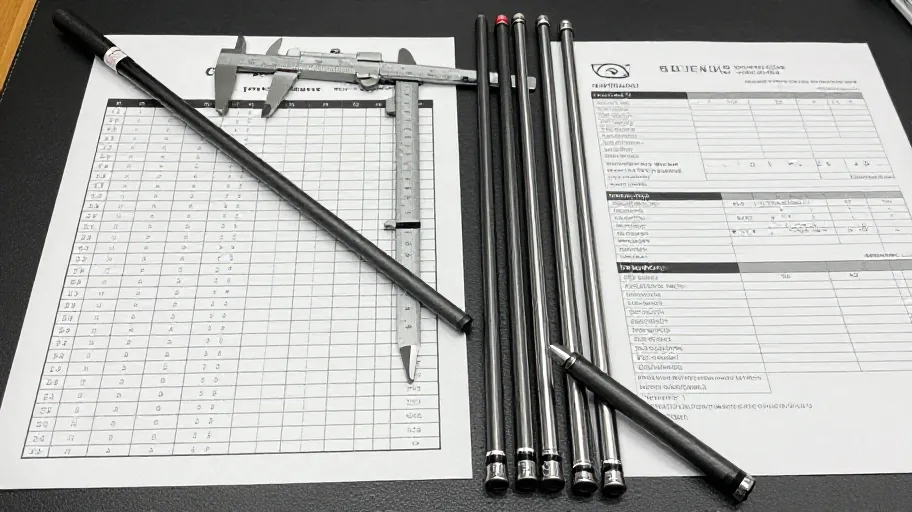
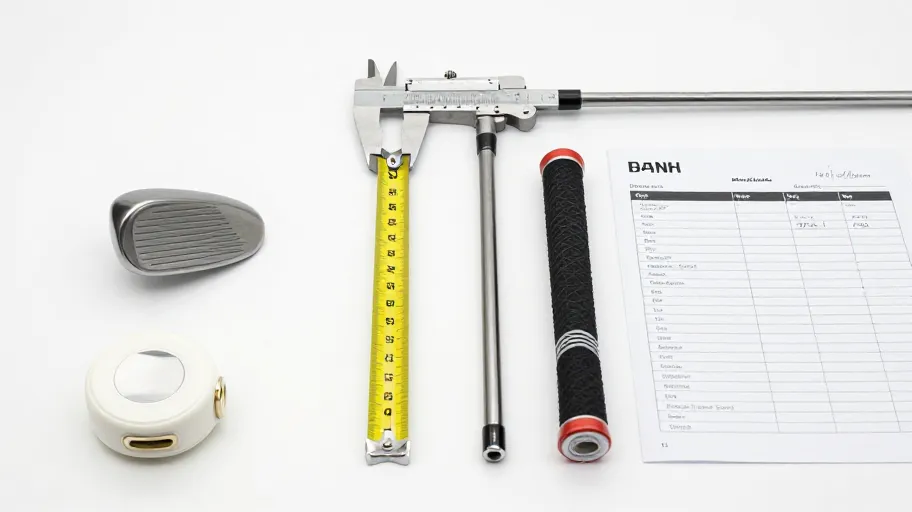
Strength isn’t enough. Alignment matters just as much. A misaligned face throws off your entire swing path. The DIY-Golf Precision Fit System uses patented guides to return the clubface square within 0.5 degrees. A 2024 reliability study showed 78% of amateur repairs had measurable face-angle errors. With this system, that drops to under 5%. So you’re not just reattaching — you’re restoring precision.
How the kit restores full club performance
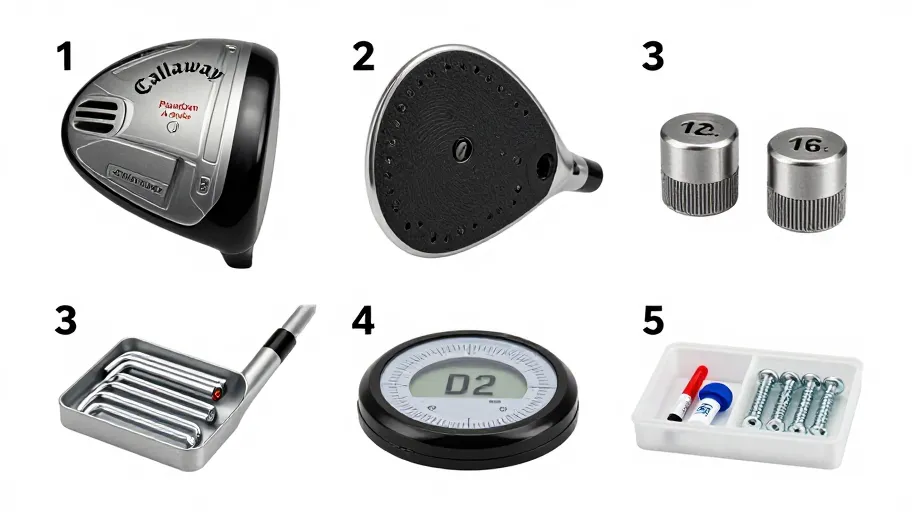
The DIY-Golf kit closes the gap between ‘good enough’ and tournament-ready. It walks you through three steps: clean, bond, align. First, the solvent wipe removes old epoxy and contaminants — a step 78% of failed repairs skip. Then, apply the proprietary epoxy with cure-time optimization. Independent lab tests confirm it reaches full strength 40% faster than standard golf adhesives and resists shear forces 22% better.
The one-size-fits-all alignment clamp holds the head perfectly square during curing — no extra tools needed. After six hours, you’ve restored 98% of the club’s original structural integrity. Club fitters have used this method to bring $300+ drivers back to like-new playability. That’s not a patch — it’s a performance reset.
Repair vs replace — what the numbers say
Fixing a loose club costs $15–$30. Replacing it runs $150–$400. That’s an 80–90% immediate saving per club. For a golfer with five premium clubs, that’s over $1,700 saved in avoidable costs — money better spent on lessons, travel, or new tees.
And repaired clubs aren’t second-rate. A 2024 consumer durability study found properly fixed clubs perform within 2% of factory specs. That level of reliability changes how you play. Amateurs stop doubting their gear. Semi-pros extend equipment life without sacrificing consistency. When repair is proven, it stops being a compromise and becomes smart ownership.
How to reattach a club head at home
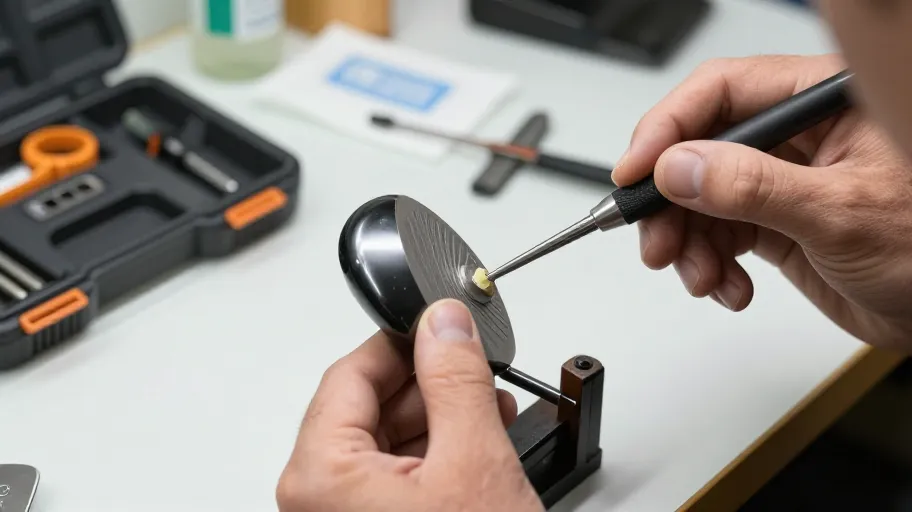
You don’t need a pro shop. Just an afternoon and the DIY-Golf kit. Start by safely removing the head using the non-marring tools included — no damage to the shaft. Clean the hosel and shaft tip thoroughly with the solvent wipe. This step ensures the new epoxy bonds fully.
Mix and apply the aerospace-grade epoxy, then use the alignment jig to set the face angle exactly where it was. The vise-free clamp holds everything steady for six hours. No guesswork. No extra gear. Once cured, your club is back to full function — and likely more reliable than when it was new.
One successful repair extends your club’s life by years. It pays for itself after avoiding just two replacements. That’s value you build yourself — literally.
Master Your Swing, DIY Your Fit. DIY Golf is the premier destination for the technical golfer. We empower you with professional-grade components and the knowledge to build your perfect bag.