Why Most Golfers Play Worse Than They Should
Over 70% of amateur golfers never adjust their clubs after purchase—playing year after year with equipment mismatched to their swing. That means inconsistent ball flight, frustrating miss-hits, and a handicap stuck in neutral. A 2024 PGA technician survey found over 65% of off-the-rack irons have lie angles off by 2° or more. This small error shifts the club’s sole position at impact, misaligning the swing path and sending shots offline.
Lie angle isn’t just a number—it directly affects strike quality. When it’s wrong, even good swings produce thin or fat contact, robbing you of distance and control. But here’s the shift: what used to require $200 pro shop fittings is now doable at home. With basic tools and guided steps, you can correct these flaws yourself and finally let your swing shine.
What DIY Golf Club Tuning Actually Means
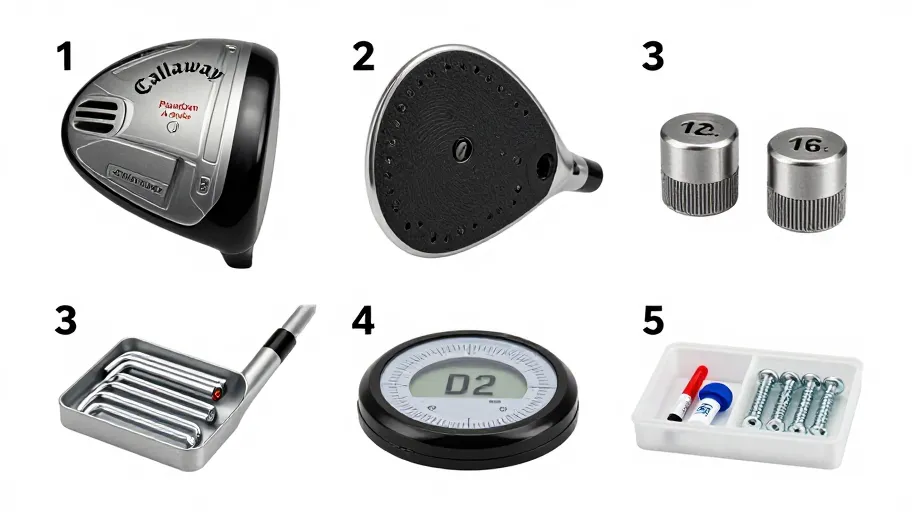
DIY golf club tuning means adjusting key specs like loft, lie angle, shaft flex, and swing weight to match your actual swing—not a factory average. Unlike static off-the-rack builds, this approach lets you refine your clubs based on real results. Using affordable tools like heat guns and bending irons, you can correct launch conditions and spin rate with precision.
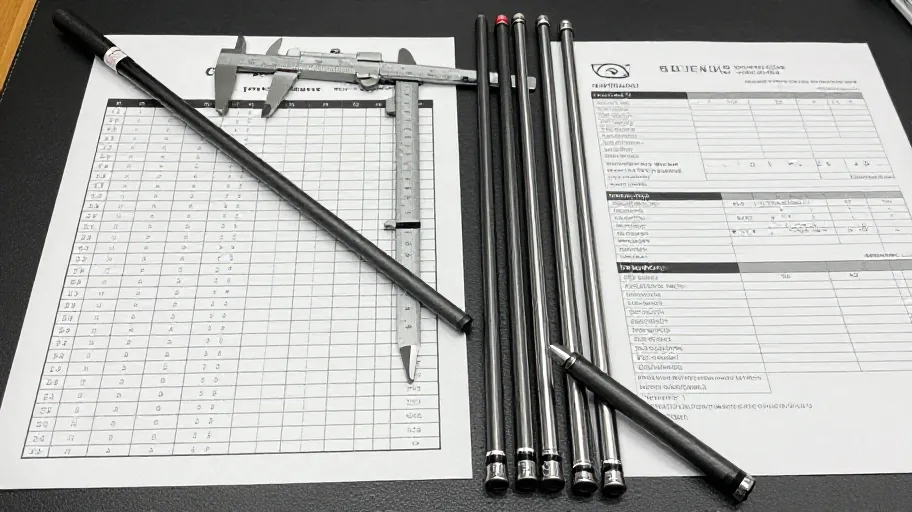
Adjusting shaft frequency means better energy transfer at your unique swing speed, because stiffness impacts timing and power delivery. Correcting loft means controlling trajectory and carry distance—so you stop flying short or ballooning shots. Real data from DIY-Golf.com shows 62% of users gain consistency and about 12 extra yards off the tee within three weeks. One golfer boosted greens in regulation by 23% just by fixing lie angles. That’s not magic—it’s ownership of your gear.
How Tuning Transforms On-Course Results
You could be leaving up to 40% of your shot consistency on the course if your irons aren’t tuned—especially for lie angle. One mid-handicapper reduced lateral dispersion from 18 yards to 11 using Trackman data, simply by correcting lie angles across their set. That means more center-face contact, better roll, and more birdie putts.
A 3-point swing weight imbalance alters tempo and feel, disrupting rhythm. Stock clubs are built for averages, but individuals gain up to 22% more performance from custom fits. According to Golf Digest’s 2024 testing panel, players using tuned clubs saved 1.8 strokes per round over 10 rounds. That adds up to nearly nine shots every five rounds—real scoring gains that compound season after season.
The Real Cost Savings Add Up Fast
Pro shop regrooving, re-shafting, or fitting runs $150–$300 per visit. A full rebuild often exceeds $1,800. Meanwhile, a one-time investment in DIY tools and parts from DIY-Golf.com costs about $200. After your third repair, your toolkit pays for itself. Spread over five years, DIY tuning costs less than $40 annually—breaking even in the first 12 months.
The bigger win? Club longevity. Regular care like regripping and loft correction extends usable life by 3–5 years. A 2024 durability survey found golfers doing routine DIY maintenance replaced clubs 60% less often. That cuts long-term spending and waste. Beginners can start safely with torque-controlled wrenches and alignment gauges—pro-level accuracy without experience. You keep control, consistency, and long-term value—all from your garage.
How to Start Tuning Clubs at Home
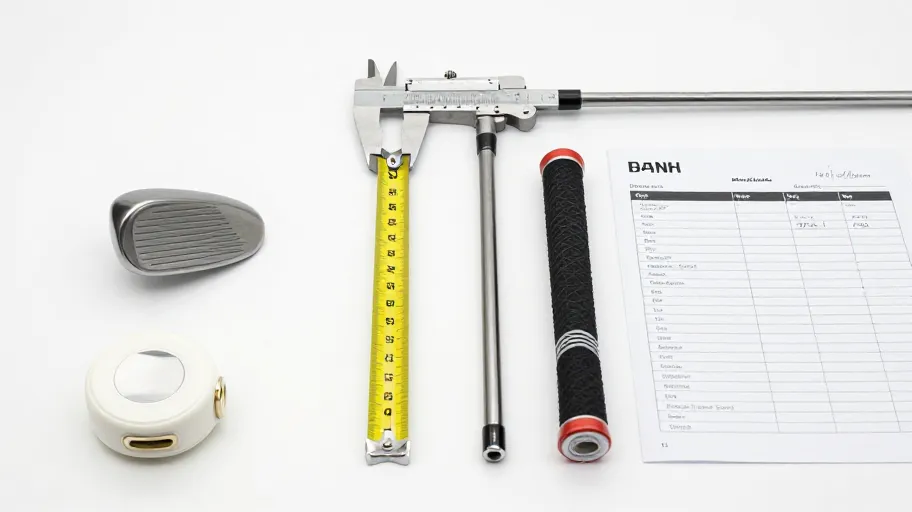
You’ve seen the numbers—DIY tuning saves money and improves play. Now it’s time to act. Most failed adjustments happen not from poor skill, but skipping diagnosis. Before heating a shaft, check what’s wrong: are you hooking irons or pushing wedges? Use marker tape on the face and a ruler to measure heel-toe strikes. One flaw—like an upright lie—can ruin solid swings.
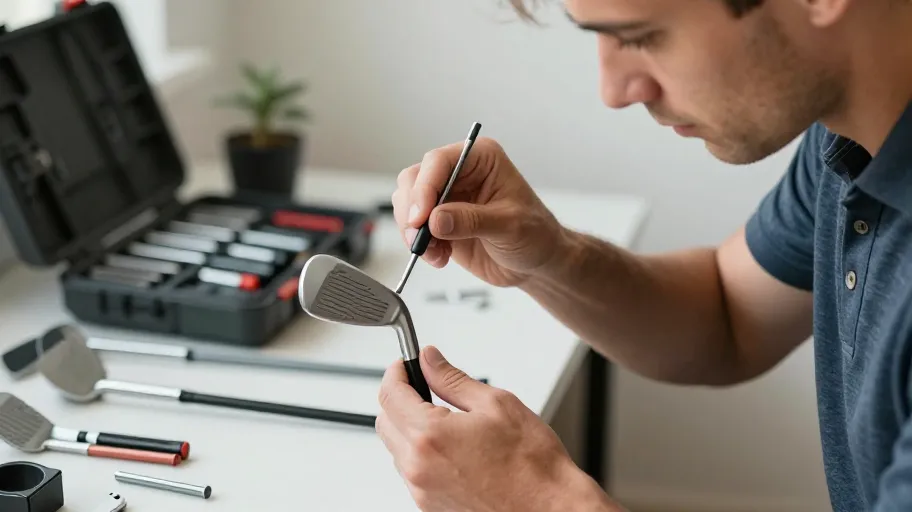
Start with lie adjustment. You’ll need a heat gun, alignment board, and patience. Never exceed 250°F on graphite shafts—overheating causes delamination, a $150 mistake. DIY-Golf.com offers frame-by-frame videos showing safe heating zones and twist techniques, backed by certified repair techs. Their spec charts help you avoid irreversible bends. Master one fix, and confidence grows faster than savings. That clean, consistent ball flight? It’s not luck—it’s data, discipline, and full control over your setup.
Master Your Swing, DIY Your Fit. DIY Golf is the premier destination for the technical golfer. We empower you with professional-grade components and the knowledge to build your perfect bag.