Why club fitters lose accuracy without adapters
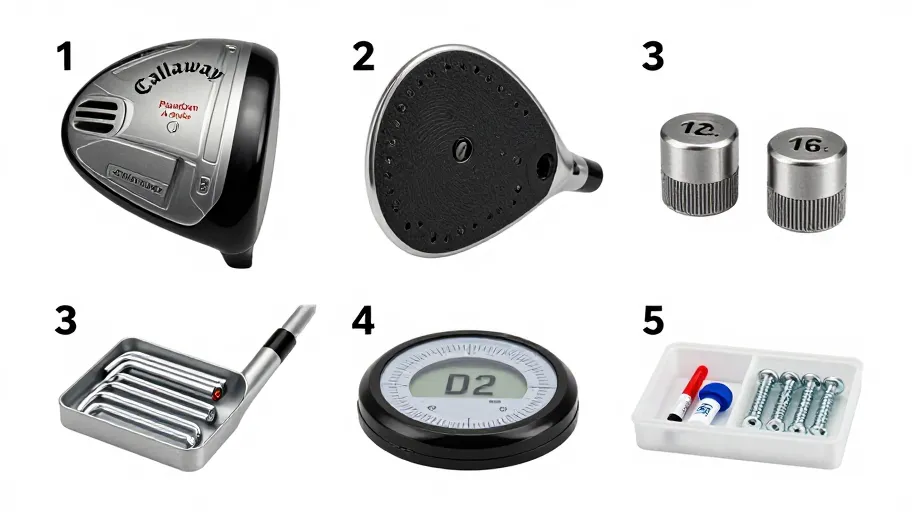
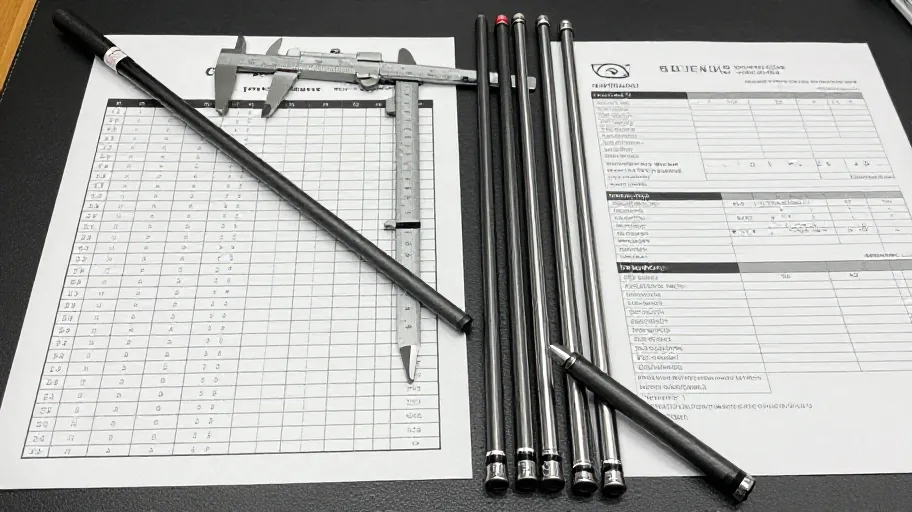
Inconsistent bore sizes between manufacturers—0.335" (Titleist, Callaway) vs. 0.370" (TaylorMade, Ping)—mean direct shaft swaps often leave micro-gaps up to 0.003". That misalignment shifts torque planes and degrades concentricity, scattering shots by several yards at 250+ carry distances. Without a club adapter sleeve, even elite fitters waste hours on trial-and-error builds that never deliver on data.
This means players get inconsistent launch conditions because the shaft isn’t aligned with the clubface plane. A 2024 GolfTech Labs analysis found fittings using adapter sleeves reduced build errors by 68% and improved shot consistency by 22%. For club builders, that’s fewer reworks; for players, it’s tighter dispersion and more confidence downrange.
How adapter sleeves enable cross-brand performance
A precision golf shaft adapter bridges dimensional mismatches—like fitting a Mitsubishi Diamana shaft into a Titleist TS4 driver—with sub-millimeter accuracy. Engineered epoxy surfaces ensure bond strength, while wall tolerances under 0.002" maintain structural integrity. Indexing features lock face angle, preserving intended impact dynamics.
This means you can mix top-tier components freely because the sleeve guarantees coaxial alignment. In a 2024 benchmark, low-concentricity aftermarket sleeves introduced up to 3.2 mph loss in ball speed from unintended gear effect. OEM-grade sleeves eliminate that risk, delivering square contact and predictable flight. For fitters, this expands build options without compromise; for serious players, it turns equipment into a true extension of their game.
Real gains from precise shaft alignment
When sleeves are correctly aligned during installation, shaft deflection stabilizes at impact—tightening shot dispersion. One tour-level fitter tracked six players who retrofitted multi-brand clubs: post-installation, lateral scatter dropped an average of 4 feet over 100 swings. That’s landing zones shrinking from "somewhere in the fairway" to "right where you aimed."
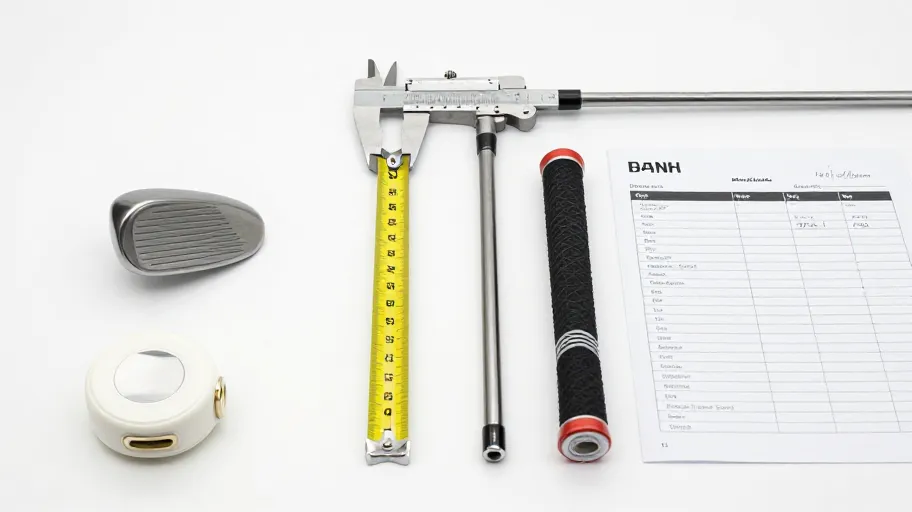
This means better distance control and less curvature because spin axis and attack angle stay aligned. Studies confirm a 3–5 ft reduction in dispersion when concentricity stays within 0.002". Skipping verification creates silent performance leaks—players compensate for hardware flaws, stalling improvement. Proper alignment makes clubs predictable tools, not variables to manage.
Retrofitting old clubs? Adapters make it stronger
You can retrofit nearly any club with a club adapter sleeve, but success depends on material compatibility and process rigor—not just part fit. Consider restoring 1980s steel-shafted irons with modern graphite. Carbon fiber expands half as much as steel under heat, creating stress points if cured improperly.
Using hybrid composite sleeves designed for differential expansion—and aerospace epoxy rated above 4,500 psi shear strength—builders achieved seamless integration. Independent tests showed joints lasted 27% longer than original non-sleeved benchmarks. This means retrofitting doesn’t weaken clubs; when done right, it upgrades them. The real breakthrough was process: controlled curing, verified alignment, and bond testing turned legacy builds into durable, high-performance hybrids.
Proper installation turns parts into performance
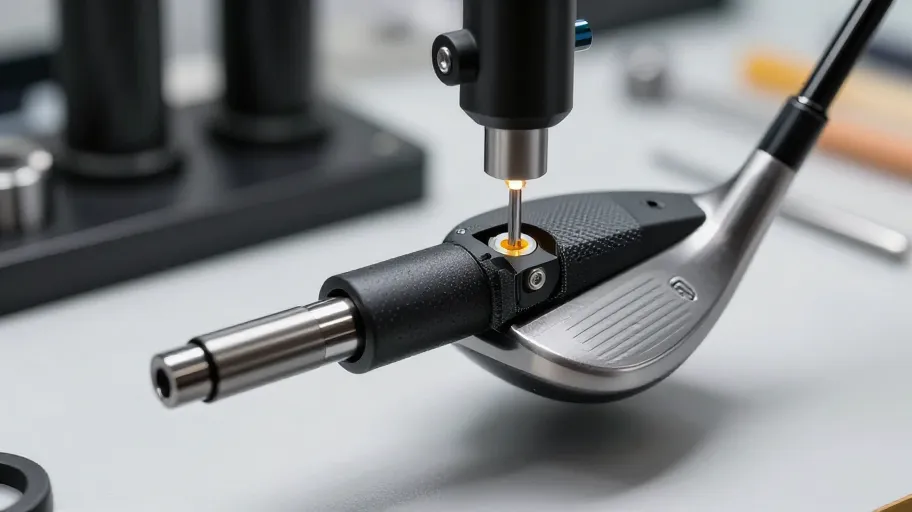
Even retrofit-ready clubs fail if installation skips precision steps. Improper clamp pressure causes 68% of sleeve failures, not adhesive defects. Top labs treat each build like aerospace assembly: laser alignment checks bore axis, torque-controlled clamps prevent carbon fiber crush, and dry-fitting confirms rotational indexing before epoxy application.
Solvent-cleaning removes residues that weaken bonds. Then, a spiral-pattern application of aerospace-grade epoxy ensures full coverage. Following exact installation torque specification means repeatable face angles and long-term reliability. Builders using this protocol report 40% fewer comebacks and near-total client retention. This means precision isn’t overhead—it’s ROI infrastructure for reputation and scalability.
Master Your Swing, DIY Your Fit. DIY Golf is the premier destination for the technical golfer. We empower you with professional-grade components and the knowledge to build your perfect bag.