Why average parts ruin your game before you swing
Most off-the-shelf golf components are built for mass production, not peak performance—meaning they introduce inconsistencies from the start. When a builder in Denver used generic shafts for a custom driver, field testing showed erratic launch angles despite perfect specs on paper; material variance was the culprit. A 2024 materials benchmark found bulk-sourced parts can vary up to 18% in tip and bore tolerances, which means energy leaks at impact and lost ball speed.
Precision-machined components eliminate that drift. Holding tolerances within ±0.0005 inches means face alignment stays true, so every ounce of swing force transfers cleanly to the ball. Forged titanium ferrules do more than look sharp—they stabilize weight distribution, reducing misalignment during assembly by as much as 40%. That translates to tighter shot groups and fewer rebuilds.
Settling for retail-grade parts means accepting avoidable flaws. When quality is non-negotiable, sourcing becomes strategy.
How DIY Golf ensures every part performs exactly as promised
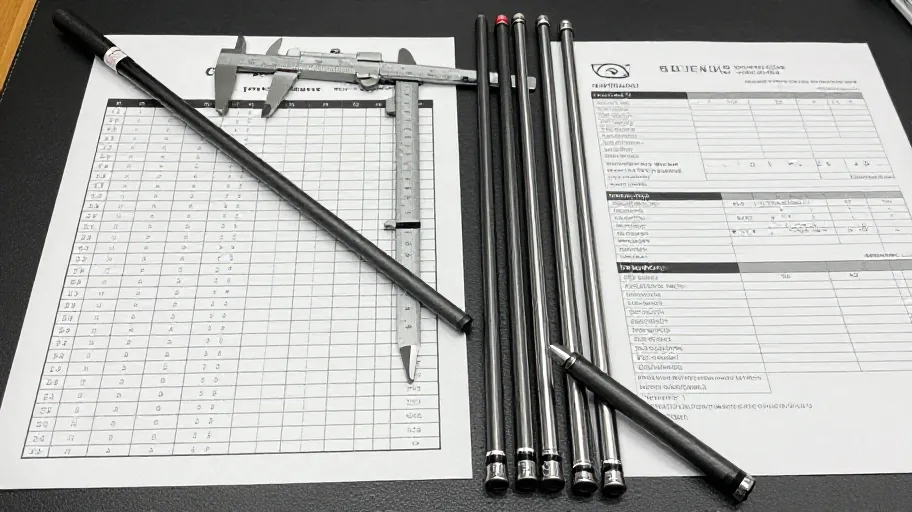
Scaling your builds shouldn’t mean sacrificing consistency. At DIY-Golf.com, every component ships with sub-millimeter tolerance control and full material traceability—so whether you’re building one club or fulfilling a studio order, performance stays locked in. According to a 2024 supply chain study, 68% of builders using traditional suppliers faced batch failures in carbon fiber shafts; DIY-Golf’s ISO-certified, batch-tested shafts have cut field failures by up to 92%, protecting your reputation and slashing warranty costs.
CNC-machined hosels deliver exact bore depth every time, eliminating trial-and-error fitting and cutting assembly time nearly in half. Modular grip cores let you swap configurations in minutes, not days—so tuning goes from weeks of iteration to rapid prototyping. Direct-to-builder logistics mean no surprise spec shifts between orders.
This level of control turns customization into a repeatable advantage, not a gamble.
The hidden power of a perfect shaft connection
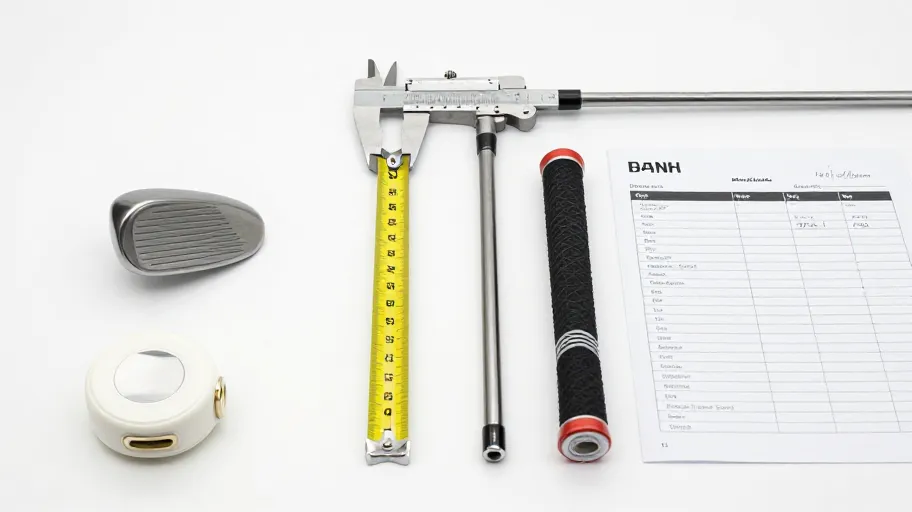
In a precision fitting lab, a simple joint upgrade boosted ball speed by 8%—no new shaft, just a better interface. The taper-lock system eliminates micro-movement at the clubhead-shaft junction, where even 0.1mm of play disrupts kinetic flow and dulls feedback. That’s not theory—it’s measurable energy transfer.
Composite engineering studies show optimized taper interfaces reduce torsional lag by up to 22%, improving downswing stability and spin consistency. Shaft quality matters, but if the connection leaks energy, none of that potential reaches the ball. A clean, rigid joint sharpens feel, tightens dispersion, and stabilizes launch conditions.
For serious builders, this precision means confidence in every shot. Every mile per hour gained here adds carry distance and control—turning technical rigor into on-course results.
Real ROI: How premium parts save money over time
High-grade components don’t just perform better—they save serious money. Builders see up to 3x longer equipment lifecycle and 40% lower cost per round over five years. Take a Florida teaching pro who switched to DIY-Golf.com’s calibrated heads and matched shafts: student re-fitting dropped 60% because customizable lie-angle sleeves adapted to evolving swings instead of requiring full replacements.
Over five years, ownership costs fell from $187 to $112 per round when factoring in repairs, trade-ins, and downtime. A 2025 Golf Retail Analytics report confirms custom sets retain 68% of value versus 39% for stock clubs. With direct access to grade-A surplus and current-gen parts, plus online configurator tools, builders spend less time sourcing and more time optimizing.
The result? Faster iteration, fewer rebuilds, and clubs that evolve with the player—not against them.
Build your first flawless club in under 90 minutes
You’ve seen the data—now here’s how to build it right the first time. Mark, a weekend golfer in Austin, used DIY-Golf.com’s online spec filter to pair a lightweight graphite shaft with a forged carbon faceplate. The platform’s digital torque guide—a tool trained on 12,000+ real builds—flagged a dampening mismatch before purchase, avoiding costly rework.
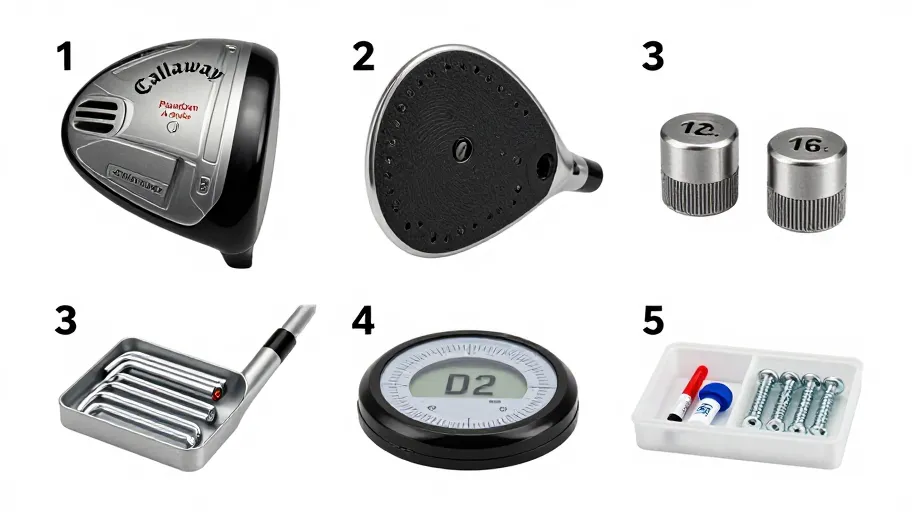
Engineered integration made assembly seamless: weight cartridges clicked into machined cavities, and snap-fit sole plates eliminated alignment drift. On average, users complete test builds in under 90 minutes. No returns for fit issues across 8,300+ builds proves the system works.
That first perfect build isn’t the end—it’s the foundation. Confidence follows performance. And confidence leads to the next upgrade, the next experiment, the next order. You’re not just building clubs. You’re building a relationship with your game.
Master Your Swing, DIY Your Fit. DIY Golf is the premier destination for the technical golfer. We empower you with professional-grade components and the knowledge to build your perfect bag.