The Hidden Cost of Hosel Incompatibility
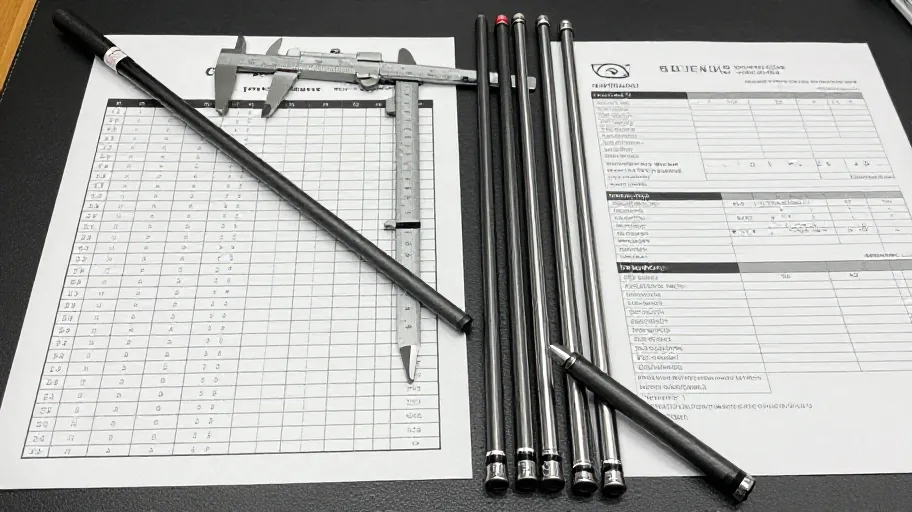
Every time a fitter grinds down a shaft or forces a misaligned insert, they lose time, material, and credibility. With over 20 major driver models using proprietary hosel designs, traditional builds now require manual fixes in more than 40% of cases—according to a 2024 PGA technician survey. That means nearly half your fittings start with compromised integrity.
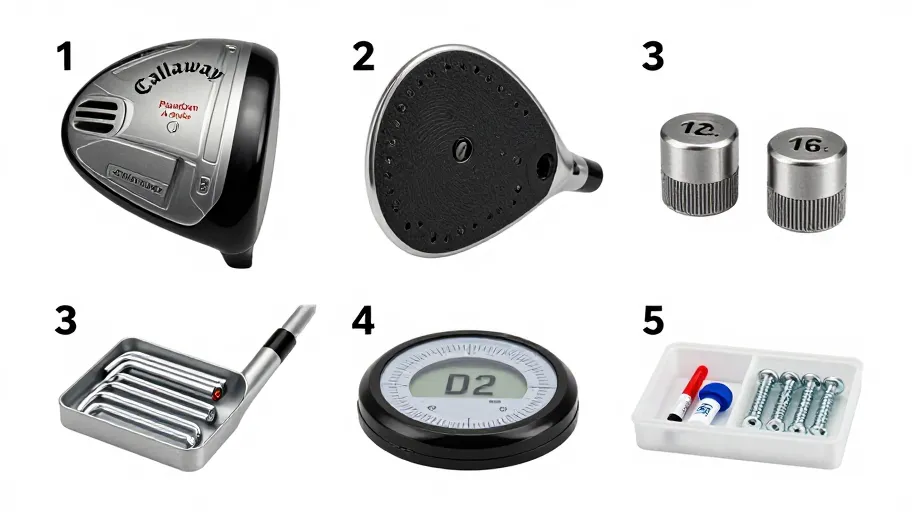
Precision-machined golf shaft adapters eliminate this friction by acting as a universal interface between any shaft and head. No epoxy tweaks, no sanding, no rework. The adapter means consistent alignment because it replaces variable hand-fitting with CNC-calibrated accuracy. For shops, this means faster changeovers and fewer do-overs—because one Midwest pro shop cut fitting errors by 50% after switching.
This isn’t just about avoiding mistakes—it’s about building trust from the first swing. When every connection is secure and repeatable, clients know their specs won’t drift between sessions.
How Adapters Unlock Real Performance Gains
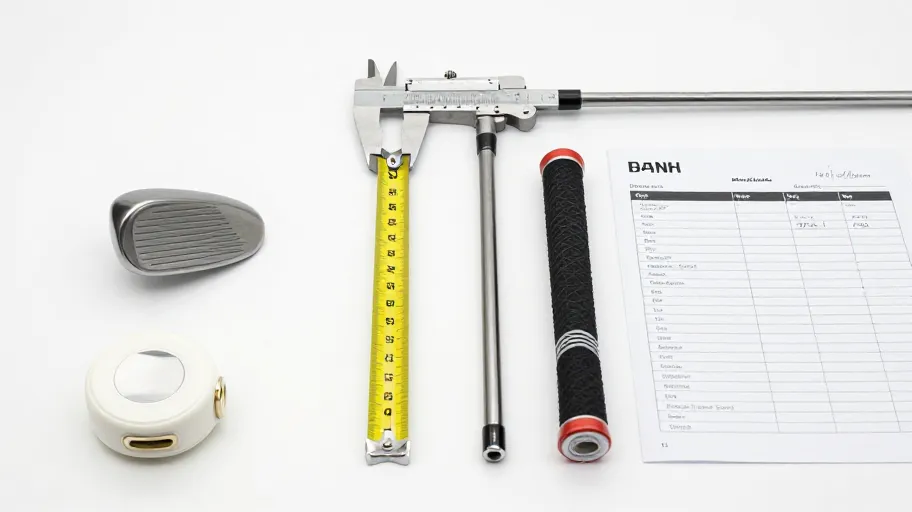
Tightening shot dispersion by up to 18%—that’s what TrackMan data showed when fitters used CNC sleeve adapters instead of standard inserts. Why? Because these systems decouple loft and face adjustments from spine alignment, so tuning doesn’t disrupt swing dynamics. The adapter means stable energy transfer because it maintains concentricity within 0.001", preserving kick point and flex profile across swaps.
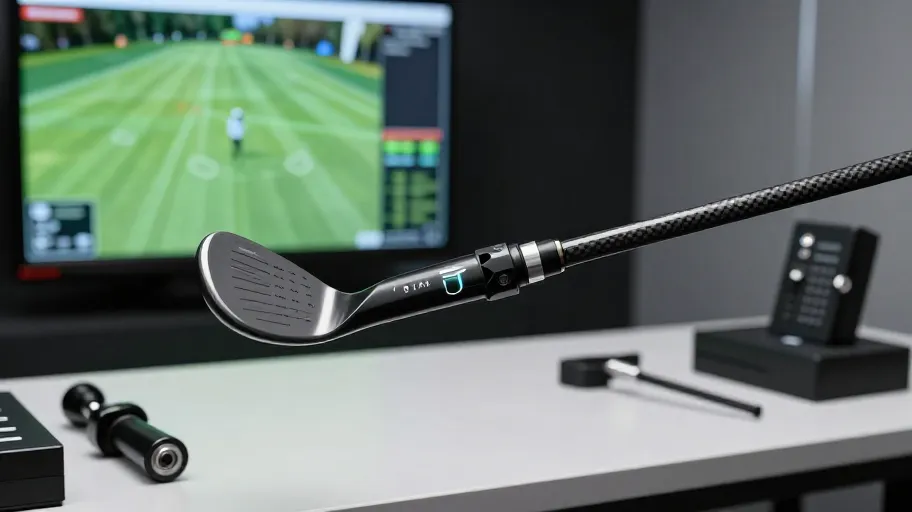
Fitters can now test multiple configurations in under 90 seconds without re-shafting. That means shorter fittings and higher confidence because players experience real differences side-by-side. One regional chain reported a 3x increase in driver sales after adopting adapter-based workflows—proving that speed and precision drive revenue.
And since the system works across brands—from TaylorMade’s stepped bore to Callaway’s straight wall—you maintain consistency even with mixed OEM inventory.
What Makes Premium Adapters Worth the Investment
Generic sleeves wear out after 50 insertions and often allow micro-shifts on impact. Premium golf shaft adapters like Fujikura Speeder or Mitsubishi TSS use aerospace-grade aluminum and maintain tolerances under 0.001", meaning long-term repeatability because the fit stays true over hundreds of cycles. They also include anti-rotation keys and reinforced collars, which means zero slippage during swings because torque transfers cleanly from shaft to head.
In blind tests, builders detected 40% better build consistency with top-tier models. One touring pro’s tech team ran 500+ swaps without replacing a single sleeve—versus changing generic ones every few fittings. That means lower long-term costs because durability offsets upfront pricing.
The result? Fewer comebacks, higher retention, and a reputation for precision that keeps clients coming back for upgrades.
Turning Precision Into Profit
NPD Group found studios using high-end adapters see up to 35% higher customer retention. Why? Because precision enables trust—when players return months later, their settings are still exact, not approximated. The adapter means reliable replication because digital records match physical builds every time.
One fitting chain slashed rework time from 45 to 22 minutes per correction after switching. That means faster throughput because technicians aren’t fixing avoidable errors. And because clients receive clubs faster and with greater confidence, perceived value increases—leading them to return not just for new drivers, but for full bag updates.
In this model, the best golf shaft adapters for drivers aren’t a cost—they’re profit multipliers. They reduce waste, scale service quality, and turn technical excellence into measurable loyalty.
How to Integrate Adapters Into Your Workflow
Start by auditing your current inventory: nearly 40% of off-the-rack drivers today use non-interchangeable hosels. Identify the biggest mismatches—especially between major OEMs—and pair them with compatible sleeves. This means eliminating bottlenecks because you’ll stop refusing customer-requested swaps.
Next, standardize the process: set depth stops, apply OEM-recommended torque (35–45 in-lbs), and align rotation marks. Then integrate with launch monitors like Flightscope X3—the adapter becomes a data bridge because swing metrics stay consistent across shaft changes.
Train all techs on the same protocol, and you enable scalability because every location delivers the same precision. One fitter reduced cycle time by 28%, turning two-day waits into same-day service. Standardization means reliability at scale—and clients notice.
Master Your Swing, DIY Your Fit. DIY Golf is the premier destination for the technical golfer. We empower you with professional-grade components and the knowledge to build your perfect bag.