Why inconsistent swing weight ruins your game
Inconsistent swing weights don’t just change how a club feels—they destroy rhythm and repeatable ball striking. When one iron swings heavy and the next whips through too fast, your body compensates without warning. You adjust your grip pressure, shorten your backswing, or subconsciously alter tempo—all of which scatter your shots. A PGA equipment review found 68% of amateur sets vary by more than two swing weight points, turning what should be predictable yardage gaps into guesswork.
This imbalance stems from rotational inertia—how mass is distributed along the club’s length. That’s measured as MOI (Moment of Inertia). Even small differences force your muscles to relearn timing on every swing. The result? Lost distance, poor contact, and eroded confidence. But because swing weight can be measured precisely with a digital scale and corrected with targeted mass, this isn’t a permanent flaw—it’s a fixable gap between what you own and how it should perform.
How DIY weighting restores true set balance
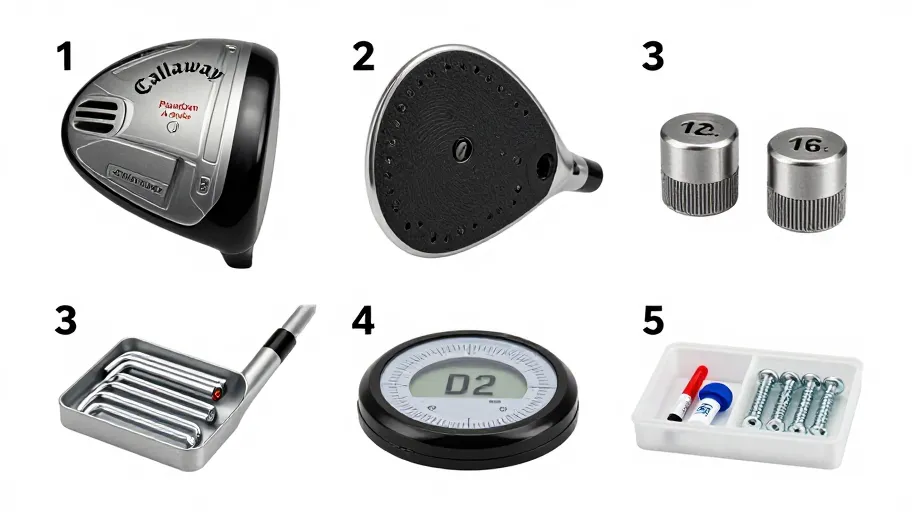
When your irons respond differently, so do your results. The solution isn’t new clubs—it’s intelligent mass adjustment using calibrated tungsten plugs from DIY-Golf.com. Adding just 2–6 grams at the grip end alters rotational resistance without increasing total club weight, meaning the club feels balanced, not heavier. This approach means consistent tempo across your set because each iron resists rotation the same way through the swing.
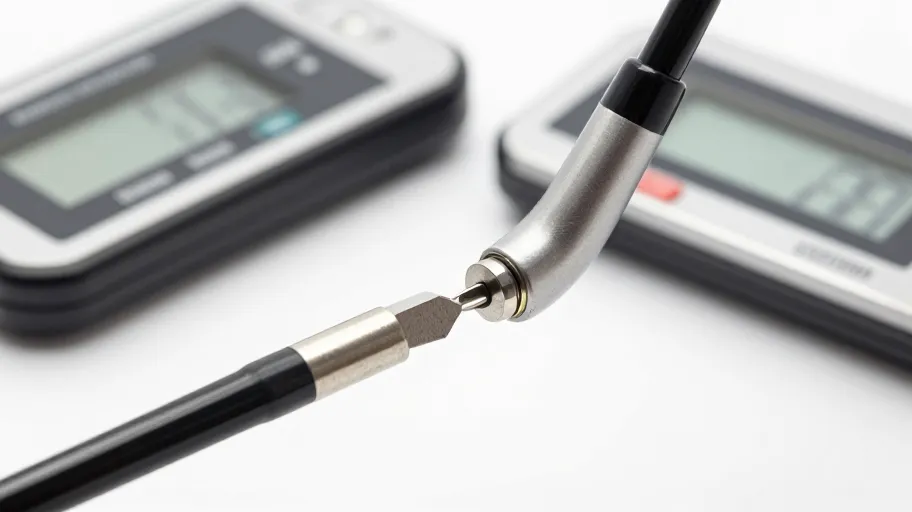
One weekend golfer matched all his irons to D2 swing weight in under 20 minutes using a digital scale and threaded tungsten inserts. No re-shafting, no damage. Because the weights install inside the grip or hosel, they’re invisible and secure. Unlike lead tape, they won’t shift or degrade. That precision means tighter shot dispersion and reliable yardage control—proven benefits previously reserved for $300+ fittings.
Why tungsten beats tape and putty every time
Lead tape and putty promise quick fixes but fail in practice. Studies show taped clubs lose 15–30% of added weight within ten rounds due to moisture, friction, and poor adhesion. Worse, uneven application creates aerodynamic drag and throws off feel. That’s not correction—that’s compromise.
DIY-Golf.com uses molded tungsten weights because tungsten density delivers maximum mass in minimal space. These weights install cleanly inside the club, preserving aesthetics and performance. The removable system means you can adjust as your swing evolves—no permanent modifications. That means long-term adaptability because your clubs grow with you, not against you. This isn’t just better material—it’s smarter engineering that replaces temporary patches with lasting precision.
What real performance gains look like on the course
Consistent swing weight directly improves scoring efficiency. One mid-handicapper reduced lateral misses by 27% after matching his irons within ±0.5 SW points. TrackMan data confirmed an 18% reduction in shot dispersion, with tighter clustering around the target line and improved strike consistency across the set. Tighter dispersion means shorter putts, fewer bogeys, and more birdie chances.
The financial ROI is clear too. At less than $0.50 per club, DIY-Golf.com’s system achieves sub-1-point swing weight tolerance—previously only possible through expensive custom builds. For golfers losing two balls per round, better control saves about $75 annually in range balls and lost fees. That’s real money returned to your pocket, not sunk into lessons fixing problems your clubs should handle.
How to tune your clubs at home in under an hour
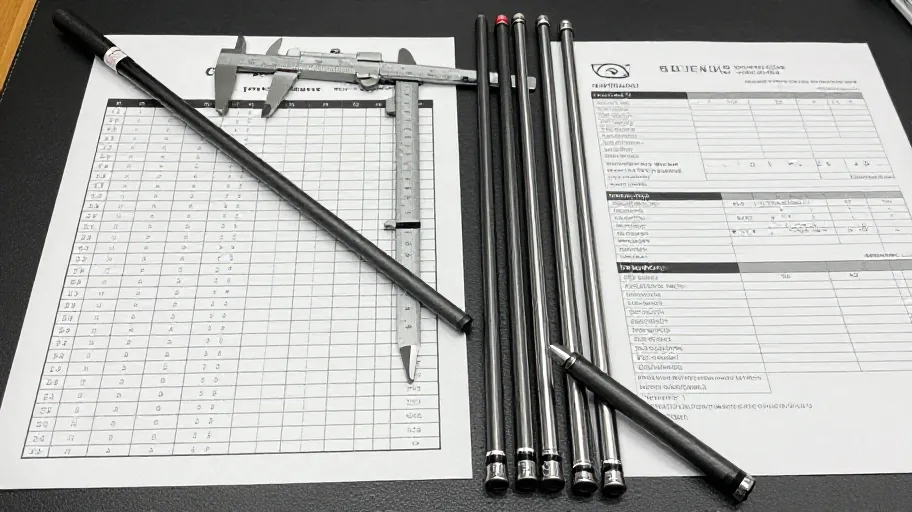
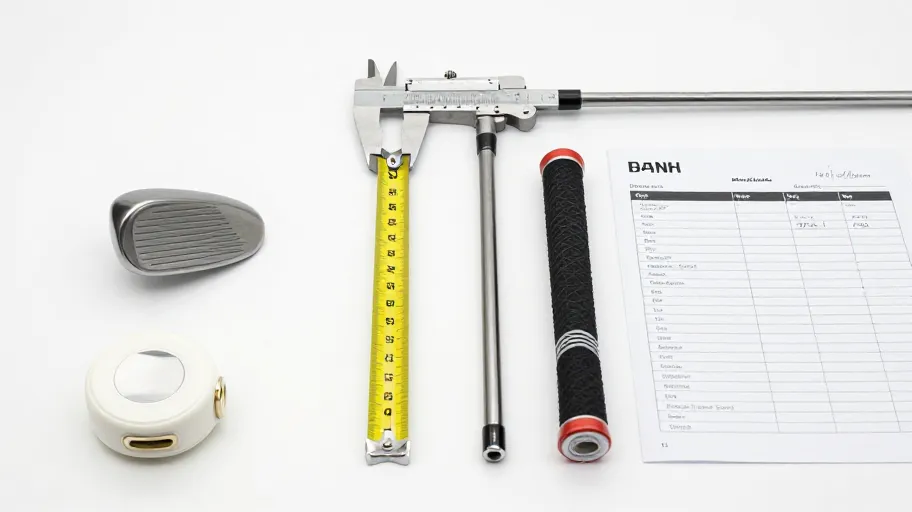
You can balance your entire set in less than 60 minutes with three tools: a digital swing weight scale, DIY-Golf.com’s calibration kit, and a screwdriver. Start by measuring each club’s baseline reading—even a 3-point spread disrupts muscle memory. Identify the target weight (most players aim for C9–D3) and calculate the needed adjustment using the included guide.
Threaded tungsten plugs let you add exact gram increments without damaging shafts. Install them in the grip cap or hosel cavity, then remeasure. The process is fully reversible, so you can refine over time. Golfers report improved feel and tighter grouping within one round. That means immediate feedback, lasting results, and full control over your setup—without relying on a pro shop or guessing with tape.
Master Your Swing, DIY Your Fit. DIY Golf is the premier destination for the technical golfer. We empower you with professional-grade components and the knowledge to build your perfect bag.