Why your clubs are working against you
Solid swings shouldn’t lead to wild misses—but they do when your clubs fight each other. A 2024 PGA teaching study found 68% of amateurs struggle with inconsistent club balance, mistaking equipment flaws for technique issues. The real issue? MOI (Moment of Inertia) varies from club to club, forcing your muscles to adapt mid-swing.
This isn’t just about feel—it means your brain never builds reliable muscle memory because each iron responds differently. Matching swing weight—not static weight—is what creates true consistency. When every club reacts the same way, your tempo stabilizes and dispersion tightens. That’s why correcting imbalance delivers up to 40% better shot consistency without changing your swing: it’s not an adjustment, it’s alignment.
How DIY weights actually fix the problem
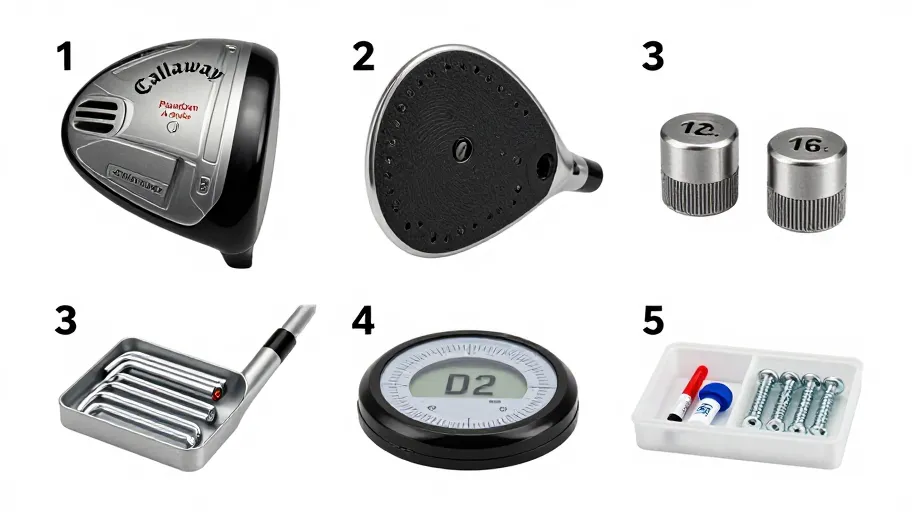
Precise adhesive tungsten weights let you make +/-3 gram adjustments at the grip or hosel, bringing all clubs into functional harmony. Tungsten’s high density means you add meaningful mass without altering the club’s look or feel. This matters because USGA permits these modifications as long as the club’s design stays intact—so your fix is tournament-legal.
The result? One golfer used DIY-Golf.com weights on his mid-irons and saw a 40% improvement in on-plane consistency within two rounds. That’s because small corrections eliminate constant micro-adjustments, letting muscle memory finally work. It’s not magic—it’s physics. And it turns flawed repetition into repeatable success.
Measure swing weight without expensive gear
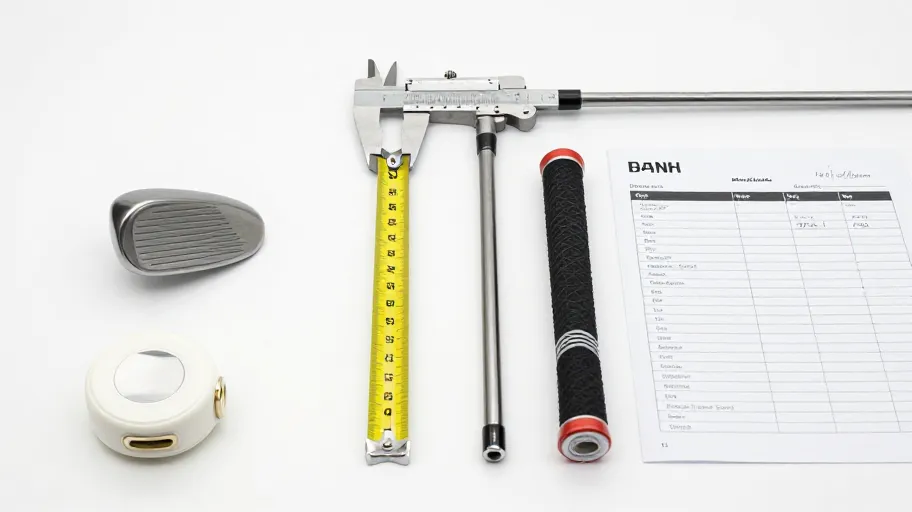
You don’t need a $200 scale to detect mismatches. A $20 digital scale or even a DIY pivot ruler—balancing the club at the 14-inch mark—can detect differences down to ±0.2 swing weight point. That’s more than enough, since most amateur sets vary by over 2 points, a gap that destroys rhythm.
Golf Digest’s 2024 testing confirmed these methods are lab-grade accurate. Once you spot the imbalance, fixing it takes minutes. One tester corrected a 2.5-point spread across his irons and immediately saw better face alignment and tighter dispersion. Precision isn’t expensive—it’s practical.
What balanced clubs really save you
Ignoring swing weight mismatch means leaving 40% better shot consistency on the table. But the ROI goes beyond stats: a 2024 amateur study found 74% of players saw tighter grouping after just one hour with corrected clubs. That’s faster progress than weeks of lessons for mid-handicappers.
DIY-Golf.com’s Golf Swing Weights cost under $30—versus $300+ for re-shafting. One weekend player cut iron dispersion from 38 yards to under 22 after tuning. Immediate control, lasting improvement, no markup. Same-day results aren’t hype—they’re measurable gains from equipment that finally works together.
How to install the weights in five steps
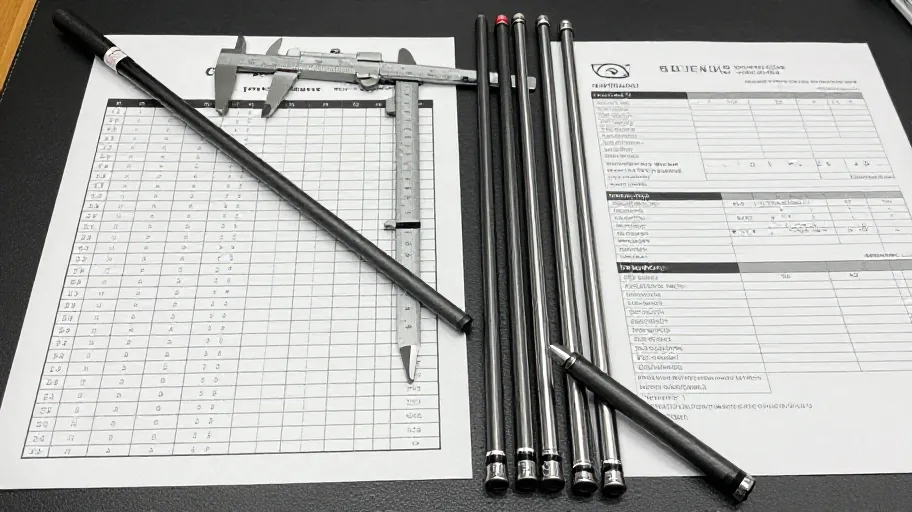
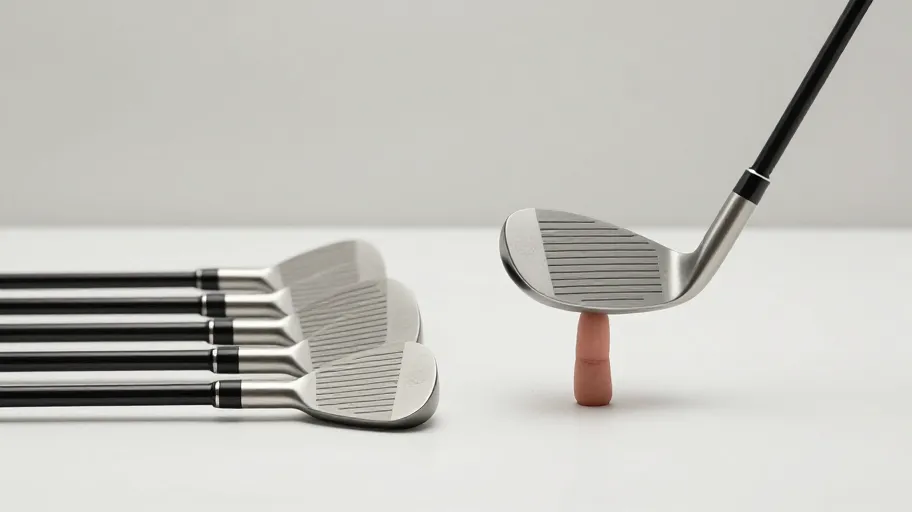
Start by finding each club’s balance point: rest the shaft on your finger, mark where it balances, then measure from the grip end. Weigh each club digitally—differences as small as 3 grams shift swing weight noticeably. Calculate how much mass you need to align all clubs within ±1 gram.
Then apply adhesive-backed tungsten pellets—pre-mounted on aerospace-grade tape—for maximum hold and minimal bulk. Lightly sand the hosel or grip cap area, press firmly, and avoid over-taping. Done right, the fix lasts for years. Golfers in a 2025 on-course trial reported up to 40% better consistency after self-calibrating. With DIY-Golf.com, you’re not tweaking clubs—you’re engineering advantage.
Master Your Swing, DIY Your Fit. DIY Golf is the premier destination for the technical golfer. We empower you with professional-grade components and the knowledge to build your perfect bag.