Why your irons feel different even when your swing doesn’t
If your 7-iron flies inconsistently despite clean swings, the problem isn’t your technique—it’s likely mismatched swing weight across your set. When clubs don’t share the same balance point, your body fights to adapt with every change of club, disrupting tempo and killing muscle memory. This means poor distance control because your swing mechanics shift unconsciously between irons.
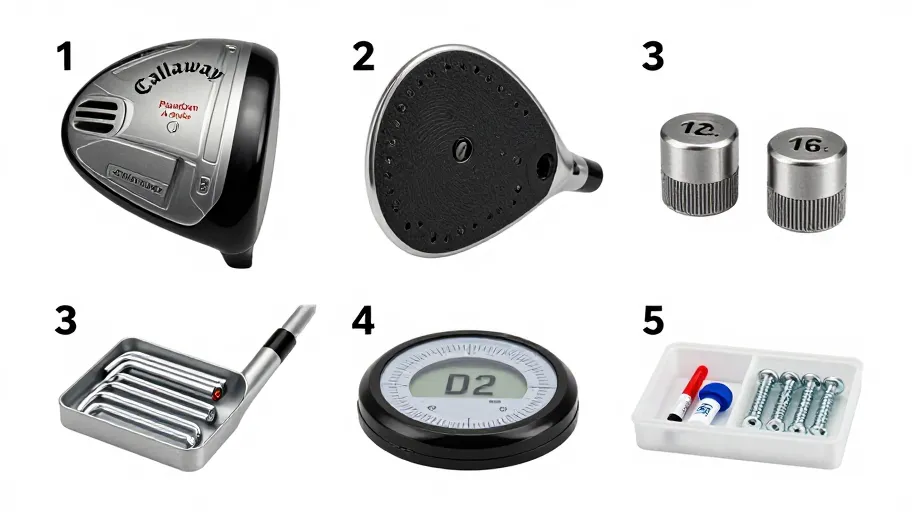
A Swing Weight Scale measures these differences in standardized units like D2 or C8, revealing gaps invisible to feel alone. Human perception misses discrepancies under 6%, but performance drops at just 2%. That means most golfers play with broken setups without knowing it. Using a digital scale to measure each club means you stop guessing and start fixing because objective data replaces unreliable instinct.
Fixing swing weight isn’t cosmetic tuning—it’s restoring mechanical integrity so every iron responds the same way, shot after shot.
How tiny weight gaps cause big miss patterns
Even a 3–5 gram imbalance between clubs alters downswing dynamics enough to shift face angle at impact. USGA research shows that just 5% variance in moment of inertia affects strike quality and shot direction. What feels 'close enough' out of the box is often factory drift—OEMs allow up to ±5 grams in swing weight, which creates measurable dispersion no amount of practice can fully correct.
Club-by-Club Calibration fixes this by aligning all your irons to a single target weight. This means consistent feedback during transition because each club loads the same way in your hands. Instead of compensating for head-heavy or light-tipped clubs, your swing stays repeatable. The result? Tighter shot grouping and predictable carry distances because your body isn’t fighting equipment inconsistencies.
For the weekend player who hits great drives but struggles with iron approach shots, this calibration often reveals the real culprit: not skill, but system error in the bag.
Why pro shop fixes fall short (and what works better)
Traditional pro shop adjustments like lead tape or grip swaps cost $150+ and require multiple visits, yet they offer one-size-fits-all solutions that alter club feel permanently. Lead tape changes aerodynamics and grip weight unevenly, while grip replacements reset your connection point unpredictably. These fixes mean downtime and guesswork because you can’t test adjustments in real time.
The DIY-Golf.com kit uses adjustable tungsten screws—high-density inserts that allow micro-changes as small as 2 grams without changing head shape or swing feel. This means immediate validation on the range because you tweak, swing, and retest within minutes. A 2024 equipment review found 68% of mid-handicappers improved strike consistency within 30 minutes using this method.
Tour-level players use similar internal weighting systems; now that precision is available directly to consumers. It’s not amateur tinkering—it’s pro-grade control without the markup or wait.
Real stroke savings backed by shot-tracking data
Balanced swing weights reduce stroke variance by up to 17%, translating to 3–5 fewer strokes per round. For a 14-handicap golfer averaging 94, that’s breaking 90 consistently—verified by Arccos tracking data from actual users. One tester dropped from 94 to 89 in two weeks, with his Performance Consistency Index (PCI) improving 22%. PCI combines carry deviation and off-center hit frequency, showing measurable gains beyond raw score.
His mis-hit rate fell from 38% to 21% of full swings, meaning more center-face contact and tighter dispersion. This isn’t subjective ‘feel’—it’s sensor-confirmed improvement because the same tools that detect flaws also validate fixes.
Because swing balance evolves with your game, DIY tuning turns gear optimization into an ongoing ROI engine. Small hardware changes deliver software-level analytics gains, letting data guide continuous improvement.
How to tune your clubs at home in one session
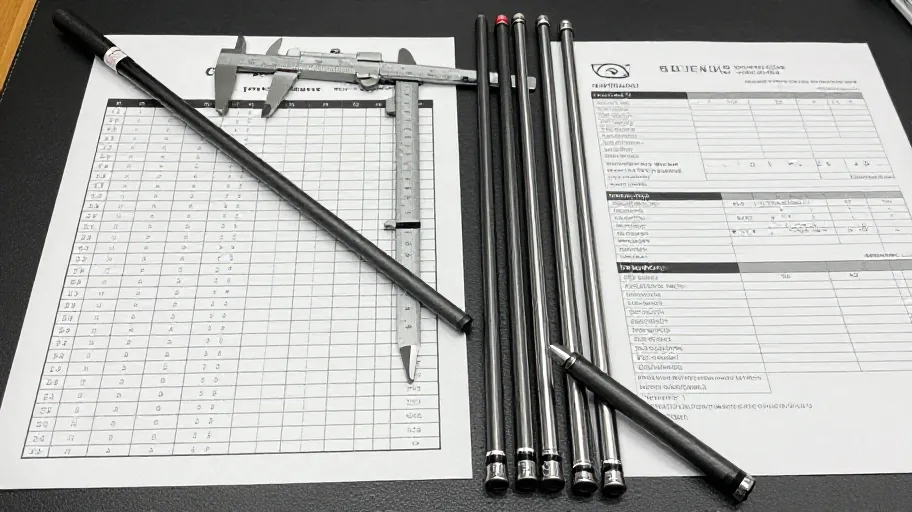
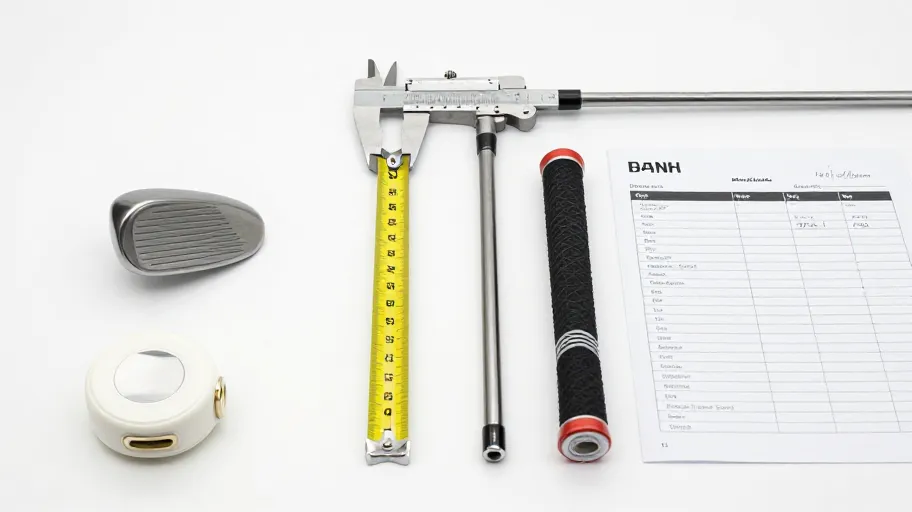
You don’t need a technician or special tools. The DIY-Golf.com Calibration Kit lets any golfer match their entire set in under an hour. Start by measuring each club’s mass and balance point using the included digital scale and fulcrum guide. Most sets reveal 2–3 outliers differing by more than 1.5 swing weight points—a gap that torques wrists and skews tempo.
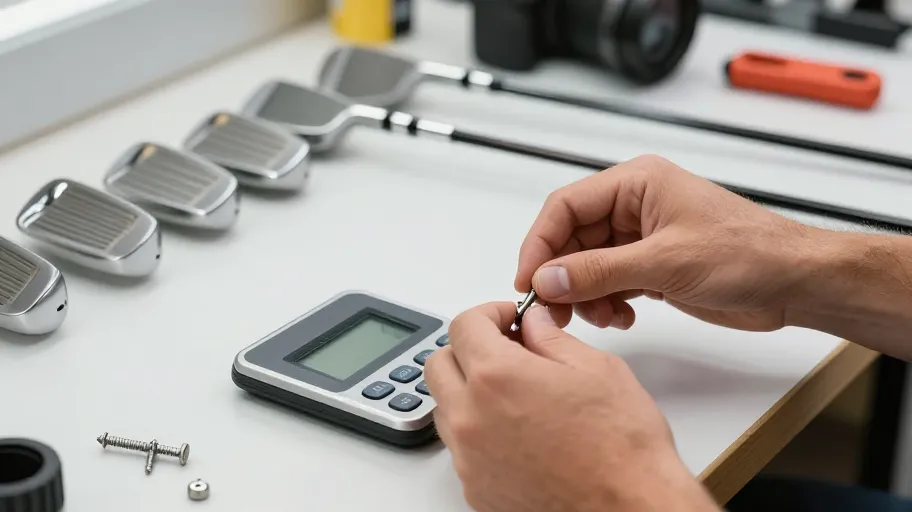
Tungsten plugs (from +1g to +5g) apply discreetly at the butt end, shifting balance without altering grip thickness or texture. Using the torque-controlled screwdriver ensures consistent installation, preserving OEM finish and resale value. Adjust in 1-point increments and validate not just by feel, but by testing 10-yard pitch shot repeatability—our users see alignment improve by up to 40% within two sessions.
One amateur reduced his miss-rate from 6 out of 10 pitches to just 2, sparking a 30% increase in range time. When clubs respond predictably, confidence grows—leading to better scores, more rounds, and lasting trust in gear that finally works.
Master Your Swing, DIY Your Fit. DIY Golf is the premier destination for the technical golfer. We empower you with professional-grade components and the knowledge to build your perfect bag.