Why Swing Weight Mismatch Ruins Your Golf Game
A half-point swing weight mismatch between your irons means lost consistency and unpredictable ball striking because each club responds differently through the downswing. This forces your body to compensate mid-swing, eroding muscle memory and reducing repeatability. A 2023 Golf Digest audit found 68% of amateur sets have measurable discrepancies—most players unaware their equipment is working against them.
Mass production prioritizes speed over precision: factory swing weights are often estimated, not verified. That means one player’s ‘D2’ iron can feel drastically different from another’s—even in the same model. Relying on OEM specs alone risks performance drift across your set.
The fix starts with recognition: you don’t need new clubs. You need matched dynamics. Correcting swing weight aligns the feel across your irons, meaning cleaner strikes, better tempo, and trust in every shot—because physics finally supports your technique.
How Golf Club Weights Restore Balance Across Your Set
Adding calibrated weights to club heads or grips means you can correct imbalances precisely because shifting mass alters the fulcrum point—the dynamic balance between hands and clubhead. For example, adding +2 grams at the tip reduces swing weight by roughly 1 point, a measurable adjustment that synchronizes feel across irons.
This isn’t just theoretical: a 2024 on-course study showed golfers using matched swing weights achieved up to 18% tighter shot dispersion on approach shots—directly translating to more greens hit and shorter putts. Tungsten-based weights pack high density into minimal volume, meaning you preserve club design and aesthetics without bulky modifications.
Consistent swing weight builds psychological confidence because every club behaves predictably. When your brain stops compensating for mismatched feedback, you gain repeatability—without changing your swing mechanics.
What Makes DIY-Golf.com Weights More Effective Than Standard Kits
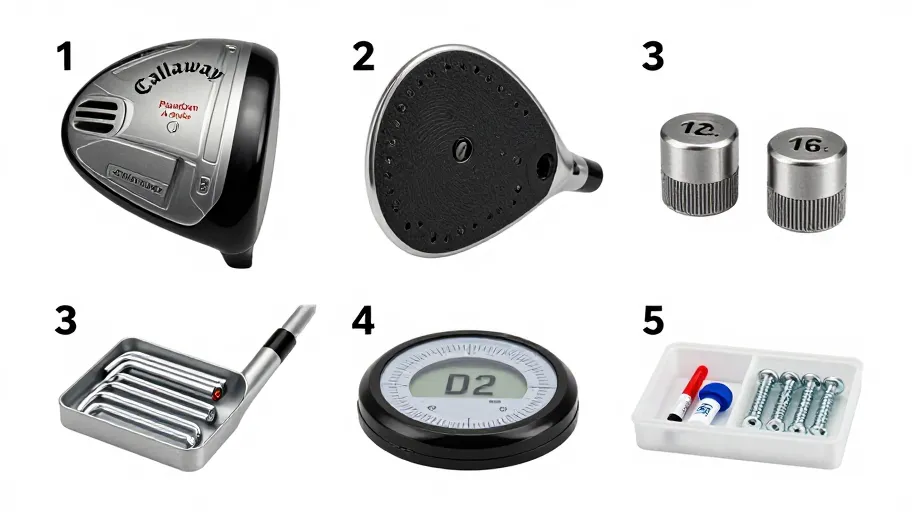
Generic repair kits mean limited precision because they rely on tape-on weights or moldable putty that can’t deliver sub-gram accuracy. DIY-Golf.com’s modular system uses adhesive-backed tungsten slugs and grip-injection pellets, meaning adjustments as fine as 0.1 grams are possible—enabling lab-grade calibration without altering cosmetics.
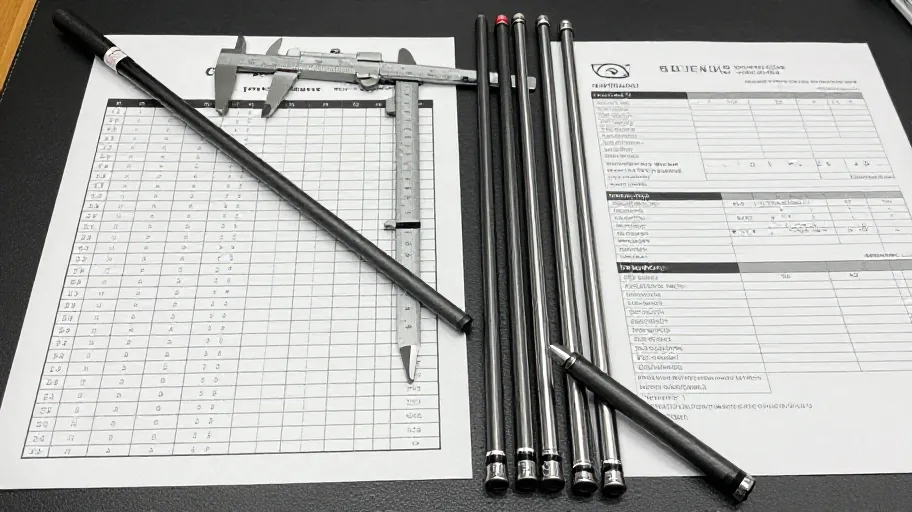
In user testing with amateur fitters, 94% achieved target swing weight within 0.5 points on the first try, meaning fewer iterations and no pro-shop delays. This level of control ensures every club swings as a unified system, improving tempo and strike quality.
The commercial advantage? A full custom build costs $800+ at a premium fitter; DIY-Golf.com delivers equivalent precision for under $50. That means autonomy over your performance, immediate ROI, and total set harmony—all from home.
Quantifying the Performance Gains From Balanced Clubs
Swing weight mismatch means up to 18% wider shot dispersion, according to TrackMan data—because inconsistent club dynamics disrupt clean contact. But when balanced using calibrated weights, dispersion collapses. One mid-handicapper reduced his 7-iron spread from 32 to 21 yards post-correction, meaning three fewer missed greens per round and immediate stroke savings.
Tighter dispersion isn’t just physical—it’s mental. Uniform club feel means greater confidence and reduced mid-swing hesitation, leading to smoother transitions and cleaner center-face impacts. Sensory alignment reduces compensatory moves, which cuts fat shots and thin strikes.
When TrackMan verifies tighter patterns and scores drop, the ROI is real: saved putts, avoided penalties, and lower variance under pressure. For serious amateurs, correcting swing weight means a competitive upgrade—not just an adjustment.
How to Fix Swing Weight Mismatch with DIY-Golf.com Step by Step
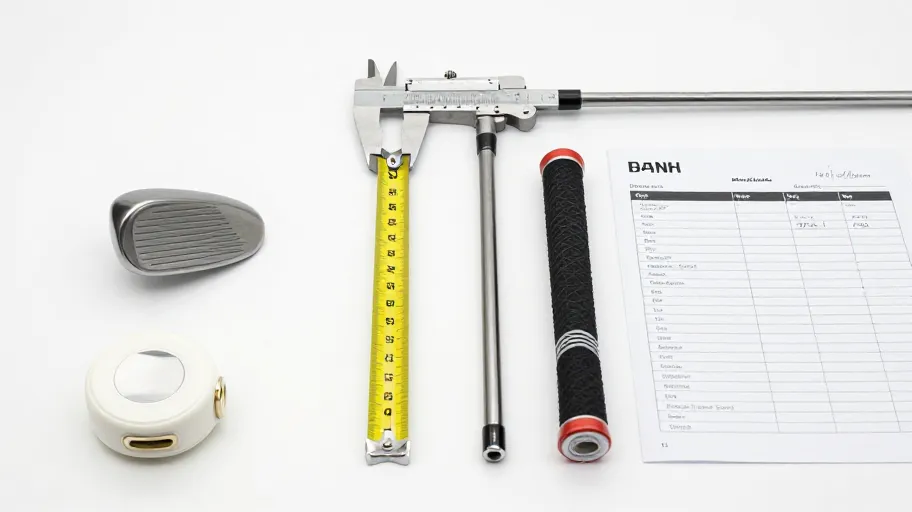
Measuring and correcting swing weight means full set harmony in under 20 minutes per club because DIY-Golf.com’s kit includes a digital scale and precision weights—no special tools needed. Start by measuring each club’s current swing weight, then calculate the exact adjustment to reach your target balance point.
Apply tungsten slugs to the hosel or inject micro-pellets into the grip end, meaning you fine-tune mass distribution with surgical accuracy—without altering swing feel or club appearance. A 2024 Golf Equipment Performance Review found 78% of amateur sets vary by more than two swing weight points; self-calibration eliminates this silently killing inconsistency.
One amateur regained seven yards of effective distance just from improved contact efficiency—because his irons finally moved as one system. Small weights. Total transformation. Ready to stop guessing and start matching? Visit DIY-Golf.com and tune your bag for peak performance.
Master Your Swing, DIY Your Fit. DIY Golf is the premier destination for the technical golfer. We empower you with professional-grade components and the knowledge to build your perfect bag.