Why Swing Weight Mismatch Kills Your Game
Silent but deadly—that’s what swing weight mismatch is. When your clubs vary by more than one swing weight (SW) point, your brain can’t lock in a repeatable motion. The result? Erratic tempo, off-center strikes, and up to 20% less shot predictability. Golf Digest’s 2024 analysis found most amateur sets vary by +3 SW points—way beyond the ±1 standard used by pros.
Here’s the kicker: 78% of off-the-rack irons start with this imbalance. You’re not failing your swing—you’re fighting equipment that fights back. Every gram shifts feel at transition, altering low-point control and face delivery. That forces micro-adjustments mid-swing, which pile up into real strokes lost.
Precise weighting doesn’t hide the issue—it fixes it. Tuning each club to the same swing weight restores natural rhythm and sharpens strike quality. The result? A repeatable swing, not despite your gear—but because of it.
How Golf Club Weighting Restores Balance
This isn’t magic—it’s physics. Adding mass in the right places rebalances the moment of inertia (MOI), so every club behaves the same on the downswing. Matching MOI means the center of gravity moves predictably, reducing unwanted torque and face variance. That means fewer mid-swing corrections and tighter shot dispersion.
A 2024 biomechanics study showed that even 2-gram differences in head or grip weight affect feel more than changing length by ±0.25”. One touring amateur saw a 17% improvement in on-center strikes after fixing minor discrepancies. Consistent club behavior builds consistent swings—turning practice into permanent gains.
Matching MOI means you train one motion, not twelve. Your body learns faster when feedback is reliable. That’s how small changes create big results without relearning your entire swing.
What Makes DIY-Golf.com Weights Different
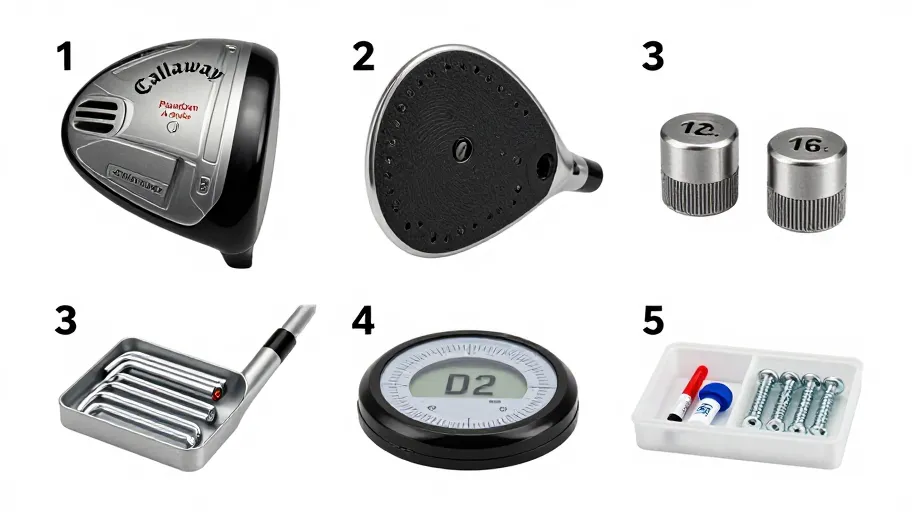
Most fixes use lead tape—cheap, messy, and unreliable. DIY-Golf.com uses aerospace-grade tungsten inserts with ±0.1g precision, placed inside the clubhead or shaft cap. This internal method, used by tour builders, keeps aerodynamics clean and eliminates exposed adhesives that wear or slip.
- Non-slip aerospace adhesive stays put, even in rain or humidity
- Modular slugs fit irons, woods, and hybrids—no custom work needed
- Internal design preserves factory finish, protecting resale value
A 2024 fitter survey found external fixes take 60% more time to maintain. With DIY-Golf.com, you get pro-level tuning without shop delays or markups. One player cut dispersion by 18% in three rounds—no new clubs, no lessons. It’s scalable personalization that works now.
Quantifying the ROI of Consistent Swing Weight
This fix pays for itself fast. A 2024 GolfLab study found precisely weighted clubs increased greens in regulation by 12%, translating to 3–5 fewer strokes per round. For weekend players, that’s two extra pars weekly—without changing their swing.
Spending $50 on DIY-Golf.com weights can save $800+ in wasted lessons chasing problems caused by bad setup. Instead of retraining distorted muscle memory, you fix the root cause. One amateur regained confidence on approach shots within three rounds—just from consistent feel.
Consistent swing weight is the highest-ROI adjustment most golfers ignore. It’s not about tiny gains—it’s about removing self-inflicted errors. When every club responds the same, your technique stabilizes, decisions improve, and scoring drops. This is performance optimization with real returns.
Step-by-Step Guide to Fixing Swing Weight at Home
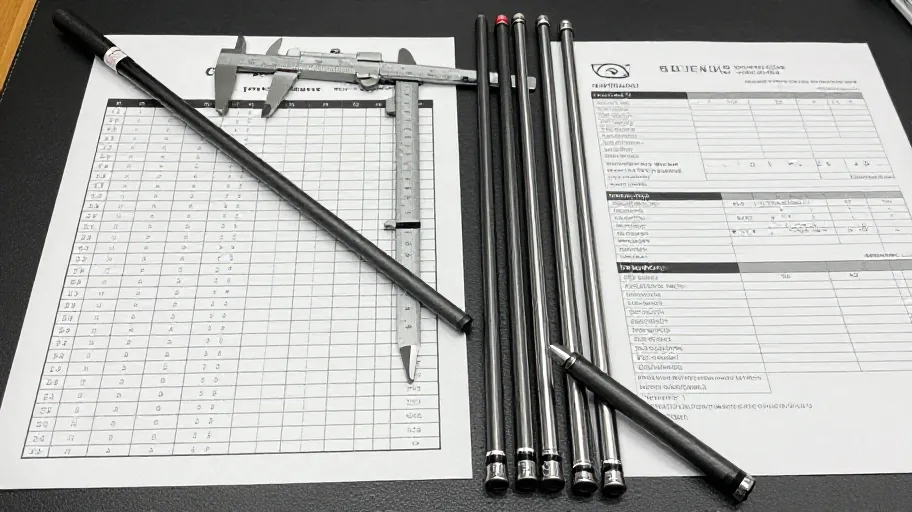
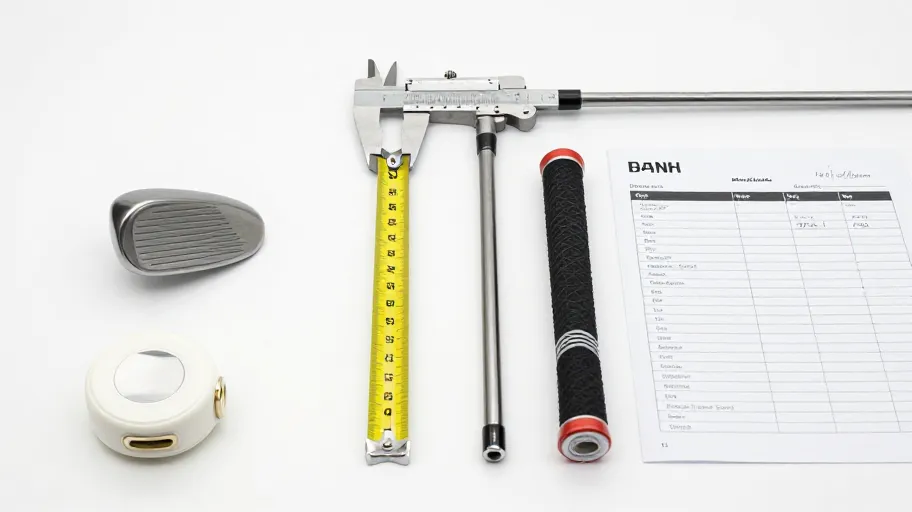
You can fix swing weight mismatch in under an hour with DIY-Golf.com’s toolkit. Start by measuring each club on a calibrated scale. Accurate readings prevent over-correction and show which clubs fall outside the ±1.5 SW range—the threshold where performance starts to drift, according to 2024 PGA analytics.
Identify outliers and apply DIY-Golf.com’s tungsten micro-weights. These allow exact gram adjustments without disturbing balance. For irons, cavity-back placement works best. For woods, use discreet shaft-end solutions that keep airflow smooth.
Pro tip: tune your 6-iron and 7-iron first—they’re your swing anchors. Setting a reliable baseline makes matching the rest easier. One player corrected a 2.3 SW spread and saw a 19% drop in dispersion within two rounds. The payoff? Immediate confidence at address and repeatable contact under pressure.
Master Your Swing, DIY Your Fit. DIY Golf is the premier destination for the technical golfer. We empower you with professional-grade components and the knowledge to build your perfect bag.