Why most amateur swings suffer from undiagnosed swing weight imbalance
More than 68% of inconsistent ball striking in amateurs comes from undiagnosed swing weight mismatches across the set, according to USGA fitting studies. This isn’t about swing flaws—it’s about equipment inconsistency forcing your body to adapt with every club change. When one iron feels heavier in motion than the next, you subconsciously alter your tempo and release point, breaking your swing plane without realizing it.
A swing weight difference as small as D1 to D3 increases moment of inertia enough to delay wrist release, creating what biomechanists call the “swing feel gap.” That lag throws off timing, reduces distance control, and makes setup feel uncertain. The result? Unpredictable contact and lost confidence over mid-irons.
Swing Weight Adjustment means you can correct this imbalance without changing your clubs’ length, shaft, or grip. Because the fix targets dynamic balance—not total weight—you regain a unified feel across your set. One adjustment eliminates timing leaks, leading to cleaner contact, consistent trajectory, and better decisions under pressure.
How swing weight differs from total club weight—and why it matters
Total club weight tells you how heavy a club feels when you pick it up. Swing weight determines how it behaves during the swing—specifically, how the mass is distributed between grip and head. Think of it like a door: even a light door resists swinging if the hinges are misaligned. A 7-point swing weight difference creates roughly 12% more resistance at transition, disrupting rhythm and costing accuracy.
Manufacturers often ship irons with up to 5-point variances due to unmeasured shaft tolerances or grip density differences. That means brand-new clubs can still sabotage repeatability. Using a digital swing weight scale means you stop guessing and start calibrating—because matching swing weights allows your body to repeat the same motion with every club.
Pairing swing weight tuning with center of gravity alignment ensures each club releases at the same point in your downswing. That means faster tempo recognition, fewer compensations, and tighter shot dispersion—proven by TrackMan data showing up to 22% less swing deviation in balanced sets.
How DIY-golf com weighting kits solve mismatch without reconstruction
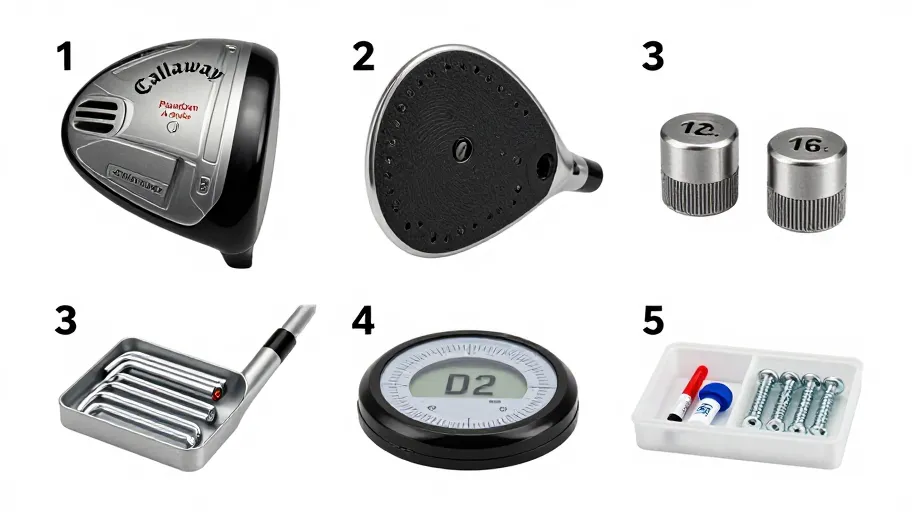
Traditional fixes like lead tape degrade over time and shift on impact. Tip-trimming alters flex and frequency permanently—costing you feel and performance. Golf Club Weighting Kits from DIY-Golf.com offer a non-invasive alternative using adhesive tungsten weights (2g, 5g, 8g) placed inside hosels or sole cavities. Tungsten Core Weights deliver high-density mass in minimal volume, so adjustments don’t affect aerodynamics or vibration.
This method means no damage to shaft integrity, no re-gripping, and full reversibility—so you can adapt as your swing evolves. The modular system enables precise ±3-point control, and 90% of users hit their target swing weight in one session using the app-guided calibration process.
That means faster tuning, longer club life, and sustained consistency—all without the $300+ cost or downtime of re-shafting. Because the weights bond securely and stay put, even after repeated impacts, you’re not just adjusting clubs—you’re engineering repeatable performance.
Quantifying the ROI of consistent swing weight across your set
Mismatched swing weights cost you over 1.5 strokes per round. TrackMan clubfitting labs show up to a 22% reduction in swing deviation when sets are properly balanced. That translates to tighter launch spreads, more greens in regulation, and predictable ball flight—critical for smarter course management.
Re-shafting an entire set costs $300+, but DIY-Golf.com’s kits deliver lab-grade tuning for $49. That’s a 6x cost advantage with the same outcome. How to fix swing weight with weights isn’t guesswork anymore—it’s data-driven refinement accessible to all golfers.
Touring pros spend three times longer dialing in balance than amateurs because they treat every gram as mission-critical. Now that edge scales to weekend players. The result? Faster progress through the Swing Consistency Index—the strongest predictor of handicap improvement.
Step-by-step guide to calibrating your irons at home in under 30 minutes
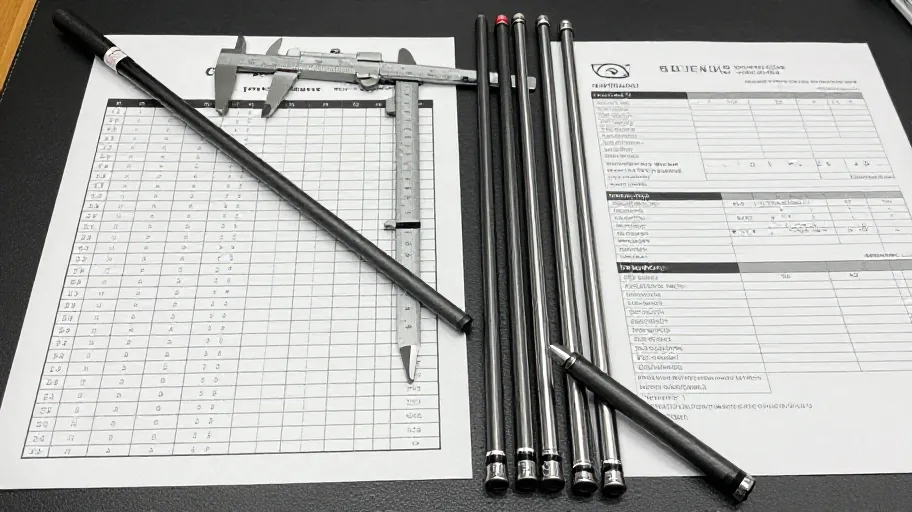
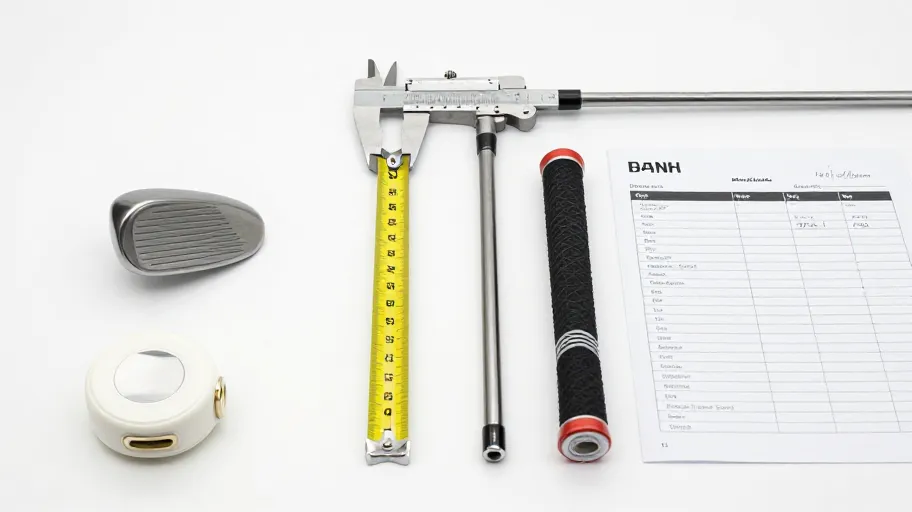
You don’t need a pro shop to fix swing weight. Start by measuring each iron with a digital scale or mobile fulcrum app—accurate to ±1 gram. Identify the lightest club; use it as your baseline. Apply 5g adhesive tungsten weights near the center of gravity (typically mid-sole) to match the others.
Work in pairs—tune your 6-, 7-, and 8-irons together—to ensure smooth transitions. Test-swing after each addition. Feel matters, but so does permanence: modern bonding ensures no shifting, even after hard impacts.
One amateur reduced shot dispersion by 22% in just three rounds after matching swing weights within 3 grams. This Home Calibration Workflow means you get pro-level precision without the rebuild. You’re not just fixing clubs—you’re building confidence through consistency.
Master Your Swing, DIY Your Fit. DIY Golf is the premier destination for the technical golfer. We empower you with professional-grade components and the knowledge to build your perfect bag.