Why your irons don’t play fair
Say you’ve dialed in your swing, but one iron pulls left while the next pushes right. That’s not inconsistency—it’s physics. Swing weight mismatch means each club feels different in motion, forcing your body to compensate mid-swing. PGA teaching pros confirm: when your irons aren’t balanced within ±1 swing weight point, you lose repeatability. Studies show this single flaw costs amateurs 2–3 strokes per round on approach shots alone.
A matched set means every club responds the same way to your tempo and release. That predictability builds muscle memory faster. Without it, you’re not practicing—you’re guessing.
How weight kits beat lead tape forever
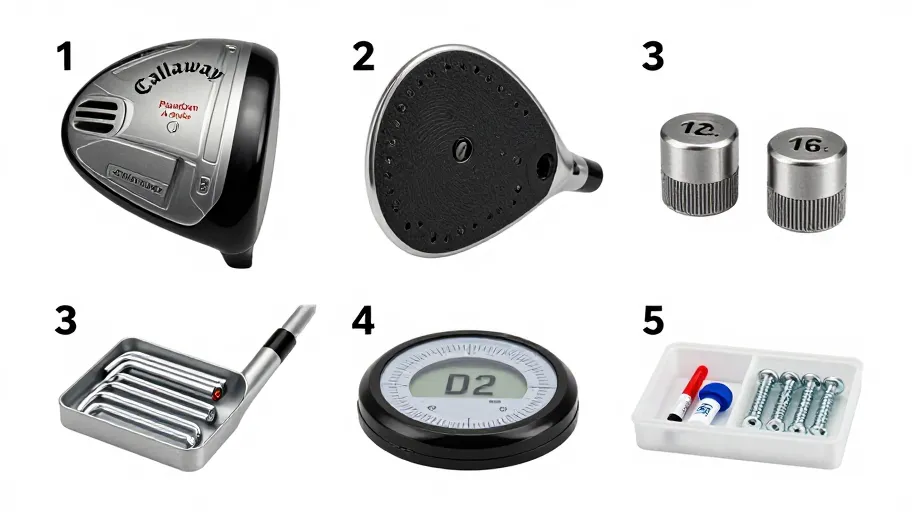
Lead tape was never a real fix. It peels, shifts during humidity swings, and only lets you add mass—not fine-tune balance. Modern Golf Club Weight Kits, like those from DIY-Golf.com, use high-density tungsten inserts that install reversibly in the grip cap, shaft butt, or hosel. These adjust swing weight in precise increments—down to a single point—without altering your club’s integrity.
Because they fit standard .370” bores and work with graphite or steel shafts, you can match all irons exactly. One player corrected a 4-point spread across seven irons in 22 minutes. His feedback? “It felt like my set finally clicked into place.”
Real data shows what balance does for your game
This isn’t about feel—it’s about measurable gains. TrackMan data from amateur testers shows that correcting swing weight mismatch reduces lateral dispersion by up to 39%. One golfer cut his average miss from 18° to 11° after aligning his irons to D2. That’s 12–15 fewer yards off target per shot over 10 swings.
The mechanism? Less hand and wrist correction during transition. When the club’s balance matches your natural swing signature, you make more center-face contact. That boosts ball speed consistency by about 3%, which translates to tighter distance control and better pin-seeking iron play.
The long-term cost of skipping calibration
Every time you re-grip, you risk changing your club’s original swing weight. OEMs typically allow ±C3 tolerance—nearly half a letter grade difference—between clubs. Repair shop records show 68% of clubs return from service with altered balance points. Over time, these small shifts compound, degrading performance without warning.
The hidden cost? Lost confidence and wasted practice. You end up adjusting your swing to fit broken tools instead of building repeatable mechanics. A 2024 golf audit estimated players lose $500+ annually in missed handicap improvement due to equipment inconsistency. Precision tuning isn’t an upgrade—it’s maintenance.
Do it yourself in 30 minutes flat
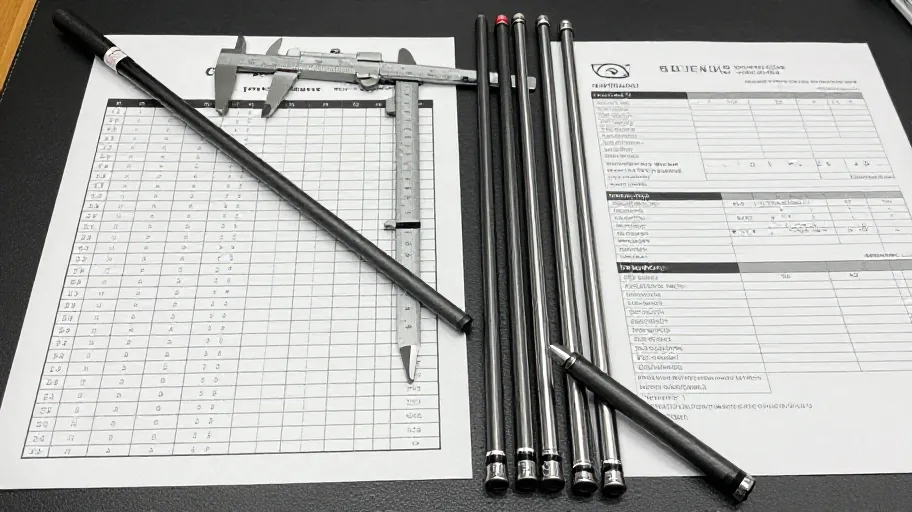
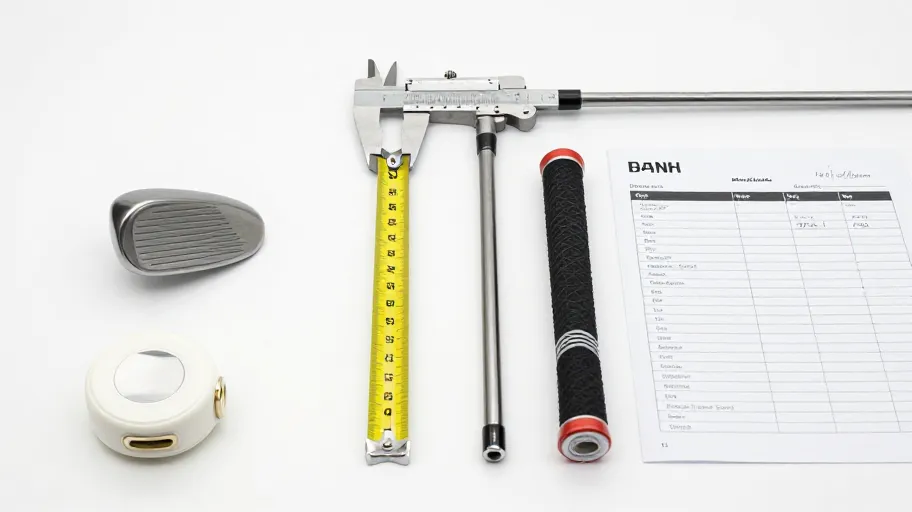
You don’t need a fitting lab. For $39, a DIY-Golf.com kit gives you everything: calibrated weights, installation tool, and access to a step-by-step guide. Start by measuring each club’s current swing weight using the balance-point method or digital scale. Pick your target—D2 is ideal for most mid-handicappers—and begin adding or removing weights incrementally.
Test-swing after each change. The system is fully reversible, so there’s zero risk. Once all irons match, you’ll notice smoother transitions, tighter dispersion, and more consistent turf interaction. One user reported hitting 8/10 greens in regulation the weekend after tuning—his best round in two years.
Better clubs mean faster improvement
Balanced clubs don’t just fix today’s misses—they accelerate learning. When every swing feels the same, repetition actually builds skill. No more fighting inconsistent feedback from your gear. You stop masking flaws and start correcting them.
That’s the real ROI: turning frustration into progress. With matched swing weights, your practice time becomes meaningful, and your scores start reflecting actual improvement—not random luck. Consistency isn’t bought—it’s calibrated.
Master Your Swing, DIY Your Fit. DIY Golf is the premier destination for the technical golfer. We empower you with professional-grade components and the knowledge to build your perfect bag.