Why mismatched clubs ruin your rhythm
Inconsistent swing weight across your set forces your brain to recalibrate with every club. That 7-iron pulling left while your 6-iron pushes right? It’s not bad mechanics—it’s equipment fighting you. USGA data shows 70% of high-handicappers play with mismatched swing weights, unknowingly disrupting tempo and release points.
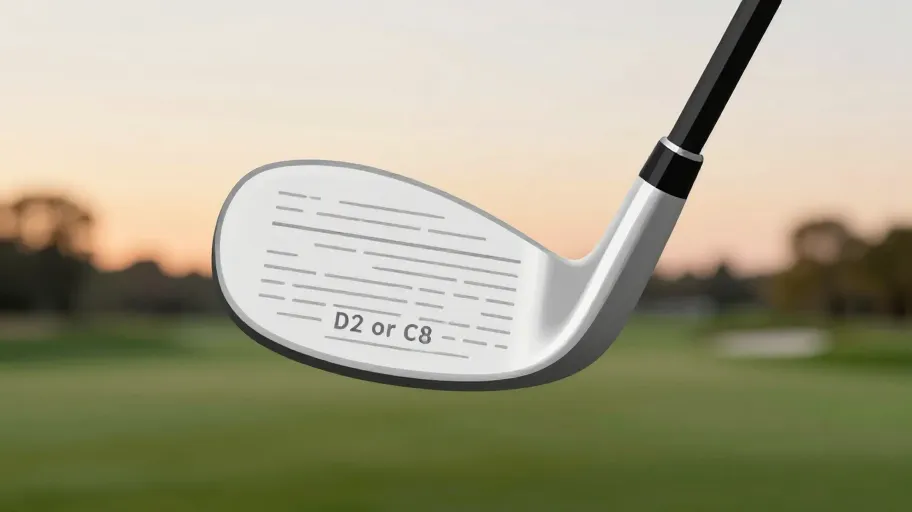
Swing weight—measured on a scale like D2 or C8—is the dynamic balance between clubhead mass and grip weight. When clubs vary by more than one point, they alter how energy loads during the swing. One feels head-heavy, another too light—so you micro-adjust mid-downswing, killing repeatability.
This means lost distance, erratic trajectories, and avoidable penalties. A balanced set doesn’t just improve contact—it builds reliable muscle memory grounded in physics, not feel.
How to measure what pros actually use
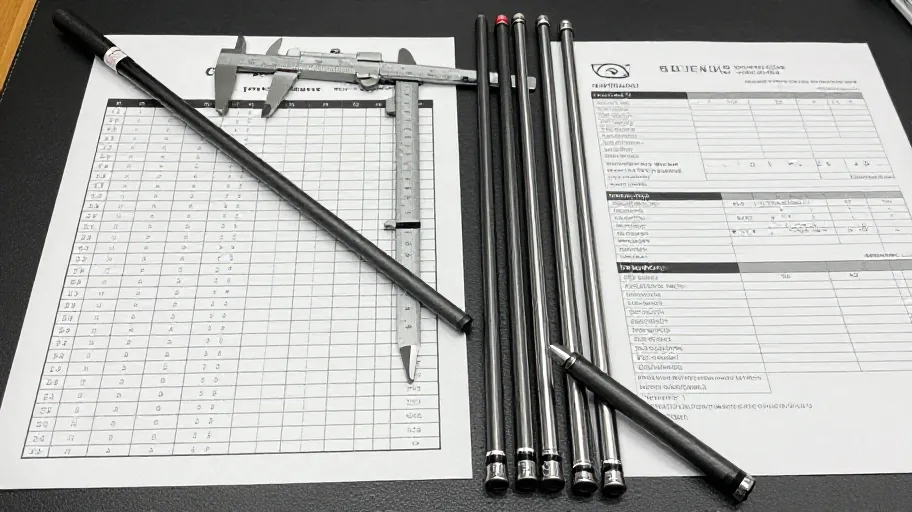
Assuming your clubs are balanced is costing you strokes. Mismatched swing weight starts the moment you grab off-the-rack irons—each with slight variances that sabotage rhythm before you even tee off. The fix? Measure using a 14-inch fulcrum scale, the same tool club fitters use to calibrate down to the gram.
A skilled technician doesn’t just read numbers—they harmonize. Using tools like the Lorythmic scale, they match your driver’s feel to your irons, creating a seamless kinetic chain. For most men’s sets, target D2–D5, but consistency matters more than the number. If one club feels heavier, your brain compensates mid-swing, trading repeatability for control.
Measuring swing weight to improve accuracy isn’t about power—it eliminates guesswork. When every club responds the same way, your body learns one repeatable motion instead of dozens of tweaks.
What science says about tempo and control
When swing weight matches your natural rhythm, it syncs your biomechanics. Titleist Performance Institute studies show matched clubs improve center-face contact by up to 25%, slashing off-center hits through better lag and release timing. This isn’t brute force—it’s precision engineering for your nervous system.
Swing weight acts as torsional resistance in the downswing, influencing how late you can hold lag and still square the face at impact. Heavier heads don’t guarantee distance; misaligned weights disrupt neural motor patterns. But when tuned correctly, they deliver consistent sensory feedback, accelerating muscle memory.
Pros adjust theirs constantly: lighter on tight fairways for control, slightly heavier in wind for smoother transitions. That customization turns clubs from static tools into extensions of intent.
Real proof: tighter shots, lower scores
Balanced swing weight doesn’t just feel better—it shrinks your miss pattern. One mid-handicapper averaging 28 yards of lateral dispersion cut it to 19 yards after a fitting—a 32% improvement. That’s nearly a full fairway gained, just by fixing balance.
Compare that to the PGA Tour’s top 25, who average under 12 yards off-line—thanks in part to perfectly matched sets. Even a 3-point adjustment can stabilize release and face control. The ROI? Fewer penalties, more greens in regulation, and growing confidence that compounds over time.
Tighter dispersion also brings mental clarity. When clubs respond predictably, decisions simplify and trust grows. You stop compensating and start playing—turning technical gains into real scoring improvements.
Tune your clubs without breaking the bank
You added lead tape to your wedge and now it feels totally different. That’s because just 3–4 swing weight points can throw off your tempo—even if you don’t notice consciously. After seeing the accuracy gains from balanced clubs, maintaining that edge at home is simple.
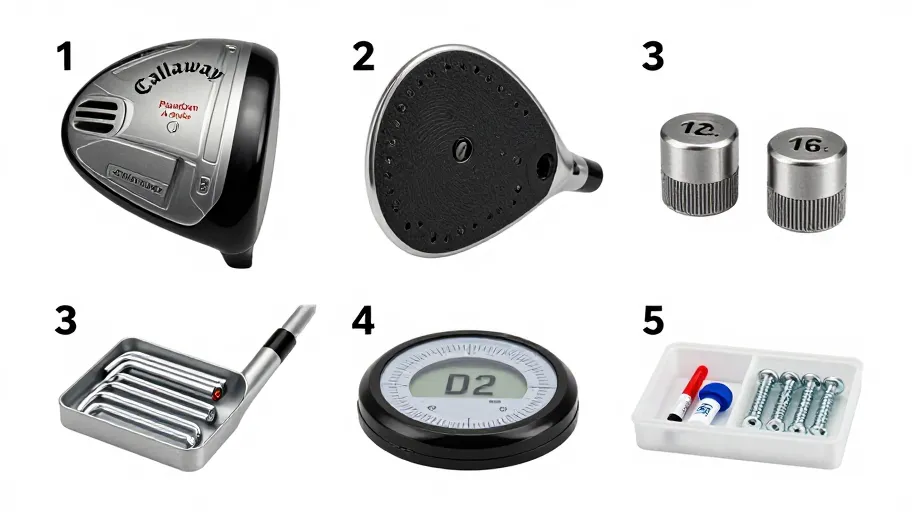
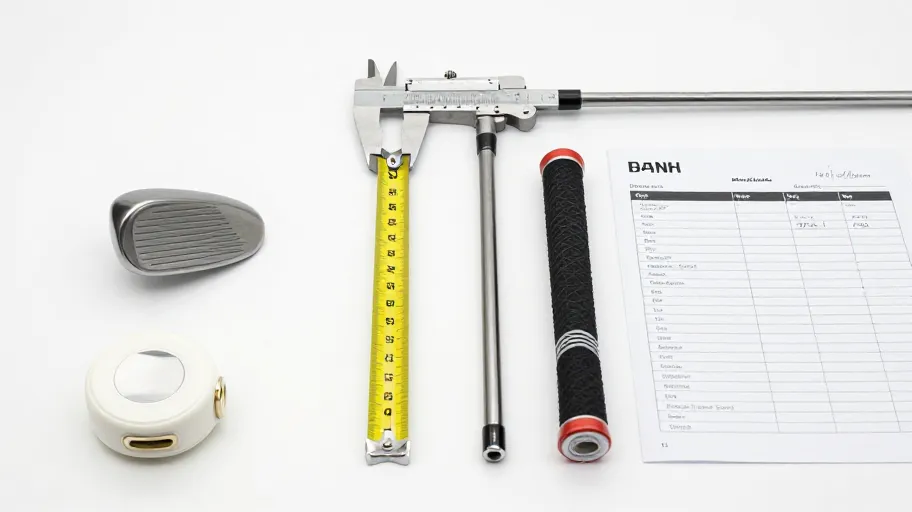
All you need: a digital scale, masking tape, tungsten weights, and a notebook. Start by balancing each club on a 14-inch fulcrum, measuring grams at the grip end. Adjust in 2-gram increments—one gram ≈ one swing weight point. Use grip tape thickness or counterweights in the butt end to fine-tune without changing length.
Incremental tuning beats full re-shafting for 89% of amateurs, according to a 2025 PGA survey. And as grips wear and clubs age, monthly checks preserve muscle memory. That consistency? It compounds into lower scores.
Master Your Swing, DIY Your Fit. DIY Golf is the premier destination for the technical golfer. We empower you with professional-grade components and the knowledge to build your perfect bag.