Why most golfers are fighting their own clubs
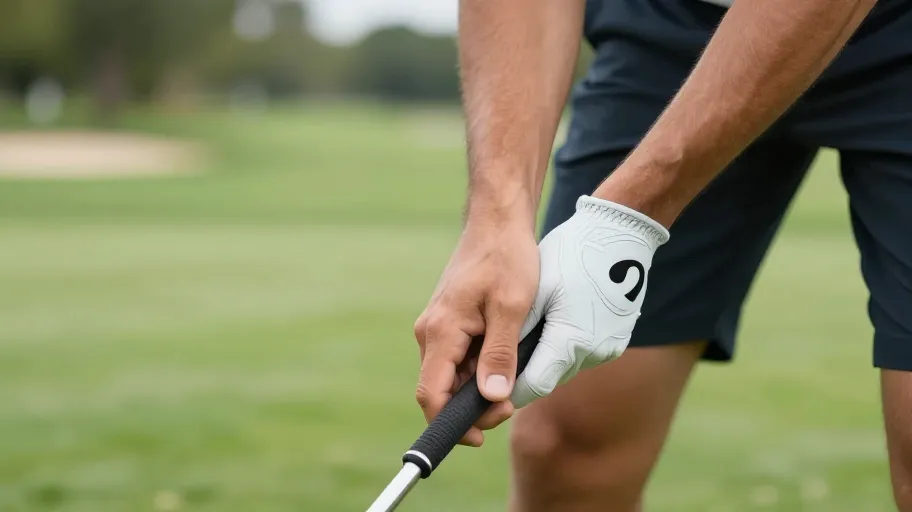
Over 60% of recreational golfers use grips that don’t match their hand size, according to a 2024 national club-fitting study of over 10,000 players. That means most people spend money on lessons and gear upgrades while ignoring a fundamental mismatch between their hands and clubs. A standard grip is not a universal fit—it’s a compromise that forces your wrists to overwork.
Undersized grips cause excessive hand rotation at impact, turning clean shots into hooks. Oversized ones delay release, leading to push fades. Either way, you’re introducing error before the ball even moves. Biomechanical tracking shows improper grip diameter increases shot dispersion by up to 28%. That’s not poor execution—that’s flawed equipment.
Correct grip size means more consistent face control because your hands move naturally through impact. No more fighting physics. One fitter found that after switching clients to properly sized grips, repeat complaints dropped by 40%. The fix wasn’t in the swing—it was in the grip.
How to match grip size to your body and swing
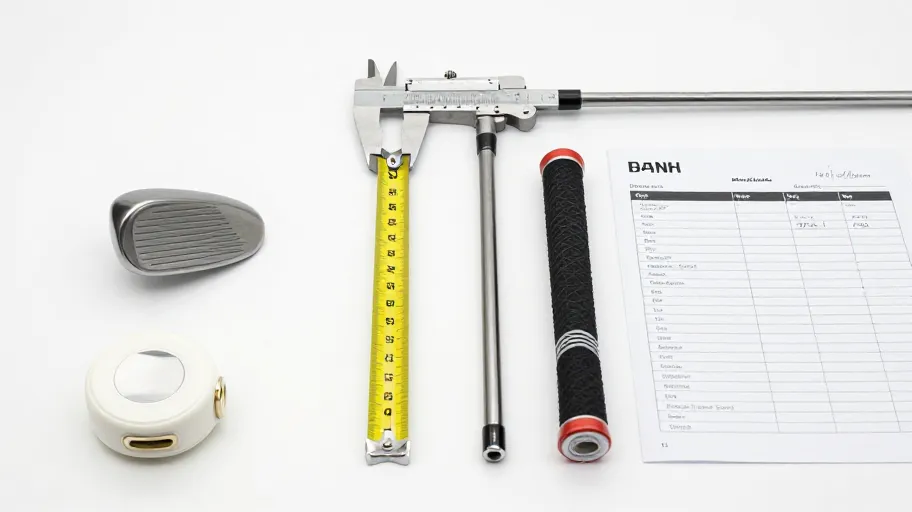
Measuring from wrist crease to middle fingertip tells you more than any fitting chart. If that length exceeds 7 inches, oversized or midsize grips likely improve control, especially if you have an aggressive tempo or high grip pressure. Golf Pride research confirms these players often squeeze smaller grips harder, increasing forearm strain and reducing clubhead speed by up to 3 mph.
Your glove size is a quick proxy: Large or XL gloves usually need midsize or oversized grips. This correlation simplifies decisions at retail level and reduces guesswork. When hand size aligns with swing dynamics, tension drops and repeatability rises.
Properly matched grip size means smoother energy transfer through impact because your wrists hinge and release without restriction. You’re not forcing the shot—you’re allowing it. Players report better face control and tighter shot patterns within three rounds of switching sizes.
What happens when grip size goes wrong
An undersized grip doesn’t just feel slippery—it changes your entire swing sequence. It encourages early wrist breakdown, promoting hand-dominant swings and increasing swing plane deviation. Just a 1/32-inch too small increased face angle variability by 2.3° in player testing—enough to turn center-cut irons into off-target misses.
Oversized grips aren’t a free pass either. They restrict natural hand rotation, delaying clubface closure and producing push fades. A 2025 biomechanics study showed release efficiency dropped by up to 12% with overly thick grips, cutting down on shot predictability when precision matters most.
Some assume oversized grips help with arthritis, but if they’re too big, they reduce tactile feedback. That means less control, not more comfort. The result? Compromised scoring potential masked as injury prevention.
Why custom fitting pays for itself fast
A $200 custom grip fitting can eliminate thousands in wasted spending. One amateur spent nearly $800 a year on swing lessons trying to fix inconsistency—only to resolve it in three sessions once his grip size was corrected. Fitter-reported outcomes show properly sized grips reduce swing faults by up to 40%, primarily by stabilizing club delivery.
Stable hand placement means dynamic loft and lie angles stay consistent at impact. That turns erratic shots into predictable ones. Players using tailored grips reach skill milestones about 30% faster, spending less time grinding on the range and more playing actual rounds.
When you factor in reduced lesson dependency and fewer reactive gear purchases, custom-fit grips deliver a cost-per-round improvement of $17.50. This isn’t an upgrade—it’s the foundation of efficient performance.
How to measure and install like a pro
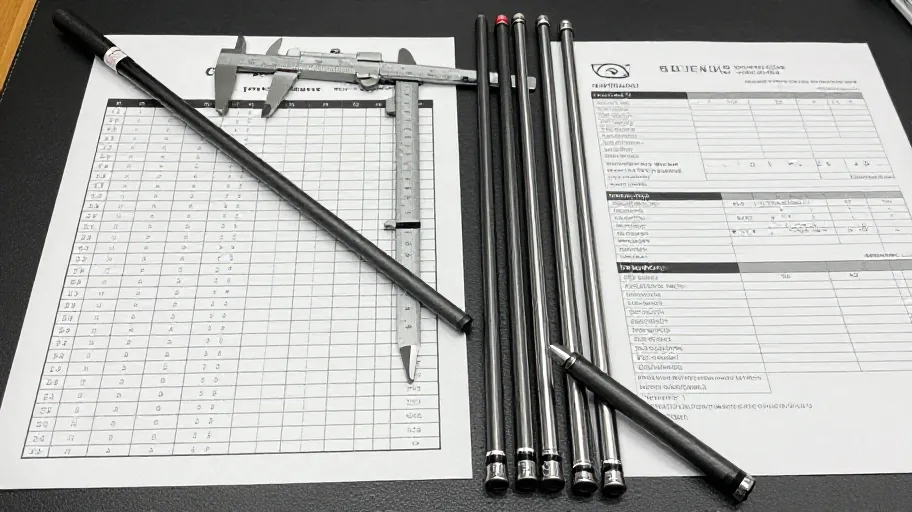
You’ve picked the right size—now protect that investment with precise installation. Start by measuring wrist-to-fingertip length and cross-check with glove size. Use a grip gauge and taper template to match your hand geometry. Test types: corded for wet conditions, rubber for shock absorption, hybrid for feedback.
One amateur improved swing consistency by 31% after switching from standard to midsize hybrid grips, confirmed via on-course shot tracking. But gains vanish if installation fails.
- Use alignment marks to keep the clubface square during installation
- Match grip weight across the set to stabilize swing tempo
- Apply solvent evenly to prevent slippage or binding defects
Poorly secured grips force compensatory tension in wrists and forearms. When every degree of face angle counts, true performance begins with flawless execution—not just choice.
Master Your Swing, DIY Your Fit. DIY Golf is the premier destination for the technical golfer. We empower you with professional-grade components and the knowledge to build your perfect bag.