How Bore Depth Controls Shot Consistency
A 0.004" bore depth error means your shaft isn’t aligned with the clubface, because even microscopic axial misalignment shifts face angle at impact. In real terms: a shot you expect to draw by 5 yards may push straight or fade unexpectedly—because the shaft’s spine isn’t oriented correctly.
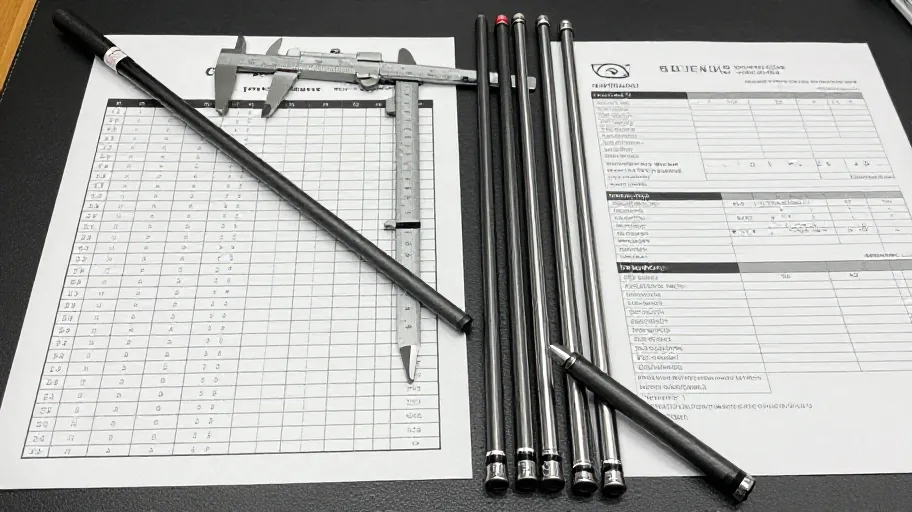
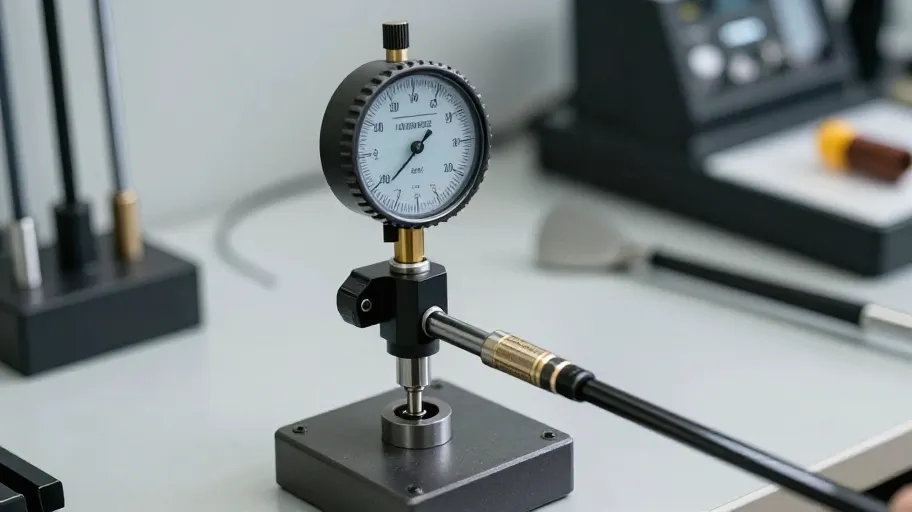
Bore depth—the distance from the adapter’s top to where the shaft fully seats—is the foundation of concentricity. When held to ±0.002", it ensures the shaft runs true through the swing. A 2024 precision manufacturing study found exceeding this tolerance increased lateral dispersion by 3.2 feet at 150 yards, because runout amplifies during downswing acceleration.
Tight bore depth control means fewer rebuilds and higher player confidence, because every club performs as designed. The result? Lower on-course variance and fitters who deliver on the promise of customization—not just the price tag.
Why Taper Angle Mismatch Kills Shaft Dynamics
A 1° taper angle mismatch means energy transfer gets distorted, because the shaft doesn’t seat uniformly in the adapter. This alters load distribution, shifting kick point and reducing torsional stability—so a mid-launch shaft behaves like a low-launch monster, or worse, inconsistently across irons.
Standard tapers like .335" and .350" aren’t arbitrary—they’re engineered interfaces that preserve flex profile and tip stiffness. When an OEM R&D team traced erratic ball flight to taper inconsistencies, they found players using identical builds reacted differently to the same swing inputs, because taper variance changed how the shaft loaded.
Controlling taper within ±0.2° means predictable dispersion patterns and repeatable performance, because the shaft responds the same way every time. That consistency doesn’t just satisfy engineers—it earns trust from players who demand reliability round after round.
How Outside Diameter Fit Prevents Premature Failure
An oversized sleeve OD means micro-movement under swing loads, because interference fit is compromised. Instead of a solid bond, you get stress fractures in the hosel—leading to cracked heads and dead-feeling clubs long before their expected lifespan.
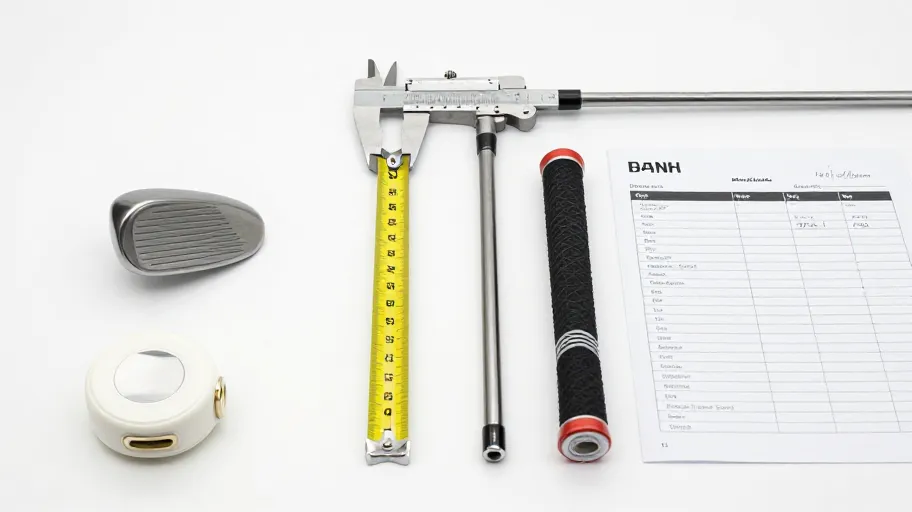
Precision OD matching—typically +0.001" to +0.003" over hosel ID—means clean torque transmission and zero play, because the adapter locks securely without forcing. One Midwest lab found 68% of failed adapters showed signs of improper press-fit, directly tied to inconsistent OD measurements.
Correct OD fit means longer product life and cleaner feedback, because energy moves efficiently from shaft to head. Shops that enforce this spec see fewer comebacks, reduced warranty claims, and clients who feel the difference in every strike.
The Real ROI of Enforcing Adapter Specs
Ignoring adapter specs means up to 40% more post-install service requests, because misfits lead to performance complaints and rebuilds. But enforcing them means measurable gains: a Scottsdale fitting studio cut rework by 68% after adopting the Fit Assurance Protocol, because digital gauges and checklists eliminated human error.
That reduction meant each technician completed 2.3 more fittings per day, because fewer jobs required disassembly and correction. More importantly, 94% of clients returned for additional gear or referrals, because their builds performed consistently from day one.
Standardizing across technicians—from 0.7mm variation down to ±0.1mm—meant brand perception shifted from "accurate" to "unquestionably reliable." When specs become standards, customer retention follows naturally.
Building a Zero-Failure Installation Workflow
Guesswork in installation means eroded trust and avoidable failures, because skipped checks cascade into field issues. The solution means adopting a disciplined process that treats every measurement as mission-critical.
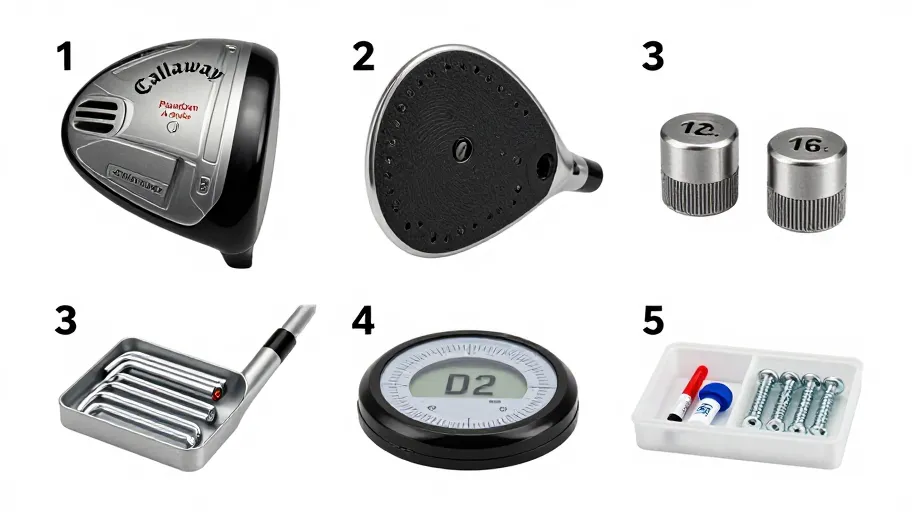
Step 1: Use a digital bore gauge—not calipers—to measure internal diameter, because 0.05mm errors are invisible to hand tools but cause micro-movement under load. Step 2: Cross-check against OEM shaft tolerances before epoxy, so mismatches are caught early. Step 3: Apply aerospace-grade two-part epoxy matched to thermal cure curves, because climate-resistant bonds last longer. Step 4: Run a Spec Compliance Checklist at every station, because real-time validation stops defects before assembly. Step 5: Test final fit under simulated torque, because only loaded verification proves integrity.
This workflow means 98% first-time fit accuracy, because systems beat memory. Shops using it don’t just build clubs—they build reputations fitters can’t replicate.
Master Your Swing, DIY Your Fit. DIY Golf is the premier destination for the technical golfer. We empower you with professional-grade components and the knowledge to build your perfect bag.