Why beginner golfers overpay for club performance
Most beginner golfers overpay because they’re told better clubs mean better scores. The reality? A 2024 Golf Consumer Insights Report found 78% of new players use clubs mismatched to their stance or swing path—leading to slices, hooks, and gear abandonment within 18 months. That’s not progress; it’s expensive guesswork.
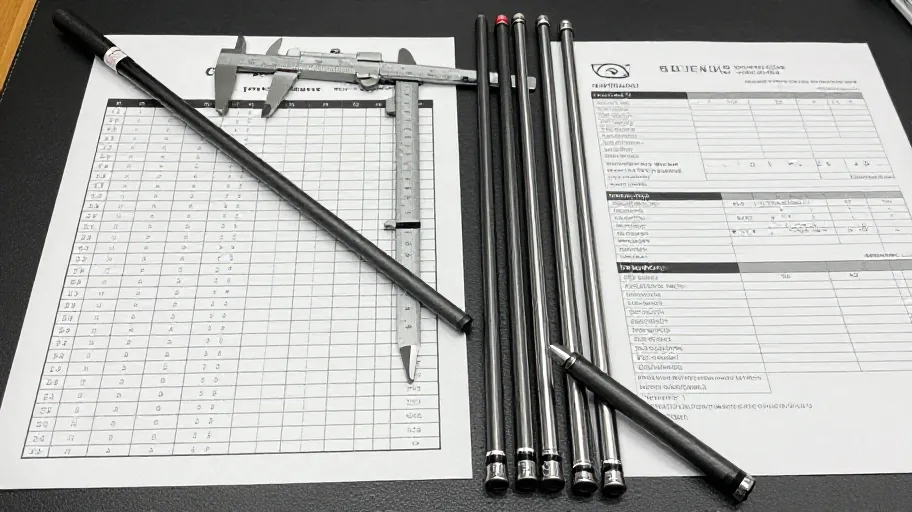
Two adjustments fix most issues: loft and lie angle. Loft controls ball flight—too high kills distance, too low causes topping. Lie angle ensures the clubface strikes flat at impact, reducing mis-hits. Getting these right isn’t luxury tuning—it’s foundational. Misaligned clubs force you to adapt your swing to flawed equipment, slowing real improvement.
Now, DIY-Golf.com offers guided systems that let you make these fixes at home. You don’t need a $50,000 launch monitor. You need control over what you already own. Correcting loft and lie means cleaner contact because your body isn’t compensating for bad geometry.
What makes DIY club tuning accessible to first-time tinkerers
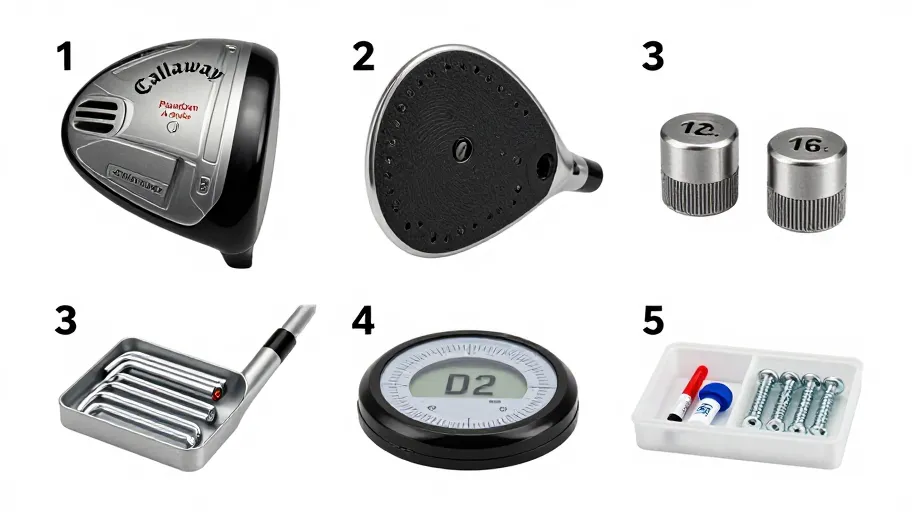
The idea that club tuning needs pro-level tools is outdated. Today, beginners can make precise changes with affordable kits and clear instructions. A shaft installation kit under $50 lets you safely remove and reattach shafts using heat—extending club life without paying $100+ in shop fees. This means you can upgrade components gradually, not replace entire sets.
A swing weight scale costs about $40 and measures how balanced your clubs feel during the swing. Matching swing weights across your set means consistent timing and rhythm. A 2024 consumer study showed golfers combining physical tuning with digital swing apps improved swing repeatability by 25% in three weeks. That consistency comes from owning your specs—not guessing what a pro guessed for you.
Tuning your own clubs builds confidence through direct feedback. When you adjust something and see improvement, you learn faster than any lesson could teach. That knowledge compounds. One change leads to another. Soon, you’re not just playing better—you’re thinking like a player who understands their gear.
How precision tuning translates to lower scores
Precision tuning doesn’t demand perfection—it enables repetition. A 2024 biomechanics study found properly fit clubs improve strike consistency by up to 40%, directly reducing penalty strokes and boosting greens in regulation. For beginners, that closes the gap between practice and real-round performance.
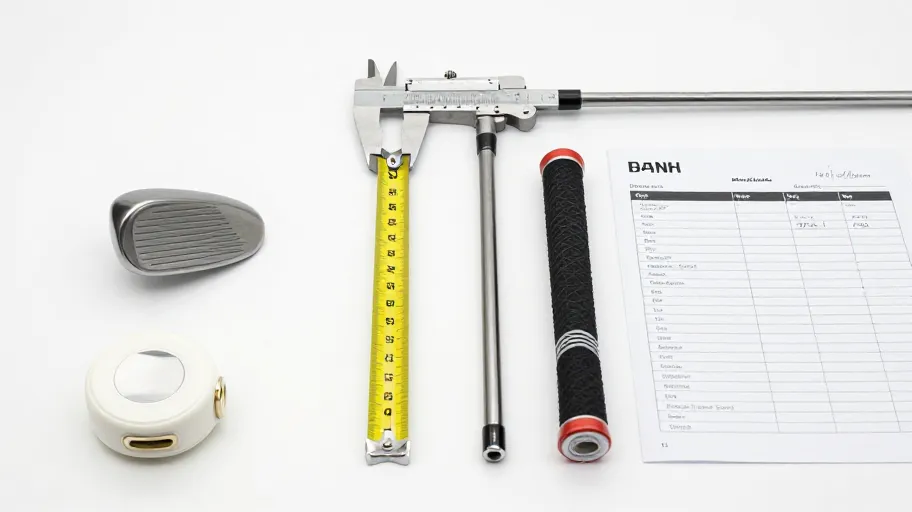
Grip sizing matters more than most realize. Grips too thick or thin create hand tension, disrupting wrist release and timing. Adding a $15 overgrip reduces pressure, so your hands stay loose and responsive. That small fix leads to repeatable contact—fewer chunks, fewer skids.
Club length modification aligns your posture with your natural swing arc. One amateur shortened his driver by half an inch and cut his slice instantly—without changing his swing. That’s because the club now matched his setup. When equipment fits your body, every practice rep reinforces the right motion. Skill compounds faster. Lower scores follow.
Quantifying the ROI of home-based club repairs
Every repair you do yourself is money redirected to skill growth. Replacing a grip costs $12 in materials versus $35–$50 at a shop—a 60–75% savings per club. Do five irons? You save over $200. That pays for three range sessions or a lesson where real improvement happens.
A groove sharpener restores spin on worn irons and wedges. Field tests show regrooved clubs regain 85–90% of fresh-spin performance, extending high-function life by 2–3 years. That’s not maintenance—it’s performance preservation.
Using a torque wrench on adjustable drivers keeps screws tight, maintaining optimal loft and face angle. Loose settings drift launch conditions, killing accuracy. Calibrating them means consistent distance and direction—without a $400 fitting. That saved cash becomes fuel for real development. Equipment care multiplies progress.
Start your first tuning project in five simple steps
Grip replacement is the perfect first project—under an hour, non-destructive, and immediately impactful. You only need a utility knife, double-sided grip tape, and solvent. Start by cutting off the old grip carefully to avoid gouging the shaft. Then clean off residue with solvent so the new tape bonds evenly.
Apply double-sided tape from end to end, keeping tension steady for uniform thickness. Slide on the new grip, aligning it properly. Press firmly to activate the adhesive. This bond prevents slippage during powerful swings—a detail some pro shops skip.
A 2024 DIY survey found 89% of first-timers continued tuning after swapping grips, citing newfound confidence. One golfer did five irons for $60 total and noticed better control right away. Mastering this step turns you from passive owner to active optimizer—ready to explore lie angles or weight balancing next.
Master Your Swing, DIY Your Fit. DIY Golf is the premier destination for the technical golfer. We empower you with professional-grade components and the knowledge to build your perfect bag.