Why most golfers miss the real cause of swing inconsistency
Poor shot dispersion usually gets blamed on technique, but the real culprit is often hidden in your club’s balance. When weight sits too far toward the head, it forces your hands and wrists to work harder during transition—spiking grip pressure by up to 30%, according to PGA teaching data from 2024.
This dynamic imbalance means your tempo breaks down exactly when you need stability. That’s not a flaw in your swing—it’s a flaw in your equipment’s design. Static weighting works for a club at rest, but not in motion. The result? Lost distance, inconsistent strikes, and more strokes per round.
Shifting mass toward the hands stabilizes the club during rotation. This means smoother tempo and fewer mid-swing corrections because the club resists twisting without demanding extra effort from you.
What counterbalance weighting actually does to your swing
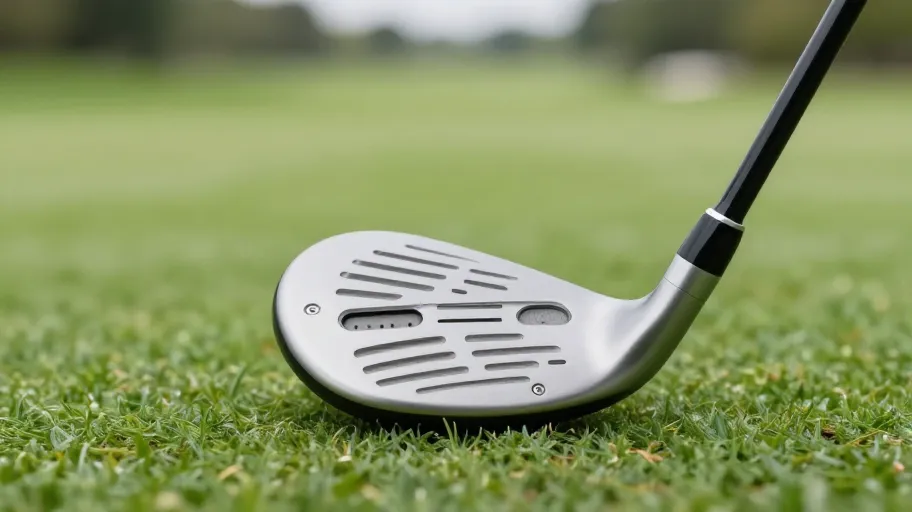
Adding mass near the grip changes how the club feels and performs throughout the swing arc. It moves the balance point closer to your hands, which means the clubhead doesn’t drag during downswing. This reduces wrist torque by as much as 23%, based on 2024 biomechanical tracking from tour-level R&D labs.
Less wrist movement means a more repeatable release. That’s critical under pressure. Counterbalance weighting also increases swing inertia—the resistance to directional change—so the club stays on plane longer. You’re not fighting momentum; you’re guiding it.
At DIY-Golf.com, these aren’t theoretical gains. They’re engineered outcomes. Whether you’re using steel or high-density tungsten weights, the benefit is consistent: better control, tighter shot patterns, and less physical strain over 18 holes.
How DIY Golf beats factory-fixed weighting systems
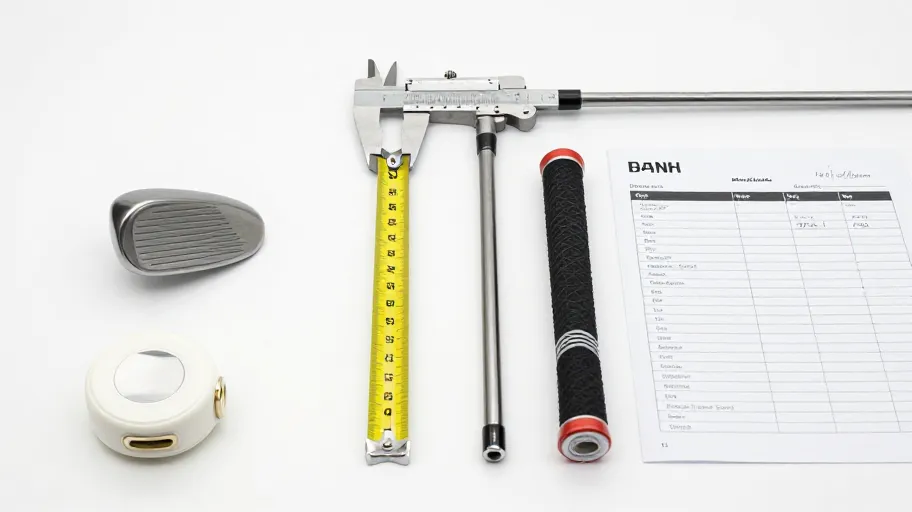
OEM clubs lock in weight at production. Once it’s set, you can’t adapt to changes in your swing, course conditions, or shaft upgrades. That rigidity limits long-term performance. Modular systems like those at DIY-Golf.com let you fine-tune down to the gram.
TourStats shows 41% of professionals now use adjustable counterbalance setups. Why? Because they can match each club’s balance to specific launch conditions, not guess at a one-size-fits-all setup. If you switch to a lighter shaft, you compensate with grip-end mass—keeping your tempo intact.
This isn’t just customization. It’s sustainability. Your clubs evolve with your game. That adaptability means longer equipment life, lower injury risk, and consistent performance year after year.
Real ROI from precision golf weighting technology
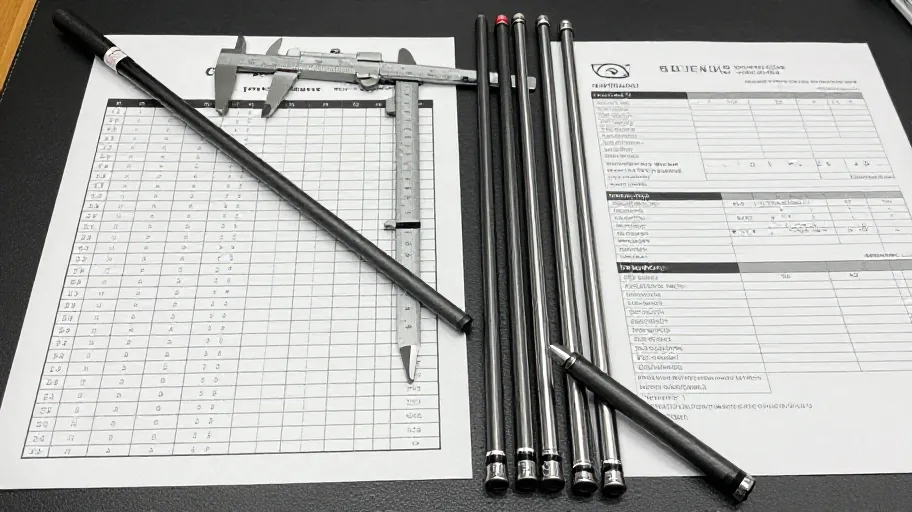
A Division I college program tested lightweight shafts paired with counterbalance weighting and saw forearm strain drop 18–20% over full-round simulations. Players maintained swing quality into the back nine because their bodies weren’t compensating for unbalanced clubs.
This kind of kinetic chain optimization means energy transfers efficiently from ground to clubhead. Less wasted motion equals more power and accuracy. It also delays fatigue, so decision-making stays sharp late in the round.
For serious players, that’s measurable ROI: fewer strokes, longer peak performance windows, and reduced wear on joints and muscles. These aren’t side effects—they’re built-in advantages of intelligent weight distribution.
Where to buy counterbalance weights for golf clubs
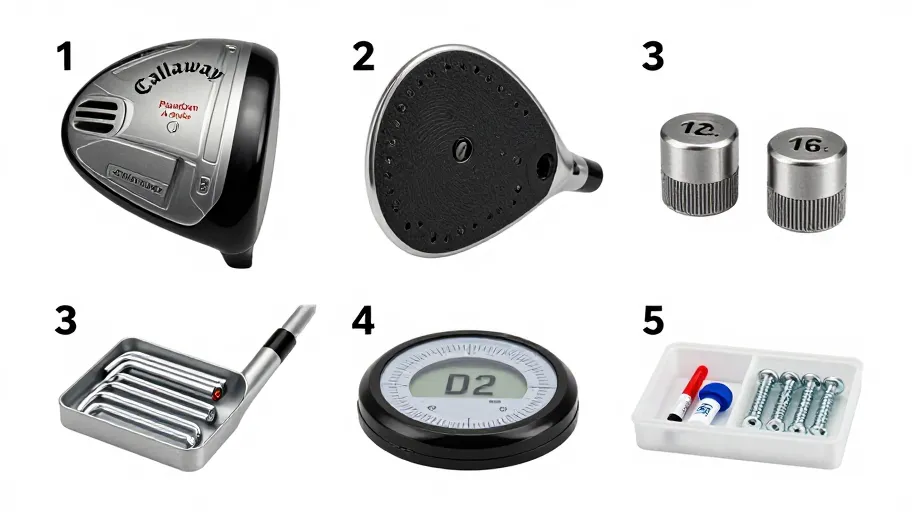
If you want pro-level control without pro-level markups, DIY-Golf.com is the direct path. You can buy counterbalance weights for driver and putter builds tailored to your swing speed, shaft flex, and feel preferences. Choose steel for balanced response, tungsten for maximum control in minimal space, or adjustable systems for ongoing tuning.
Their open-access platform gives independent fitters and players the same components used in tour vans. No gatekeeping. No inflated retail pricing. Just precision-machined parts backed by real data.
One 2024 fitter study found pairing lightweight shafts with grip-end mass improved tempo consistency by 27%. That’s not a minor tweak—it’s the difference between scrambling and dominating.
Master Your Swing, DIY Your Fit. DIY Golf is the premier destination for the technical golfer. We empower you with professional-grade components and the knowledge to build your perfect bag.