A useful cost to regrip golf clubs quote itemises four things in writing: the exact grip model and quantity, the fitment basis (core size versus your shaft butt diameter), the full scope of materials and labour including tape build and old-grip removal, and the commercial terms you must confirm directly — sample policy, shipping and returns. If any of the four are missing, the quote is not comparable, and you should not approve it yet.
This matters most when you are sourcing for a specific club brand, family and model. A quote that simply reads "regrip, per club" tells you nothing about whether the grip matches your shafts, what happens if it does not, or what you are paying for beyond the grip itself. The rest of this article gives you a framework, a decision table and a set of approval questions so every quote you receive lands in the same comparable format.
The Quote Clarity Gate framework
Before approving any regrip quote, run it through four gates. A quote passes only when all four are documented in writing — verbal assurances do not survive a dispute.
- Scope gate. The quote states the exact grip make and model, quantity, and whether tape, solvent, old-grip removal and labour are included as separate line items.
- Fitment gate. The quote records the grip core size and your measured shaft butt diameter for the specific club model, and confirms compatibility for that exact configuration.
- Terms gate. Sample policy, shipping arrangements, lead-time expectations and return handling are stated as current policy — confirmed directly with the supplier, not assumed.
- Comparability gate. The quote is broken down per club and per set, so you can place it next to any competing quote and compare like with like.
If a quote fails a gate, the correct move is not to reject it outright — it is to send the approval questions below and ask the supplier to reissue the quote in a complete form. Suppliers who work with club builders and component buyers can reissue a structured quote when asked; whether they do, and on what terms, is something you must confirm directly.
Decision table: quote element, what it must state, and what to do if missing
| Quote element | What a complete quote states | If missing |
|---|---|---|
| Grip identity | Grip make, model, colourway and quantity per club | Request exact product identifiers before comparing prices |
| Fitment basis | Grip core size and your measured butt diameter for the specific club family and model | Ask for written fitment confirmation for your exact shafts; do not approve on assumed compatibility |
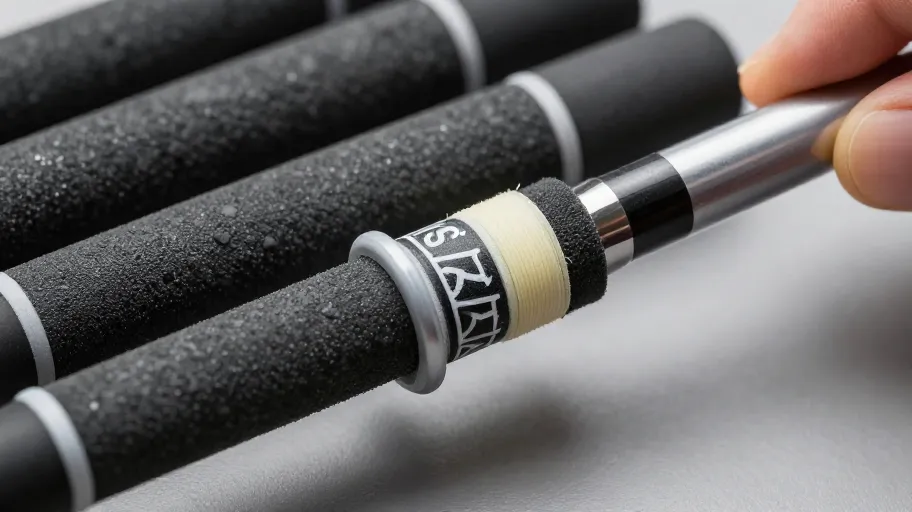
| Tape and build | Tape type, number of build-up layers, and whether build-up to reach target size is a separate line | Ask for build specification so two quotes with the same grip are truly equivalent |
| Labour and removal | Whether old-grip removal, cleaning and finishing are included | Request itemisation; compare grips and labour separately |
| Pricing structure | Per-club price and per-set total, with set size stated | Ask for both figures so partial sets and mixed models are unambiguous |
| Terms | Current sample, shipping, lead-time and return policy | Confirm the current policy directly with the supplier; policies vary and change |
| Substitution terms | What happens if the quoted grip is unavailable mid-order | Agree substitution and re-approval rules in writing |
Fitment evidence for a specific brand, family and model
When your project concerns one club family — say, a specific iron set or a particular driver model — the fitment gate deserves extra attention. Grip fitment depends on the relationship between the grip's core size, the shaft's butt diameter and any tape build-up. Two quotes can name the same grip model yet produce different finished feel if the build-up differs.
Document three things for every club in the project:
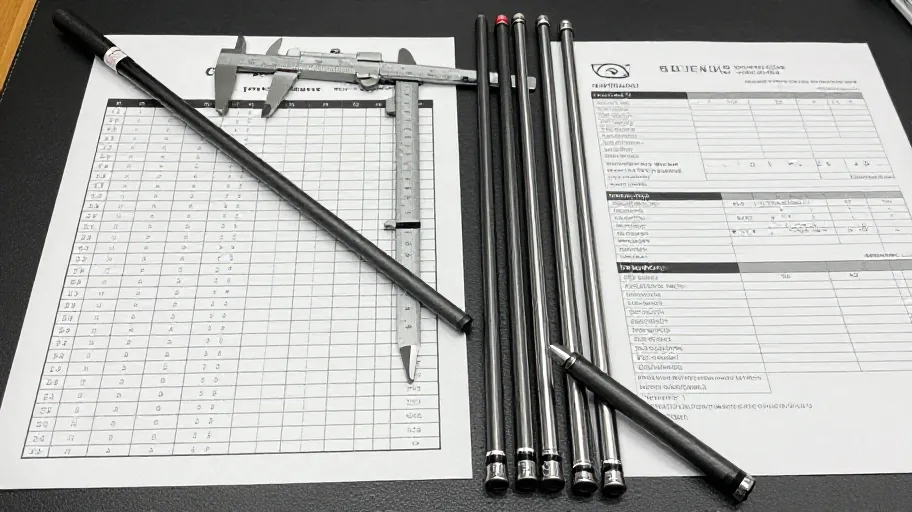
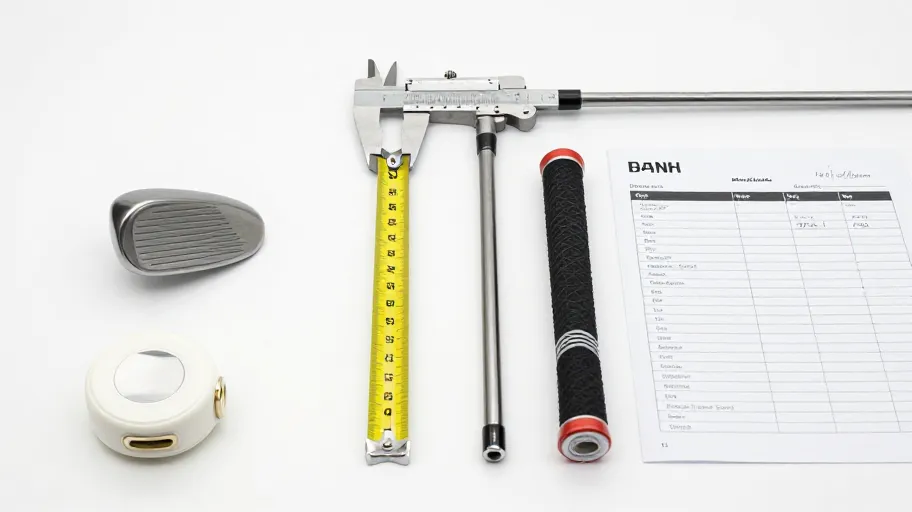
- Measured butt diameter of each shaft (not the family's marketing spec — the measured value).
- The core size of the quoted grip, taken from the supplier's current product data.
- The agreed tape build, in writing, as part of the quote.
Then ask the supplier to confirm in writing that this exact combination is the fitment they are quoting. Compatibility claims for your specific model must come from the supplier against your measured inputs, not from general assumptions. If a supplier will not put fitment confirmation in the quote, treat that as a failed gate and compare accordingly.
Approval questions to send with any regrip quote
Copy these into your next supplier email. The answers — or the absence of answers — become your decision record.
- What is the exact grip make, model and core size you are quoting, per club?
- Can you confirm in writing that this grip fits the measured butt diameter of my shafts for [club brand, family, model]?
- What tape build is included, and is build-up to a target size priced separately?
- Are old-grip removal, cleaning and finishing included as line items?
- What are your per-club and per-set prices, and what set size does the set price assume?
- What is your current sample policy, and what does it require of me as a component buyer?
- What are your current shipping arrangements and lead-time expectations for this order?
- What is your current returns policy if a grip does not fit my measured shafts?
- If the quoted grip becomes unavailable mid-order, what substitution and re-approval process applies?
- Can you reissue the quote with all of the above as separate written line items?
None of these questions presumes what the answer should be. Policies on samples, fees, shipping and returns differ between suppliers and change over time, so the only defensible position is to confirm current terms directly and keep the written answers with the quote.
Documenting quotes for a defensible comparison
Once two or more quotes answer the same ten questions, comparison becomes mechanical rather than impressionistic. Build a simple sheet with one column per supplier and one row per quote element from the decision table above. Score each element as stated, stated with caveats, or missing. A supplier whose quote is fully stated but priced higher is giving you decision information; a supplier whose quote is cheap but half-missing is giving you risk. Which trade-off to accept is your call as the buyer — the framework's job is to make sure you can see the trade-off at all.
Keep the final approved quote, the written fitment confirmation and the supplier's stated terms together in one file. If a dispute arises later — a grip that does not fit, a substitution you did not agree to — that file is the difference between a documented position and a memory of a phone call.
FAQ
Does a higher line-item count in a regrip quote mean a higher total cost? Not necessarily. An itemised quote can total the same or less than a bundled one while telling you far more. Compare totals only after both quotes pass the comparability gate — same grip, same build, same scope.
Should I approve a quote that names a grip but not a core size? No. Ask for the core size and confirm it against your measured butt diameter in writing. Grip fitment for a specific club model depends on that pairing, and it belongs inside the quote, not in a follow-up thread.
How do I handle mixed sets — different models in one regrip order? Ask the supplier to state fitment and price per club, grouped by model, with a set total that reflects the actual composition. Mixed sets are where per-club and per-set figures diverge most, so require both.
What if the supplier says their sample and return policies depend on the order? That is a legitimate position, but it must be written into the quote for your order. Ask them to state the policy that applies to this specific order and keep it with your decision record.
Is written confirmation of fitment really necessary for a component buyer? Yes, when the quote covers a specific brand, family and model. Written confirmation ties the supplier to the exact configuration, and it is the evidence you need if a delivered grip does not match what was quoted.
Download the checklist before you approve any regrip quote
Before you approve your next quote, 下载核对清单 and run every supplier response through the Quote Clarity Gate. The checklist turns the decision table and the ten approval questions above into a one-page review you can attach to each quote file.
Prefer to start smaller? Download the free quote-review checklist and use just the scope and fitment gates on your next enquiry — even a two-gate review catches the omissions that make regrip quotes impossible to compare.
Master Your Swing, DIY Your Fit. DIY Golf is the premier destination for the technical golfer. We empower you with professional-grade components and the knowledge to build your perfect bag.