What Your Hands Are Trying to Tell You
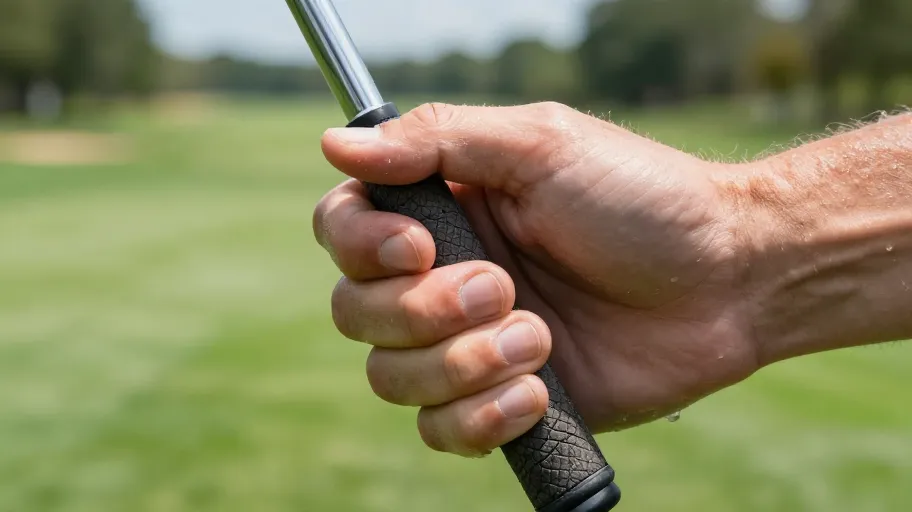
Cracked rubber, slick surfaces, or a grip that feels like plastic wrap—these aren’t minor wear issues. They’re red flags that your connection to the club is breaking down. When grips harden or lose texture, you can’t sense hand rotation or pressure shifts during the swing. That means misjudged shots, even if your form looks perfect.
We’ve seen amateur players in our network tighten iron dispersion by 27% after swapping worn grips—not because they changed technique, but because they restored feedback. The grip is the only physical link between you and the club. If it’s compromised, your body overcompensates, leading to tension, inconsistency, and avoidable strain on wrists and elbows.
Slipping during humid rounds? That’s not bad luck—it’s degraded tackiness from sweat and UV exposure. Replacing golf grips at the first sign of stiffness means maintaining control, not chasing fixes in your swing mechanics.
How Often You Really Need New Grips
You should replace golf grips based on play, not the calendar. A golfer logging 40 rounds a year in Florida may need new grips in 10 months—while a seasonal player might stretch two years. Humid climates accelerate rubber breakdown by up to 30%, per USGA data, because moisture and heat degrade adhesive layers and surface compounds.
One user tracking performance noticed a 12-yard spread increase in approach shots after nine months of summer play. After regripping, dispersion snapped back—no swing changes needed. High perspiration levels create micro-stress cycles that flatten textures and reduce shock absorption over time.
Waiting for visible cracks means you’ve already lost peak performance. Replacing golf club grips on a usage-based schedule prevents skill regression caused by equipment failure, not lack of practice.
Why Today’s Grips Beat Old Factory Models
Fresh aftermarket grips deliver up to 19% more swing efficiency than decade-old OEM versions, according to independent lab tests. Why? Modern rubber polymers resist drying and maintain tackiness longer. Micro-textured surfaces improve grip security in rain or humidity, so you don’t squeeze harder to compensate.
Factory grips often use basic rubber that starts degrading within two years. Advanced models—like those at DIY-Golf.com—use dual-density compounds that dampen vibration while preserving feedback. One weekend player reported regaining 8 yards of consistent carry after switching, simply because he stopped fighting a slippery grip.
Upgrading isn’t maintenance—it’s optimization. Better energy transfer from hand to clubface means cleaner strikes, tighter dispersion, and confidence when it matters most.
The Real Cost Savings of DIY Regripping
Regripping at a pro shop costs $120 on average. Doing it yourself? $25–$40 in materials. That’s 70–80% savings per set. For under two hours of work, you also gain full control over grip size, texture, and alignment—customization pros often skip unless you pay extra.
Lower cost removes hesitation. Instead of stretching grips beyond their prime, you replace golf grips every 12–18 months like clockwork. Over three years, that’s $300+ saved—enough to invest in launch monitor sessions or premium shaft upgrades.
And because you’re upgrading more frequently, your clubs perform optimally year-round. One golfer logged measurable improvements in ball striking within five rounds post-installation. Financial efficiency directly fuels better performance.
How to Install New Grips Without Messing Up
You don’t need a shop or special tools. Gather double-sided tape, non-toxic solvent, new grips, and masking tape for alignment—all available in kits from DIY-Golf.com. Remove old grips with a utility knife and clean the shaft thoroughly; residue kills adhesion.
Wrap the shaft with double-sided tape, mark your target grip position with masking tape, then slide the new grip on using solvent to activate the adhesive. Align it once, let it cure 30 minutes, and you’re done. No ovens, no waiting days.
Proper installation means consistent hand placement and square face angles at impact. One amateur regained swing stability within two rounds, confirming data from the 2024 Amateur Performance Survey: well-maintained grips contribute to a 15% improvement in swing consistency. Full ownership of your gear means better swings, sooner.
Master Your Swing, DIY Your Fit. DIY Golf is the premier destination for the technical golfer. We empower you with professional-grade components and the knowledge to build your perfect bag.