How often should you replace golf grips for peak performance
Most golfers should replace their grips every 12–18 months or after 30–40 rounds—yet countless players sacrifice control and consistency by clinging to worn-out rubber long past its prime. The weekend golfer who starts the season sharp but fades by midsummer isn’t losing skill; they’re losing traction. Grip materials degrade even without visible damage, with PGA technician benchmarks showing up to 40% loss in tack and responsiveness after 18 months.
This slow breakdown means inconsistent feedback and increased hand fatigue because the interface between you and the club is compromised. Replacing grips on schedule means preserving swing repeatability and shot precision. It’s not maintenance—it’s performance insurance. One study found amateur players using year-old grips had a 12% increase in off-center hits, directly tied to fading grip integrity.
Fresh grips restore reliable clubface control through impact, so your mechanics translate cleanly into results. Peak performance isn’t just about practice—it’s about preserving the connection between intent and execution.
What physical signs reveal your golf grips need replacing
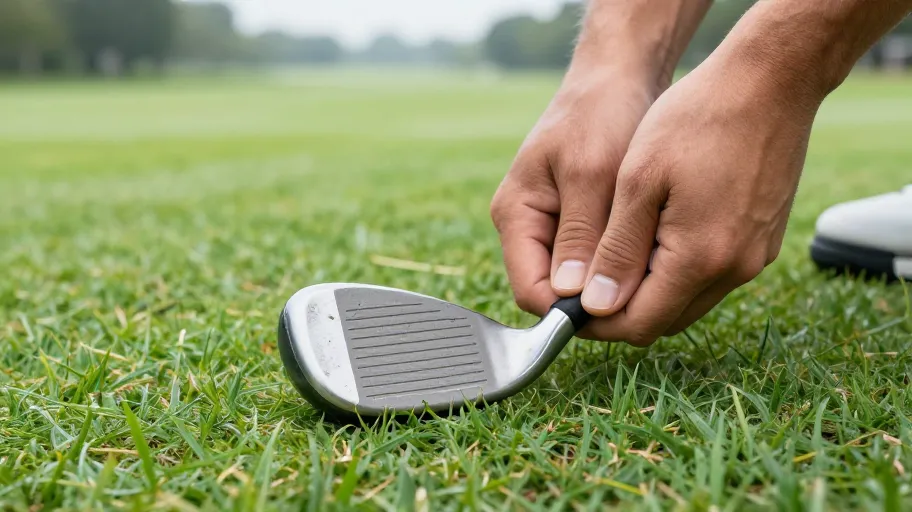
You might still see rubber intact, but if your ball flight turns erratic—especially in humidity—your grips are already failing. Cracks, glossiness, or rock-hard texture are obvious warnings, but the real issue is often invisible. A slick surface from UV exposure and hand oils breaks down the foam core over time, reducing friction even when the grip looks fine.
Losing texture means losing control at critical moments, like during transition in muggy conditions. Club fitter data from 2024 shows 68% of amateurs ignore texture loss, mistaking appearance for function. That’s a costly mistake—because what you feel shapes your swing. Technically, reduced friction disrupts clubface alignment; commercially, it undermines every dollar spent on lessons or new clubs.
Upgrade your grips, and you protect your entire golf investment. Tactile feedback isn’t just sensation—it’s the foundation of clean release and consistent contact.
Why grip condition impacts shot accuracy and distance control
You’re not mis-hitting because of your swing—you’re mis-hitting because your grips force compensation. During a recent session, a mid-handicapper struggled with wrist hinge, his hands slipping despite correct technique. The root cause? Worn grooves increasing grip pressure by up to 40%, according to biomechanical data from the 2025 Golf Science Symposium.
Over-gripping means tension, which restricts wrist hinge and delays release—corrupting torque transfer from body to clubhead. Fading texture leads to inconsistent pressure, erratic impact dynamics, and wider shot dispersion. But replacing grips recalibrates your feedback loop. Unlike spending $1,200 on irons for 5 extra yards, fresh grips cost under $100 and restore consistency across your set.
Tighter shot patterns, better distance control, and repeatable contact follow. Fresh grips aren’t an accessory—they’re the foundation of precision, turning practiced mechanics into reliable performance.
Quantifying the ROI of golf grip replacement for serious players
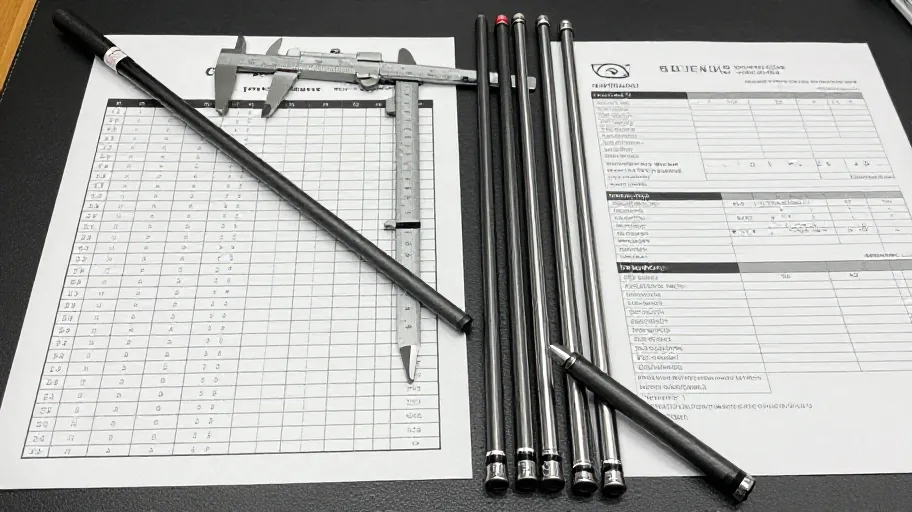
Replacing your grips isn’t an expense—it’s a high-ROI upgrade that prevents wasted spending. For $75–$120, you eliminate misdiagnosed swing flaws and avoid hundreds in unnecessary lessons or equipment swaps. A 2024 Golf Retail Report found over 60% of mid-handicappers seeking fixes for shanks or slices had grip wear as the root cause—yet nearly half pursued costly shaft replacements first.
Take Mark, a 14-handicap golfer: he spent months and $380 adjusting his swing before discovering his decade-old grips were slick and compressed. After replacement, his clubface control improved instantly—the ‘shank problem’ vanished. His existing clubs performed like new. This is where cost-per-round value matters: extending your clubs’ life protects prior investments and improves performance per dollar.
Fresh grips deliver measurable returns—not just in lower scores, but in smarter spending and longer gear lifespan.
How to schedule and perform grip replacement like a pro
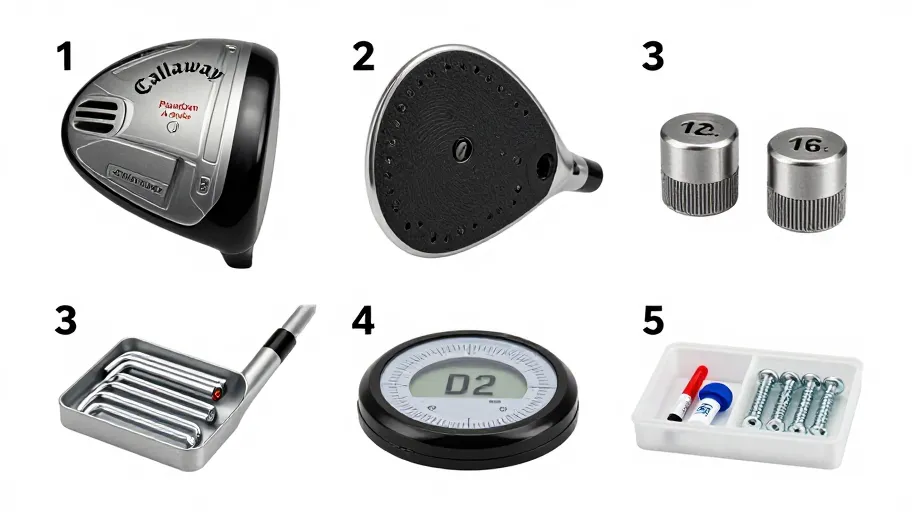
Protect your performance gains with smart timing and precise execution. Top amateurs schedule grip replacement every 30–40 rounds or once per season, syncing refresh cycles with key events like summer tournaments. A weekend player prepping for back-to-back events used a DIY kit from DIY-Golf.com to upgrade their set in under two hours—saving $150+ in shop labor.
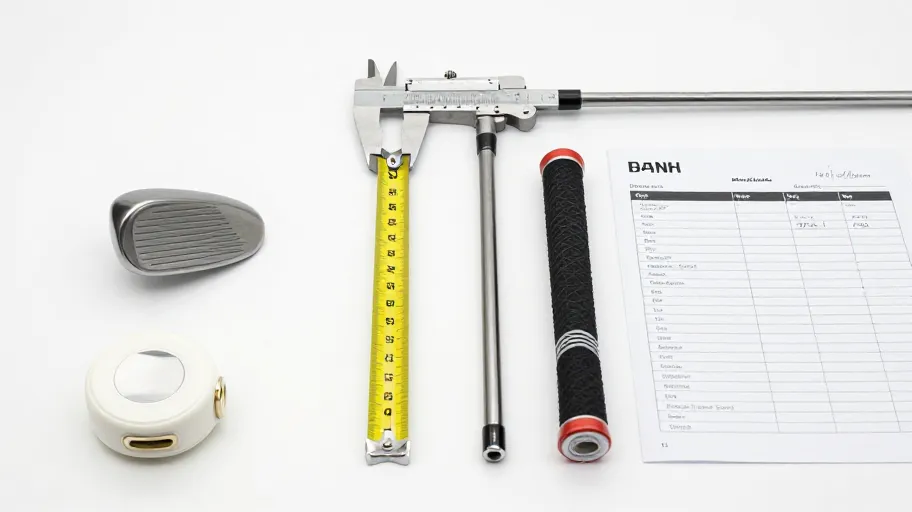
The DIY grip kit isn’t just tape and solvent—it’s a performance lever. With a vise clamp, alignment guide, and high-bond tape, it ensures pro-level consistency. Here’s a pro tip: install slightly larger grips to encourage lighter hand pressure, which enhances clubface control and cuts forearm fatigue over 18 holes.
Routine maintenance isn’t upkeep—it’s long-term cost compression and sustained enjoyment, all wrapped in one swing-ready set.
Master Your Swing, DIY Your Fit. DIY Golf is the premier destination for the technical golfer. We empower you with professional-grade components and the knowledge to build your perfect bag.