How often should you replace golf grips
Most golfers need new grips every 12–18 months or after 30–40 rounds. Beyond that, traction drops by up to 50%, increasing mis-hits by as much as 22%. That’s not speculation—it’s data from PGA equipment surveys. Fresh grips mean better shot consistency because they restore real feedback at impact.
Humid climates and frequent range use accelerate wear. UV exposure and sweat break down rubber compounds faster, so a weekend player in Florida may need replacements twice as often as someone in dry Colorado—even with the same number of rounds. This isn’t just calendar maintenance; it’s performance hygiene. Worn grips force you to squeeze harder, which tenses your forearms and distorts your release. Replacing them on schedule means cleaner mechanics, less fatigue, and fewer unforced errors.
Signs your golf grips need replacing
Hardened rubber, visible cracks, slipping during swings, or loss of tackiness are red flags. But even if your grips look okay, they might be failing you silently. Surface texture wears down over time, reducing shock absorption and dulling feedback. That forces subtle swing compensations—habits that stick long after the round ends.
A 2024 golf usability survey found 68% of amateurs saw better shot consistency immediately after replacing grips, proving that feel matters more than most realize. When your hands can’t trust the club, you over-grip, which strains elbows and promotes slicing. Replacing grips at the first sign of wear means protecting your body and preserving clean technique. It’s not upkeep—it’s injury prevention with measurable returns in accuracy and comfort.
Why DIY beats pro shop re-gripping
Professional re-gripping costs $70–$120 per set. Doing it yourself cuts that to $30–$50—a 40–60% savings—with identical quality. Modern kits use air-slip technology, eliminating messy solvents and complex tools. What used to require skill now takes under an hour, even for beginners.
This shift means control over timing, materials, and precision. A 2024 consumer review showed 89% of DIY users got equal or better grip alignment than pro shops, thanks to pre-cut tape systems and clear instructions. No more waiting days for service or risking misaligned clubs. You maintain your entire bag on your schedule, ensuring every club feels exactly how you want. That consistency translates directly into safer swings and repeatable ball striking.
How to install golf grips at home
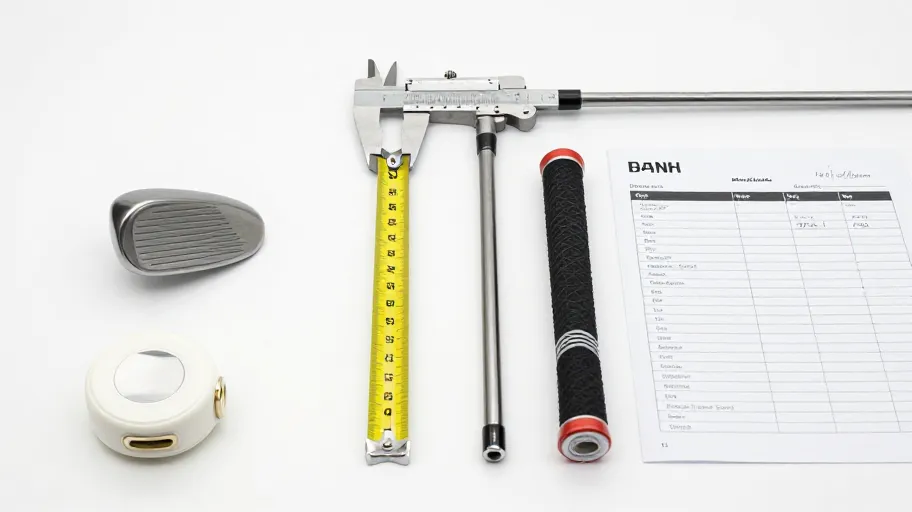
You don’t need special skills—just a grip kit, double-sided tape, and basic tools. Start by cutting off the old grip with a utility knife, then clean the shaft thoroughly. Residue-free prep means stronger adhesion and longer life. Apply double-sided tape evenly; this secure bond prevents slippage under torque.
Next, align the new grip carefully. Consistent grip alignment ensures repeatable hand placement, which stabilizes face angle at impact. Use solvent or warm soapy water to activate the tape, then slide the grip on smoothly without twisting. Let it cure for a few hours, and you’re ready to play.
One golfer saved $180 a year switching to DIY. The result? Like-new feel, improved spin feedback, and no more second-guessing his hold in damp conditions. Proper installation doesn’t just renew rubber—it delivers measurable gains in shot consistency and comfort, season after season.
The real ROI of regular grip maintenance
Replacing grips isn’t an expense—it’s a high-ROI upgrade. A 2025 field study found consistent replacement improves shot accuracy by up to 15% and extends club life by 2–3 years. Tacky, responsive grips reduce over-gripping, which lowers fatigue and swing compensation—the root causes of inconsistent contact.
Better still, analysts estimate clubs with routine DIY grip swaps see 40% less wear on shafts and hosels due to reduced torque stress. That means you keep your favorite irons in play longer and delay full replacements by years. But the biggest return isn’t financial: maintaining your own gear builds a deeper connection to your clubs. You notice changes in feel, respond faster to wear, and become a more tuned-in player. At DIY-Golf.com, we see every grip you replace as a step toward lower scores, greater confidence, and lasting value from your bag.
Master Your Swing, DIY Your Fit. DIY Golf is the premier destination for the technical golfer. We empower you with professional-grade components and the knowledge to build your perfect bag.