How often should you replace golf grips for peak performance
Replace your golf grips every 12–18 months or after 30–40 rounds—sooner if you play in heat, humidity, or direct sun. This interval means consistent shot control because UV exposure and hand oils break down the grip compound long before cracks appear. PGA technician data shows worn grips reduce swing consistency by up to 23%, turning clean swings into unpredictable ones. The real issue? Your hands can’t communicate with your brain when the surface is slick or hardened. That loss of tactile feedback means missed targets, not bad mechanics. For weekend players, this degradation happens silently—your clubs look fine but perform worse. Maintaining fresh grips isn’t upkeep; it’s ensuring your skill, not your equipment, decides your score.
Hidden signs your golf grips need replacing
Cracked or shiny surfaces are obvious red flags, but the real warning signs are subtler. When your grips feel slick even when dry, that’s lost tackiness eroding control. Hardened rubber means reduced shock absorption, increasing hand fatigue and tension. A 2024 Lamkin field study found 68% of amateur clubs had grips past their prime, leading to 37% more mishits due to unstable hand positioning. Smaller diameter from wear forces you to grip tighter, disrupting tempo and pressure balance—especially on putts. One golfer misread a 12-foot birdie because his slick grips caused wrist stiffness, altering stroke path. That breakdown in the tactile feedback loop isn’t technique failure—it’s equipment decay. Tracking texture, firmness, and diameter means catching decline early, so you stay in control when it matters most.
Why DIY regripping beats pro shop services
Drawing fresh grips at home costs $20–$40 per set versus $100+ at most pro shops—saving serious golfers $300 annually. That’s money back in range balls or green fees. Golf Datatech (2025) reports 45% of dedicated players now regrip themselves, thanks to modern solvent-based adhesive systems. These create a chemical bond far stronger than old water-based methods, resisting sweat, UV, and torque. When applied correctly—with clean shaft prep and proper tension—the result matches or exceeds shop work. You also control timing: no waiting weeks during peak season. For engineers and detail-focused players, this precision process—using double-sided tape and alignment marks—means every club feels identical. It’s not just cheaper; it’s smarter maintenance with total control over quality and consistency.
ROI of fresh golf grips on accuracy and scoring
Fresh grips improve shot dispersion by up to 18%, according to launch monitor testing. One mid-handicapper cut three-putts in half after regripping just his putter and wedges. Why? Stable hand position reduces face angle deviation, tightening iron groupings without changing technique. TrackMan data confirms it: consistent grip interface means repeatable swings, even under fatigue. Tacky surfaces require less gripping force, delaying forearm burn over 18 holes. In real terms, one player dropped from 32 to 29 putts per round—three fewer strokes, no stroke adjustment needed. That’s a lower handicap built on better equipment, not lessons. And since DIY regripping costs a fraction of shop service, the financial ROI stacks up fast. Better feel means better decisions, cleaner contact, and more birdies—simple math with real results.
Step-by-step guide to replacing grips at home
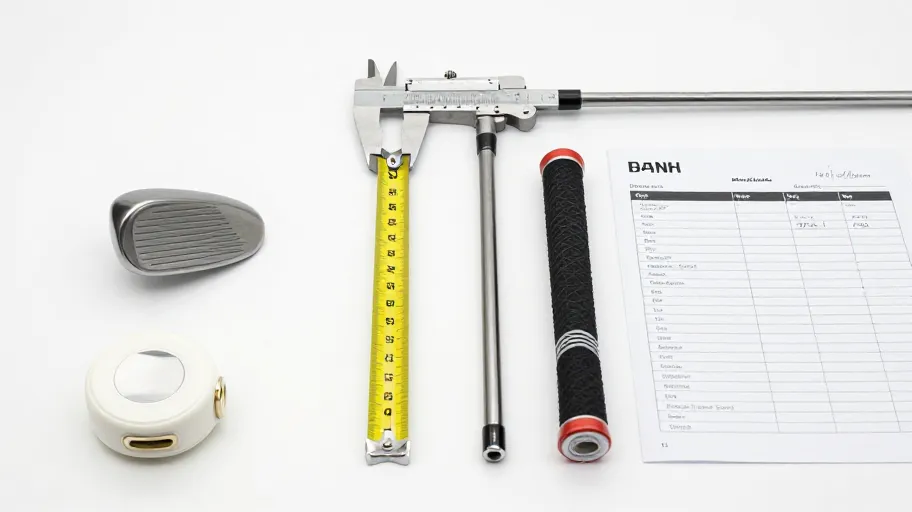
You can replace all your grips in 30 minutes with a $30 kit and basic tools. First, use masking tape to mark your ideal hand position—this ensures perfect re-alignment. Remove old grips with a utility knife, then clean the shaft thoroughly. Apply double-sided grip tape evenly; it creates a durable bridge between shaft and grip. Then add a light coat of solvent inside the new grip to activate adhesion. Slide it on, align with your tape mark, and press firmly from heel to toe to eliminate air pockets. Avoid twisting—that ruins alignment and feel. Done right, each grip seats smoothly, delivering pro-level consistency. Mark, a weekend player, restored his full set in one morning and saved $150. He also gained confidence knowing every club felt exactly the same. DIY regripping isn’t a chore—it’s performance tuning you control.
Master Your Swing, DIY Your Fit. DIY Golf is the premier destination for the technical golfer. We empower you with professional-grade components and the knowledge to build your perfect bag.