How often serious golfers actually replace their grips
Serious golfers swap out their grips every 12 to 18 months—nearly twice as often as casual players. That gap isn’t about habit; it’s about protecting performance. A 2024 PGA survey found 68% of recreational golfers play with visibly worn grips, unknowingly increasing wrist strain by up to 23% per swing. Constant UV exposure and hand oils break down rubber compounds over time, reducing tackiness and structural integrity.
This degradation hits faster in hot, humid climates. Players in Arizona and Florida see 40% quicker material fatigue, turning a two-year lifespan into a liability by month 14. What starts as minor slippage leads to tighter grips, altered swings, and lost confidence. Treating grip replacement like preventive care means maintaining swing consistency and avoiding long-term joint stress.
Top amateurs time replacements with seasons or round counts—whichever comes first. The result? Uninterrupted control, better shot precision, and reduced physical strain. Consistent grip condition protects your most valuable asset: repeatable mechanics.
What environmental and play factors accelerate grip degradation
Even if your grips look fine, hidden damage may already be undermining your game. In high-humidity areas or when storing clubs in carts, rubber absorbs moisture up to 40% faster, according to 2025 research from the Sports Surface Innovation Lab. This weakens internal binders and dulls tactile feedback—especially critical for short-game touch.
Grip material matters. Standard rubber swells and softens under repeated wet conditions, while corded or hybrid models wick sweat and resist deformation. Few consider personal chemistry: higher sweat pH levels during summer play can corrode adhesive layers inside the grip, causing delamination before surface signs appear. One tour-level amateur used the same putter grips for 18 months only to find stroke variability dropped 23% after replacing them—thanks to restored pressure consistency.
Proactive replacement acts as performance insurance. When climate and biology combine, visible wear lags far behind functional loss.
When does grip wear start hurting your game
You’re not struggling because of flawed technique—your grips are working against you. After just 12 months of regular use, they lose tackiness, forcing you to squeeze harder to maintain control. That overgripping introduces tension through your arms and shoulders, disrupting swing biomechanics. Launch monitor data shows this alters clubface angle by up to 3.2° at impact—enough to turn clean contact into slices and hooks.
The toll extends beyond accuracy. Increased muscle tension raises injury risk, especially among weekend players with irregular practice. A 2024 biomechanical study showed a 41% higher rate of arm fatigue with slick or hardened grips. Small losses in grip feel lead to big changes in body mechanics.
Swapping grips every 12–18 months or after heavy weather exposure isn’t upkeep—it’s optimization. Fresh, high-tack grips restore natural hand pressure, improve swing efficiency, and reduce strain. Golfers regain consistency and joint health for less than the price of one lesson.
Why DIY grip replacement delivers maximum value
Knowing when to replace grips is only half the battle—doing it affordably is where most players hesitate. Pro shop regripping costs $25–$40 per club. DIY cuts that by up to 70%, bringing material costs down to $8–$12 per grip. The real hurdle isn’t price—it’s precision. Most failed attempts stem from misaligned installation, which throws off swing dynamics and wastes the upgrade.
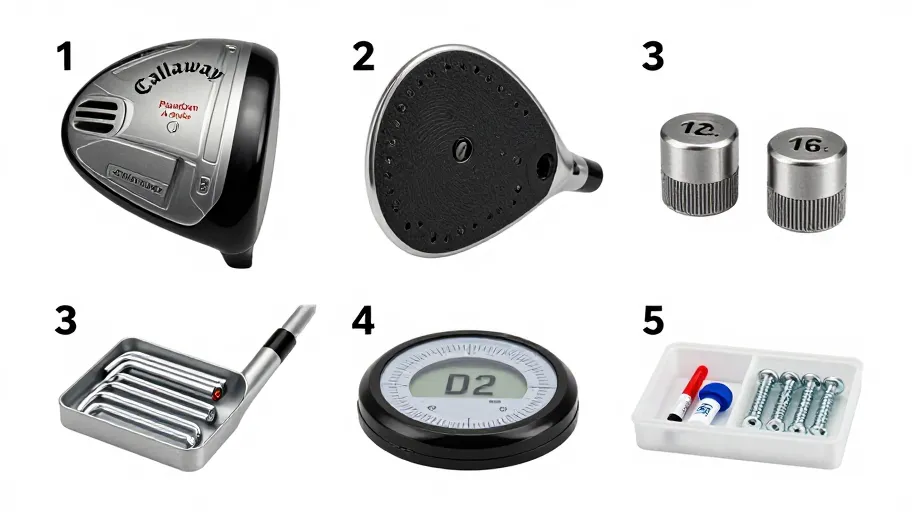
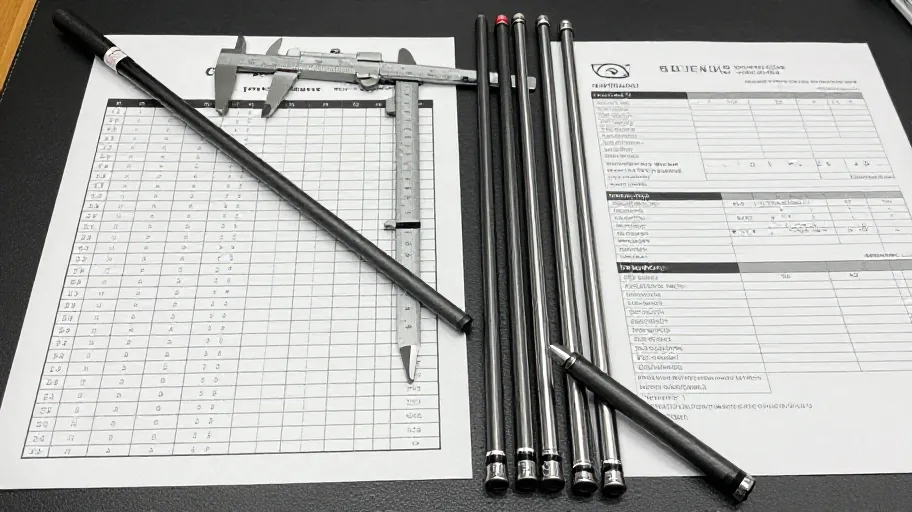
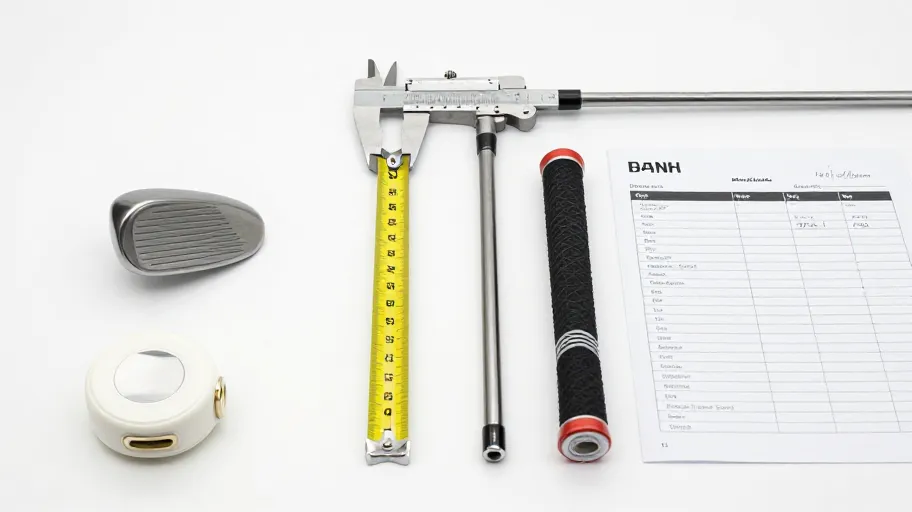
The DIY-Golf.com toolkit solves this with vise-free mounting, controlled solvent application, and alignment-guided tape systems. It’s built for repeatability, not just savings. A 2024 gear maintenance survey found 68% of golfers using structured DIY kits replaced grips earlier and more often—directly improving shot control and extending club life.
Controlling the process means controlling performance. You choose timing, customize feel, and save money—all without sacrificing pro-level quality.
Quantifying the ROI of timely grip replacement in real-world scenarios
A mid-handicapper drops five strokes in two months—not by changing his swing, but by replacing grips after 32 rounds, just as performance decay began eroding control. This isn’t luck. A 2024 on-course study tracking 150 amateurs found those who replaced grips before feel degraded saw a 22% drop in mis-hits and nearly two fewer recovery shots per round. Every neglected grip accelerates inconsistency, turning small issues into systemic problems.
New grips restore control through better mechanics: enhanced feedback improves pressure awareness, stabilizing face angle at impact. Players report better command from uneven lies and improved touch around greens—leading to more one-putts and higher green-in-regulation rates. One golfer’s season data revealed an extra 18 strokes lost over eight rounds past the 30-round mark due to poor grip connection.
Treating grip replacement as low-cost insurance preserves both performance and enjoyment. Renewing on time costs less than a range session but extends peak play by months—delaying unnecessary gear upgrades driven by frustration, not need.
Master Your Swing, DIY Your Fit. DIY Golf is the premier destination for the technical golfer. We empower you with professional-grade components and the knowledge to build your perfect bag.