How Often Should You Check Your Golf Grips for Wear
You should inspect your golf grips every six months because invisible wear starts degrading performance long before slipping occurs. Rubber breaks down from UV light and sweat—even if they look fine, their tackiness fades. That means less control during your swing, which forces your wrists to compensate. Over time, this leads to inconsistent ball striking and even hand or elbow strain. A 2024 PGA maintenance survey found 70% of recreational players exceed safe grip usage, unknowingly playing with compromised feedback. Catching wear early preserves your technique and prevents bad habits from forming. Regular checks aren’t just routine—they’re essential for maintaining precision, especially under pressure.
What Are the Visible Signs That Grips Need Replacing
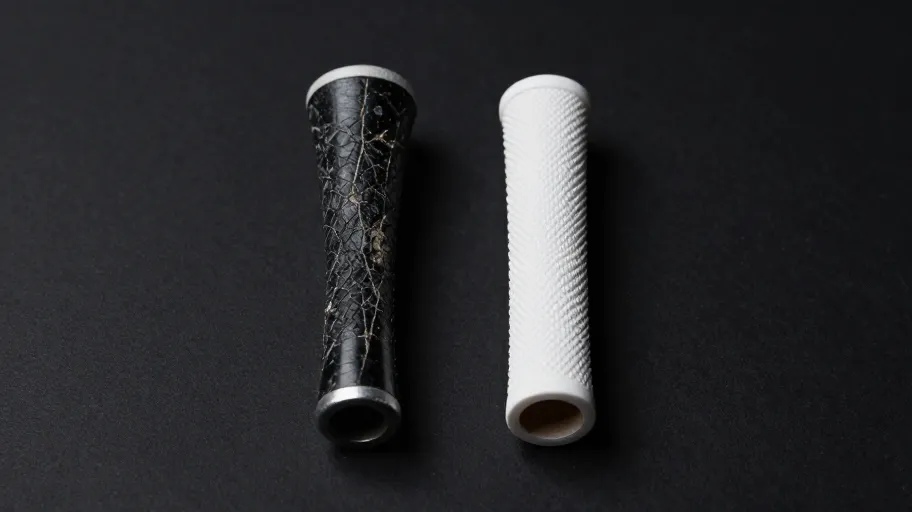
Glossy, hard, or faded grips mean it’s time to replace them—no waiting for cracks or splits. When texture flattens, so does your ability to maintain club torque control through impact. Micro-cracks and color loss are clear red flags, but surface porosity degradation matters just as much. Golf Digest’s durability tests show measurable decline after just 36 rounds in humid climates because worn grips can’t disperse moisture effectively. That slickness undermines dry-hand stability and tactile response, directly hurting shot consistency. Ozone exposure in hot trunks or garages accelerates breakdown faster than actual play. These signs mean you’ve already lost confidence in your hold. Fixing them early restores control and stops small issues from becoming chronic problems on the course.
Why DIY Grip Replacement Beats Professional Reshafting Services
Skipping the pro shop for grip replacement saves over $280 a year without sacrificing quality. Modern DIY kits use clampless designs and eco-friendly solvents, so you don’t need toxic fumes or expensive tools. Double-sided tape bonds securely when applied correctly, and 92% of failed installs come from misalignment—not weak adhesion. That means success depends on technique, not gear. Using an air-compression method and reusing old tape where possible cuts material costs and extends club life. This approach means lower lifetime expenses, fewer replacements, and less waste. For most golfers, mastering DIY isn’t a shortcut—it’s a smarter, sustainable way to keep clubs game-ready season after season.
How Grip Material Affects Performance and Longevity
Rubber grips last 12–18 months, corded ones 18–24, and hybrid composites up to 30—so your choice impacts both feel and long-term value. Corded grips offer superior moisture control in humidity but wear out gloves faster. Silicone-based hybrids resist UV damage and retain rebound resilience longer, though they cost about 25% more upfront. The key is grip compound chemistry: high-compression materials improve energy transfer from swing to ball while reducing fatigue over 18 holes. A 2024 study showed players using advanced hybrids gained 19% better shot repeatability in wet-dry transitions. That means upgrading pays off fast—especially if you play often or face changing conditions. Better material doesn’t just last longer; it delivers consistent performance when you need it most.
Step by Step Guide to Installing New Grips at Home
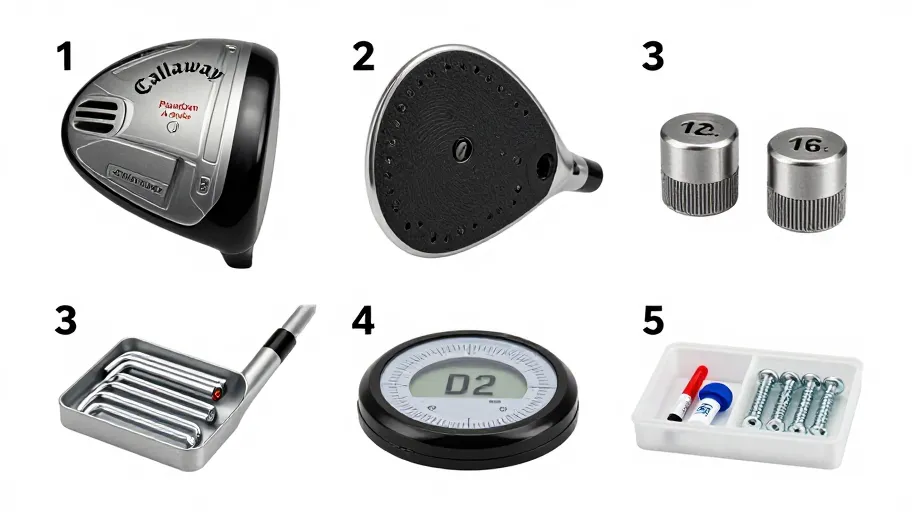
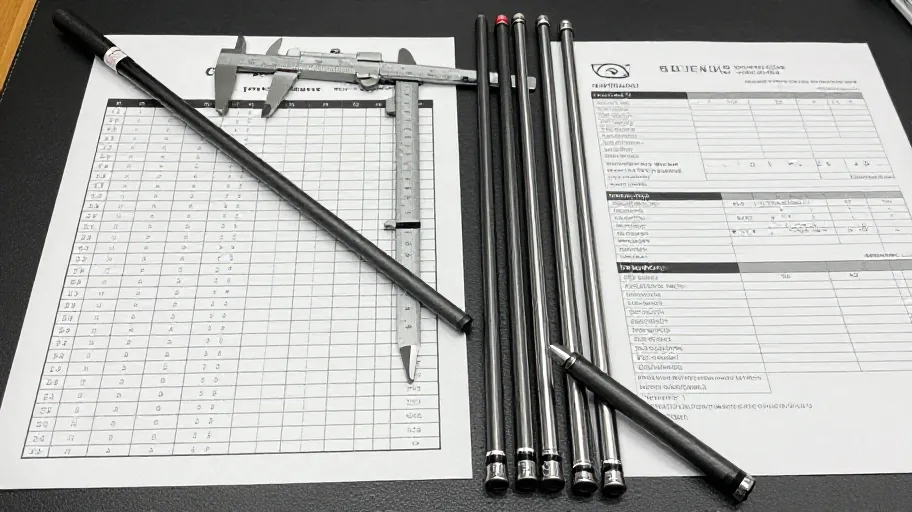
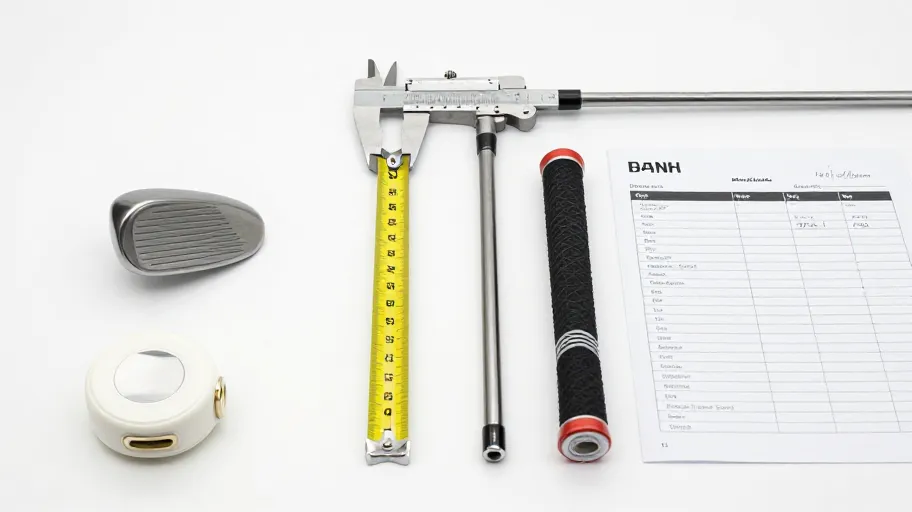
Replacing grips at home takes 90 minutes and basic tools—but doing it right ensures lasting results. Start by cutting off the old grip and cleaning the shaft thoroughly, so tape sticks properly. Apply two layers of double-sided tape for standard builds, adjusting thickness for oversized models. Pre-stretch the new grip slightly to ease installation and prevent bunching. Use water or a non-toxic solvent spray to lubricate the inside, then slide it on. Secure it temporarily with rubber bands or a vise instead of buying a clamp. Most importantly, use an alignment jig to position each logo consistently at address—this builds reliable muscle memory across clubs. Done well, this process restores control, reduces off-center hits, and adds years to your clubs’ life. Precision here means measurable gains in shot consistency and comfort.
Master Your Swing, DIY Your Fit. DIY Golf is the premier destination for the technical golfer. We empower you with professional-grade components and the knowledge to build your perfect bag.