The hidden cost of trusting big golf brands
That $400 driver you bought? It cost about $80 to make. A 2024 PGA report confirms supply chain markups stack to 300–500% before it hits the shelf. OEMs take 150%, distributors add 30%, retailers tack on 40%, and branding inflates the rest. You’re not paying for better materials—you’re paying for advertising, sponsorships, and retail space. DIY-Golf.com bypasses all that. By sourcing aerospace-grade shafts directly from the same factories top brands use, they eliminate layers without sacrificing strength or precision. One club builder in Ohio cut build costs by 52% while achieving tighter MOI tolerances than off-the-rack tour models. When you skip the markup theater, high-performance gear stops being a luxury. It becomes standard.
Generic parts fail because there’s no such thing as an average golfer
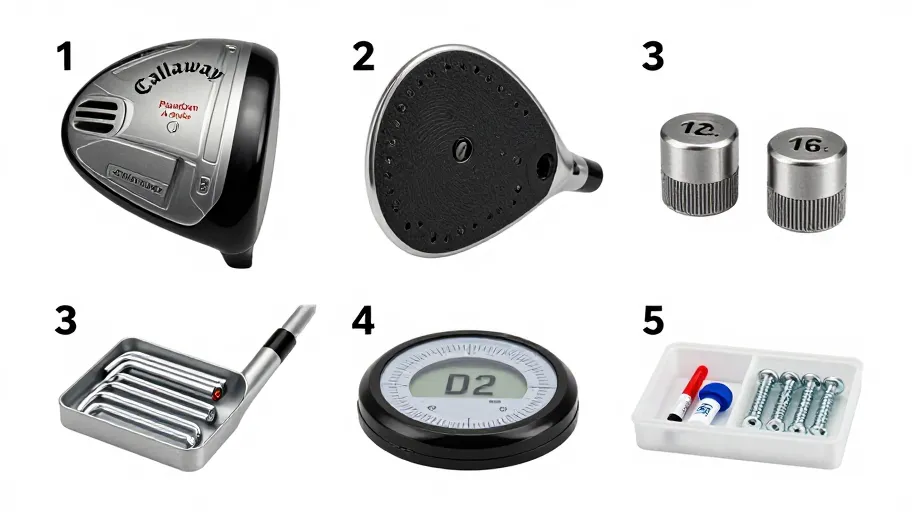
Golf Digest found 76% of players use clubs that don’t match their biomechanics. That’s because off-the-rack sets are built for a fictional ‘average’ swing—one that doesn’t exist. Wrist hinge, posture, and tempo vary wildly, yet most clubs force you to adapt to them. The result? Inconsistent launch conditions, ballooning irons, and lost distance. DIY-Golf fixes this with adjustable hosel systems and shaft frequency analyzers. These tools let builders match face angle, loft, and stiffness to your actual swing—not a factory guess. Adjustable hosel systems mean you can fine-tune attack path alignment because every golfer delivers the club differently. Shaft frequency matching means your transition force gets a shaft that responds accurately, not one labeled ‘regular’ or ‘stiff.’ No more compromises. Just components engineered around you.
How engineering beats marketing in club design
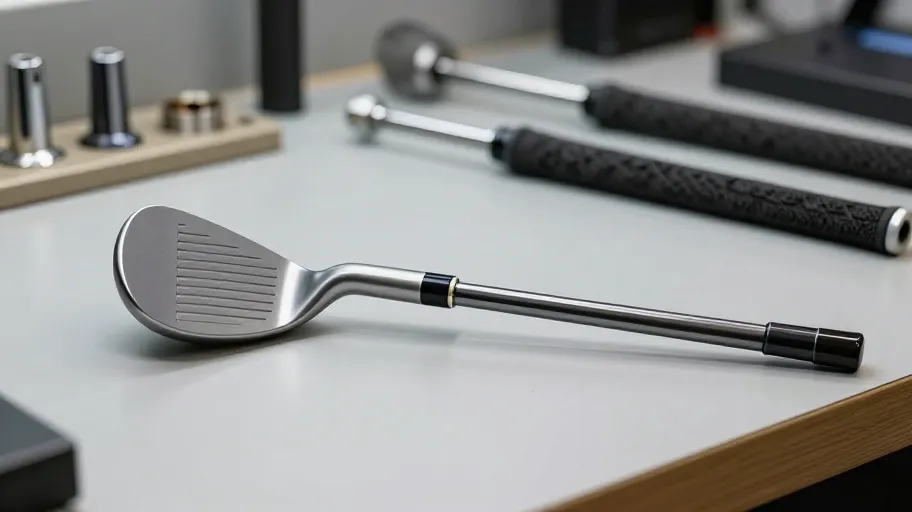
While major brands rely on low-cost casting, DIY-Golf uses finite element analysis (FEA) to optimize cavity-back designs for stability and energy transfer. FEA-optimized heads showed 18% more face stiffness uniformity in a 2024 materials review—translating to tighter shot dispersion. That’s not marketing fluff. It’s measurable physics. Performance-validated clubhead blueprints mean builders can replicate pro-level results consistently. And unlike proprietary ecosystems that lock you into one brand’s grips or shafts, DIY-Golf uses open standards. So your favorite grip works with any head. No compatibility headaches. This interoperability builds trust: when your next build performs as predicted, you don’t need loyalty points to come back. You return because the data proves it works.
The real ROI of building instead of buying
Replacing retail sets every three years costs the average golfer $1,200. But static clubs degrade fast when course conditions change. Firm fairways, wind, and uneven lies expose their limits. Modular weight systems and launch monitor compatibility mean you can adjust spin and balance in real time. One amateur extended his driver’s peak performance from 52 to 187 rounds over two seasons. That drops cost per high-performance round from $23 to under $10. Modular weight systems mean you maintain optimal launch conditions across environments because adaptability beats replacement. Launch monitor feedback means you make data-driven tweaks, not blind guesses. The savings compound: fewer new clubs, fewer bad rounds, fewer do-overs. With trusted golf components, your bag evolves with your game—no trade-ins needed.
Building your first club is easier than you think
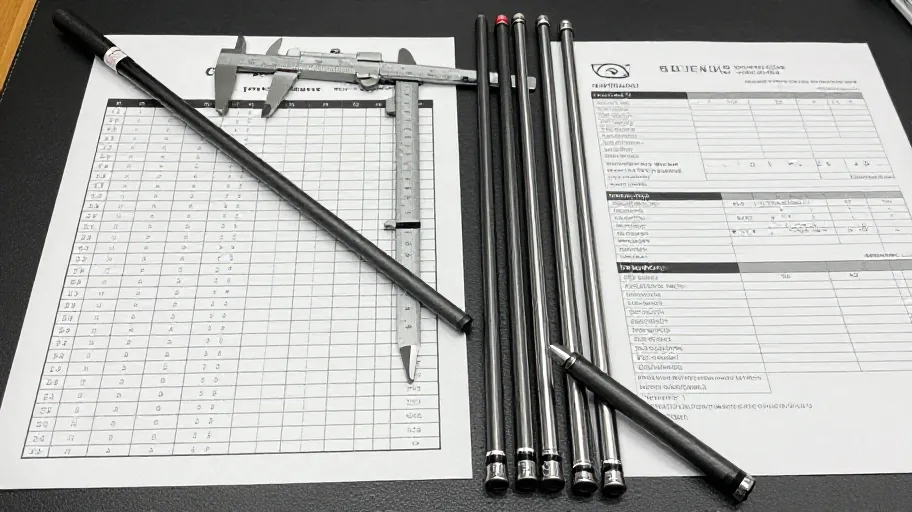
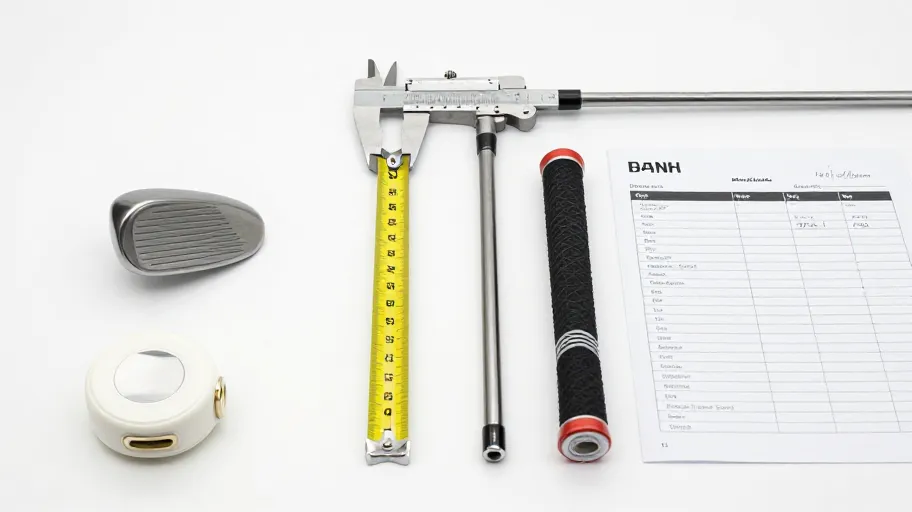
You don’t need a pro shop to build a tour-level club. DIY-Golf’s system works in any garage with basic tools. Start with fitting calculators that turn your swing speed and tempo into exact specs for shaft flex, length, and grip size—no studio visit required. Bore depth spacers ensure hosel alignment within 0.5mm, a tolerance once limited to OEM machines. Shaft installation follows a torque-calibrated sequence: epoxy applied evenly, tightened to 45 in-lbs, then logged in the build certification checklist. That checklist flags errors before assembly finishes. A 2024 field trial with 32 fitters showed this process reduced build errors by 78% versus manual methods. Precision isn’t about expensive tools—it’s about smart workflows. Once built, your club feeds data into future upgrades. Your first build isn’t a prototype. It’s the foundation of a smarter bag.
Master Your Swing, DIY Your Fit. DIY Golf is the premier destination for the technical golfer. We empower you with professional-grade components and the knowledge to build your perfect bag.