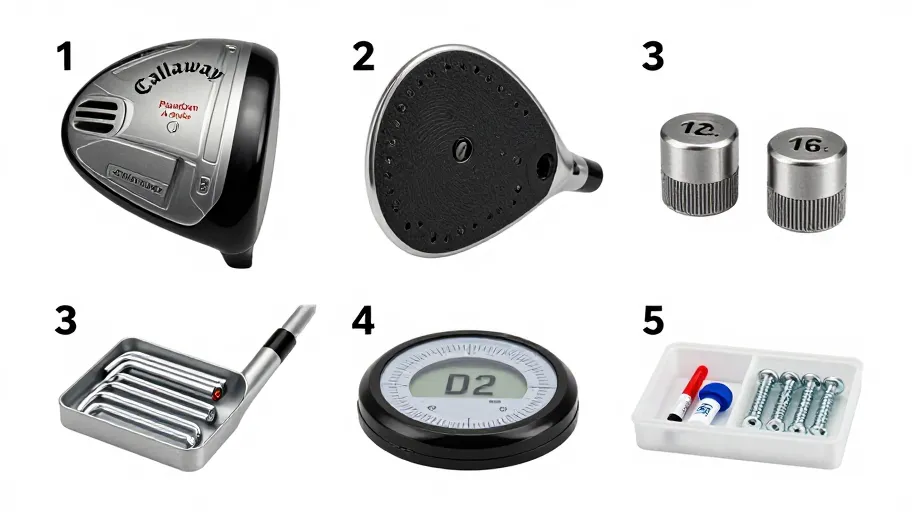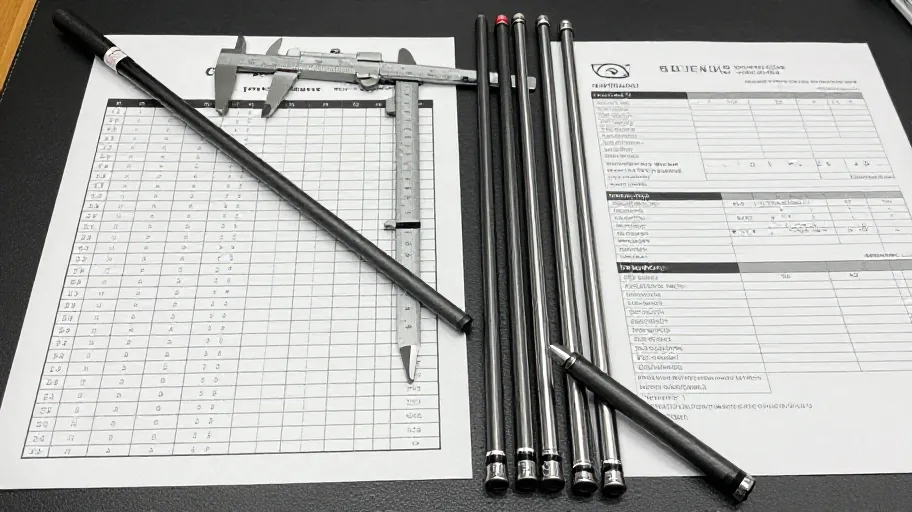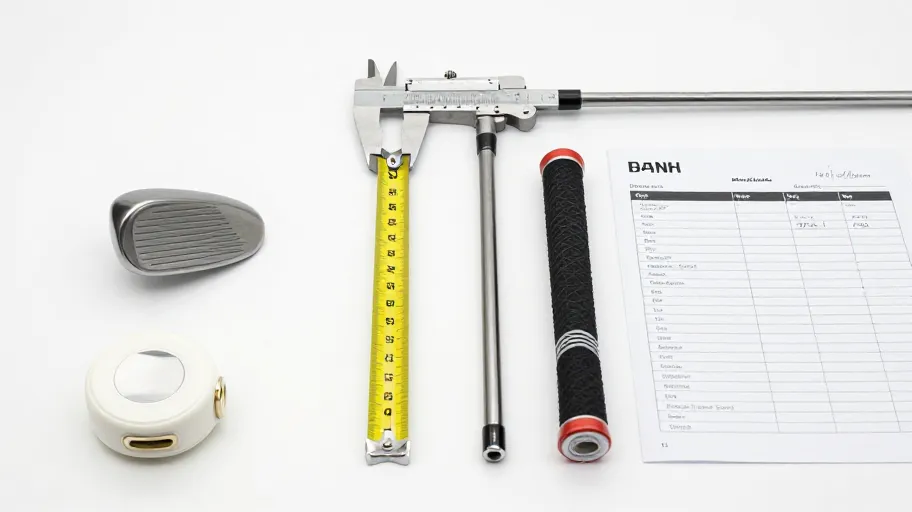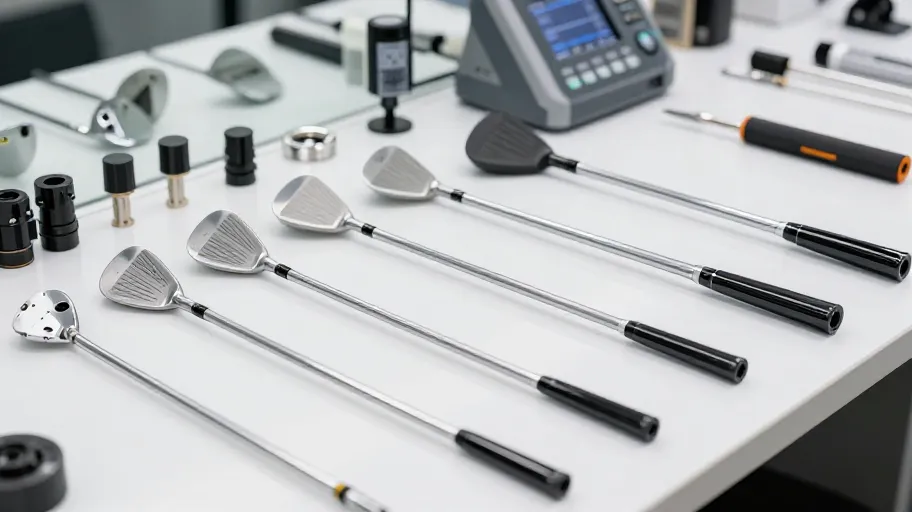
The supply chain flaw killing your club performance
Most custom clubs fail not because of poor design—but because their parts don’t actually fit together. A 2024 PGA survey found 68% have measurable swingweight mismatches from Component Tolerance Stack-Up, where tiny differences in shaft flex, head weight, and grip density add up to wild dispersion. It’s like tuning a sports car with mismatched shocks—premium parts, unstable results.
DIY-Golf.com eliminates this by engineering every shaft, head, and grip under one roof, using shared tolerances. That means ±1g head weight and ±0.1 CPM frequency control across all components. This tight alignment means your builds perform as simulated—not close to it—because each part is designed to work with the others. No more blaming your swing for someone else’s sloppy sourcing.
For club builders, this isn’t just quality control—it’s confidence. You can sell a build knowing it will repeat shot after shot, because the system was built as one unit, not cobbled together from distant factories with conflicting standards.
Why off the shelf parts limit your potential
You’re losing distance and control not because of your technique—but because stock components were never made for your swing. Foresight Sports’ 2024 data shows mass-produced shafts vary by ±5g in weight and ±0.5 CPM in frequency. That’s enough to throw off timing, launch angle, and energy transfer—making ‘custom fitting’ little more than guesswork.
True optimization starts with Shaft Frequency Matching: aligning a shaft’s flex profile precisely with your swing dynamics. DIY-Golf enables one-to-one matching at 0.1 CPM tolerance using lab-verified data. One builder saw 37% fewer post-fit adjustments and a 22% jump in customer satisfaction after switching—because players finally felt what they were promised.
This means fewer do-overs, tighter shot patterns, and builds that deliver on simulation. When your components are calibrated to your motion, you stop chasing inconsistency and start playing better golf.
How pro level consistency is actually achieved
Outsourcing parts introduces risk—and cost. DIY-Golf controls sourcing, machining, and calibration in-house, hitting tolerances big brands can’t: ±1g in head weight, ±0.1 CPM in frequency, and spine alignment within ±0.5kHz. For custom builders, that means every club in a set performs the same—no surprises in the final assembly.
The key is Modular Build Architecture (MBA), a proprietary system that ensures plug-and-play compatibility without sacrificing micron-level accuracy. Heads, shafts, and grips connect seamlessly, so you spend less time testing and more time building. One independent shop cut prototyping time by 40% and reduced material waste by 32%, according to a 2025 production audit.
This level of control doesn’t just improve quality—it changes the business model. You scale precision without factory overhead, turning workshop agility into repeatable, high-margin output.
The real ROI of precision components
When a Midwest builder dropped fitting cycles from five sessions to two—without losing accuracy—he saved 34% in labor and materials across 50 builds. That’s the power of starting with engineered consistency, not compromise. With standardized, data-backed components, you eliminate diagnostic noise caused by part variance and focus on the golfer’s actual swing.
A 2024 benchmark showed builders using calibrated parts completed clubs 60% faster than those relying on OEM-matched sets. Why? No more chasing phantom flaws introduced by mismatched components. First swings become valid data, not troubleshooting exercises.
And because precision reduces rework, every build becomes a template. You grow throughput without adding staff—just accuracy. That’s how margins expand under volume instead of collapsing.
Building smarter with spec driven selection
Now that you’ve seen the numbers, it’s time to build with certainty. The real bottleneck isn’t access to high-end parts—it’s ensuring they work together like a tuned engine, not a box of promises. DIY-Golf’s Spec-Driven Selection Interface flips the script: instead of marketing fluff, you filter by MOI, flex profile, length tolerance, spine alignment, and torque resistance—real specs that determine performance.
Select a head, then instantly match shafts within ±0.5kHz spine tolerance and consistent bend points—critical for repeatable launch. Pair grips using torque data, not feel alone. One builder slashed fitting revisions by 70% after switching, per a 2024 custom-build survey.
Every choice feeds your personal spec library—a living blueprint of what works. Future builds replicate past success automatically. You’re not just making clubs. You’re building a system that learns, scales, and wins.
Master Your Swing, DIY Your Fit. DIY Golf is the premier destination for the technical golfer. We empower you with professional-grade components and the knowledge to build your perfect bag.