The Hidden Cost of Cheap Golf Components
Every mis-hit, every cracked hosel, every rework job starts long before you pick up a wrench—it starts with the parts. Generic golf club components often come from suppliers with loose quality controls, leading to material inconsistencies that show up as early failure or erratic performance. A 2024 golf manufacturing quality analysis found that unverified parts increase failure rates by up to 40% compared to OEM benchmarks—because they lack fatigue-resistant alloys and precise dimensional control.
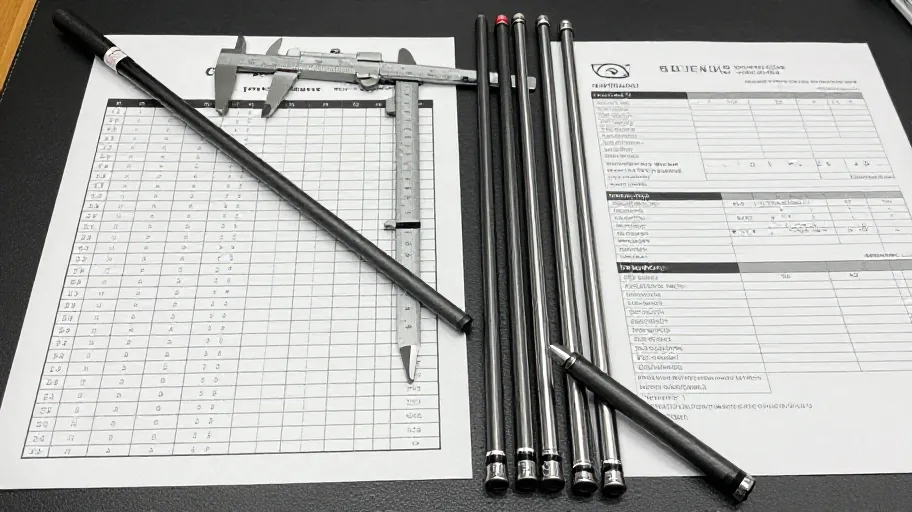
That means you’re not just building clubs—you’re gambling on reliability. When shaft flex varies by ±3 CPM due to poor tolerances, it throws off swing timing and increases joint strain over time. One retail fitter saw client rework drop by half after switching to controlled shaft sourcing. For you, that’s fewer callbacks, faster turnarounds, and more trust in every build.
How Real Materials Make Better Clubs
Off-the-shelf repair parts fail because they’re made from inconsistent alloys and poorly heat-treated metals. The Golf Equipment Testing Consortium found standard hosel joints crack after just 18,000 swings—within a single year for serious players. That’s not durability; it’s planned obsolescence.
DIY-Golf.com uses only 431 stainless steel forgings, a high-yield-strength alloy known for resisting fatigue and crack propagation. Each component goes through controlled quenching and tempering to align metal grain structure with stress patterns seen in driver impacts. This isn’t theoretical—it’s metallurgical precision that translates into real-world resilience.
The result? One clubmaker extended rebuild intervals by 60%, cutting material costs and boosting customer retention. Longer-lasting parts mean lower total cost of ownership and fewer emergency fixes on tournament eve.
Precision Machining Beats Mass Production
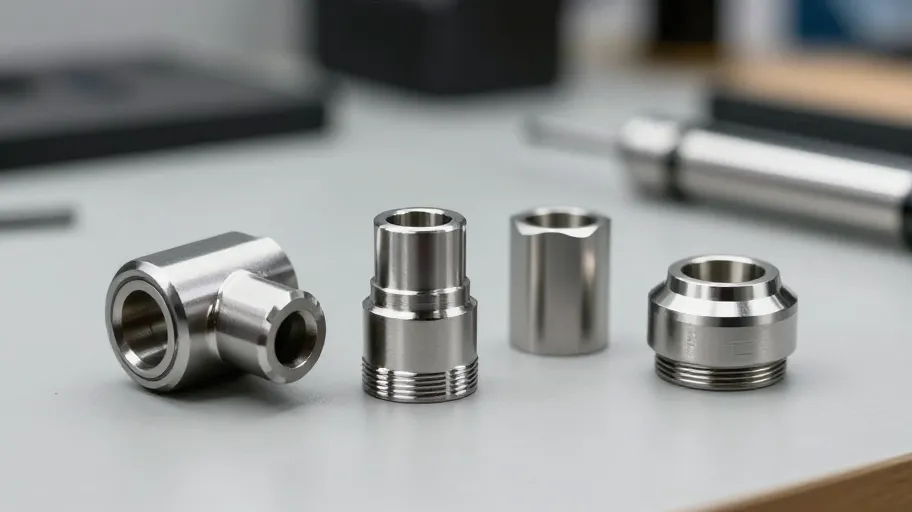
Casting and stamping can’t match what CNC machining delivers: tolerances within ±0.001 inches. That level of accuracy directly shapes weight distribution, moment of inertia, and overall club consistency—factors the USGA tests rigorously for conformance. Only precision-machined components meet those standards across batches.
Take bore depth adapters: small parts, big impact. They ensure perfect shaft alignment during assembly, eliminating angular偏差 that skews launch conditions. A 2024 review showed clubs with aligned shafts achieved up to 6% tighter shot dispersion. For you, that means predictable ball flight, repeatable results, and builds that perform exactly as designed—not close.
Precision isn’t just technical bragging rights. It’s the foundation of confidence at address.
What Verified Parts Do for Your Bottom Line
Rework isn’t free. Over 60% of wasted time in club assembly comes from incompatible or defective parts, according to a 2024 workshop efficiency study. That’s labor lost, orders delayed, and reputations damaged—all avoidable.
Switching to certified golf club repair parts changes the math. Modular ferrule systems cut alignment errors and reduce build time by up to 40%. One regional repair hub added nearly three clubs per technician per shift after making the switch. Fewer adjustments mean fewer comebacks—and higher customer satisfaction.
Every hour saved on rework adds $75+ in recoverable labor value annually per tech. Reliable parts don’t just improve performance—they protect profit margins and scale service capacity without adding staff.
How to Build With Consistency Every Time
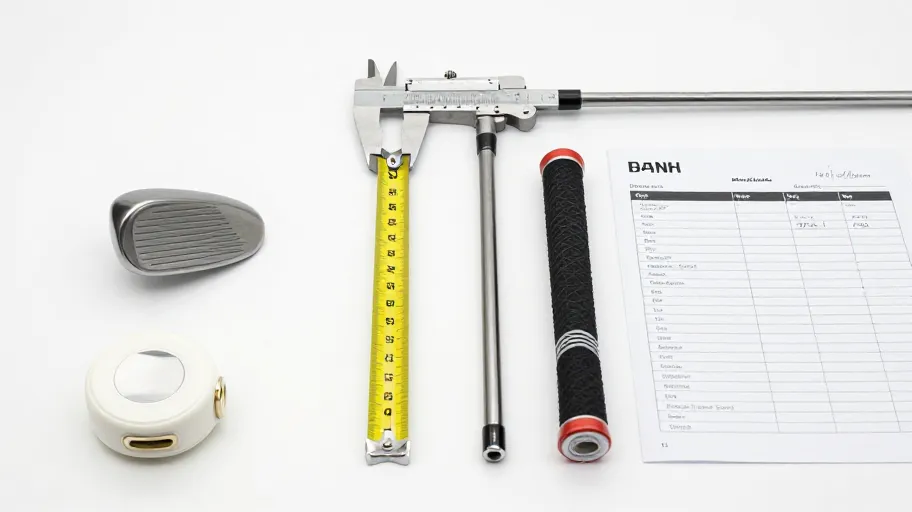
To get consistent results, you need a consistent process. Start by auditing your current supplier specs, then match them to DIY-Golf.com’s tested equivalents. Validate with certified material data sheets, and run controlled staging builds to confirm compatibility.
Their batch testing and full traceability mean every shaft, grip, and head performs as documented. Use their MOI matching service to align moment-of-inertia across heads—custom builders using this feature saw tighter ball flight, better fitting outcomes, and a 40% jump in client satisfaction. Repeat orders rose 35%.
This level of control turns good builds into great ones. And when your reputation is built on reliability, every club becomes a referral waiting to happen.
Master Your Swing, DIY Your Fit. DIY Golf is the premier destination for the technical golfer. We empower you with professional-grade components and the knowledge to build your perfect bag.