Why tiny weight shifts change everything
Shifting your club’s balance by just 2–3 grams changes where the center of gravity sits, which directly alters launch angle, spin rate, and curvature. That means off-center hits stay straighter, because the gear effect—the horizontal spin created when you don’t strike the sweet spot—is minimized with better heel-toe balance.
For a weekend golfer fighting a slice, this isn’t always a swing flaw—it’s often a misaligned center of gravity. USGA studies confirm that optimizing Moment of Inertia (MOI) through precise weighting reduces shot dispersion by up to 18%. A well-balanced head corrects mis-hits before they become penalties. Modern adjustable drivers and irons now embed micro-weight systems so any player can fine-tune their CG. What once required a custom fitting lab is now built into your clubs—turning precision into an everyday edge.
How adjustable weights work under the hood
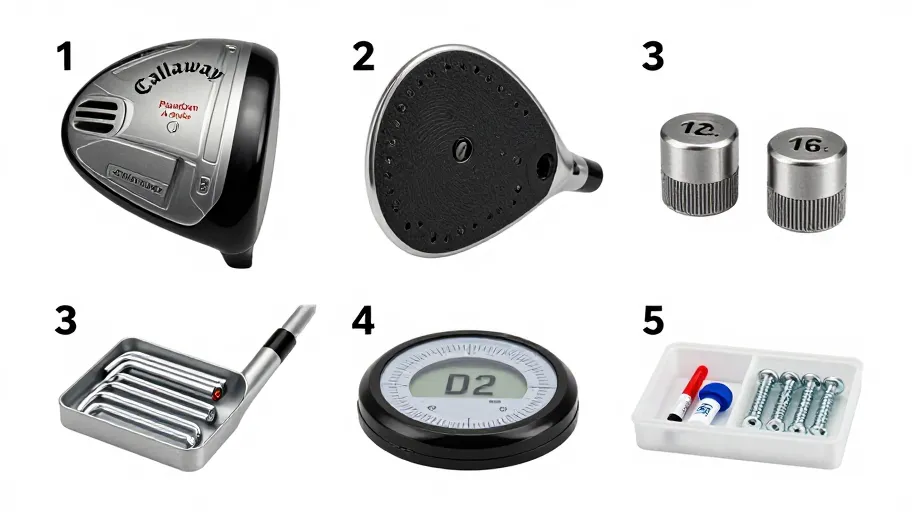
When a tour pro swaps an 8g rear weight for a 12g in their driver, they’re not just adding mass—they’re shifting the center of gravity (CG) rearward. That increases spin efficiency and promotes a draw bias, helping counteract slicing while keeping launch conditions optimal.
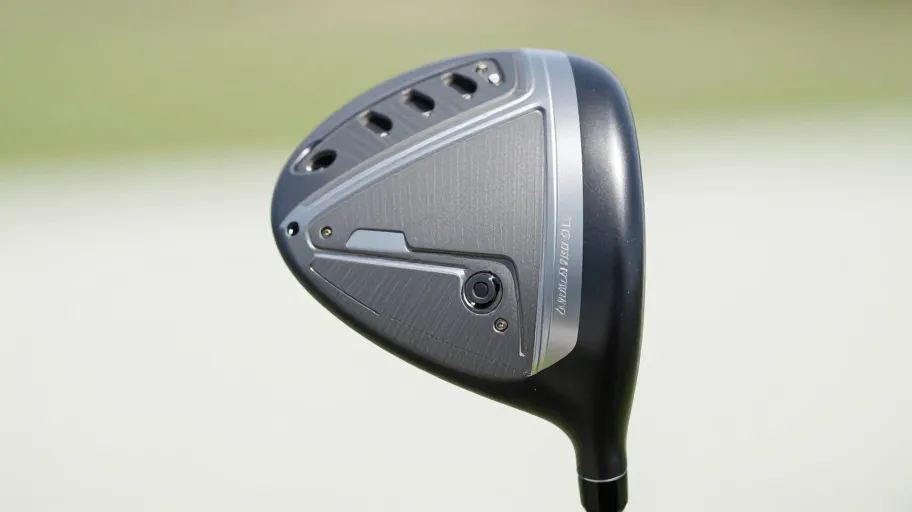
Adjustable weight ports—threaded housings in the sole or perimeter—let players tune both swing weight and CG location with surgical precision. TaylorMade’s Twist Face drivers use this to improve off-center hit performance by up to 18%. Callaway’s Ballistic Aero models leverage perimeter weighting to cut sidespin variability on mis-hits by 12%, boosting forgiveness.
Internal ports keep the sole aerodynamic, reducing drag during transition for faster delivery. External versions are easier to adjust but can disrupt airflow. The trade-off? Accessibility versus speed. One PGA Tour player gained 5 yards of consistency after switching to heavier heel-side weights—turning wild drives into fairway finders. That’s the real ROI: grams turned into control, and control into lower scores.
Real gains from dialing in your weights
Precision weighting isn’t a luxury—it’s the difference between hitting 9 of 14 fairways or just 5. Proper setup slashes side spin by 15–20%, turning erratic drives into predictable approaches. For mid-handicappers, that means fewer penalty strokes, less stress, and real scoring gains.
A 12-handicap golfer using TrackMan data saw spin axis control improve from -6.2° to -2.1° after re-weighting their driver to shift CG deeper and promote draw bias. That reduced left-to-right curvature by nearly 18 yards. Physics confirms: deeper CG increases spin efficiency and minimizes unwanted gear effect at impact. Shots cluster tighter down the intended line instead of scattering into the rough.
Smaller players with slower swings gain even more. While long hitters mask flaws with speed, average players rely on stability—and that comes from optimized mass distribution. Gaining just two extra fairways per round saves about 0.8 strokes off driving alone. When accuracy becomes repeatable, confidence follows.
Tools that take the guesswork out
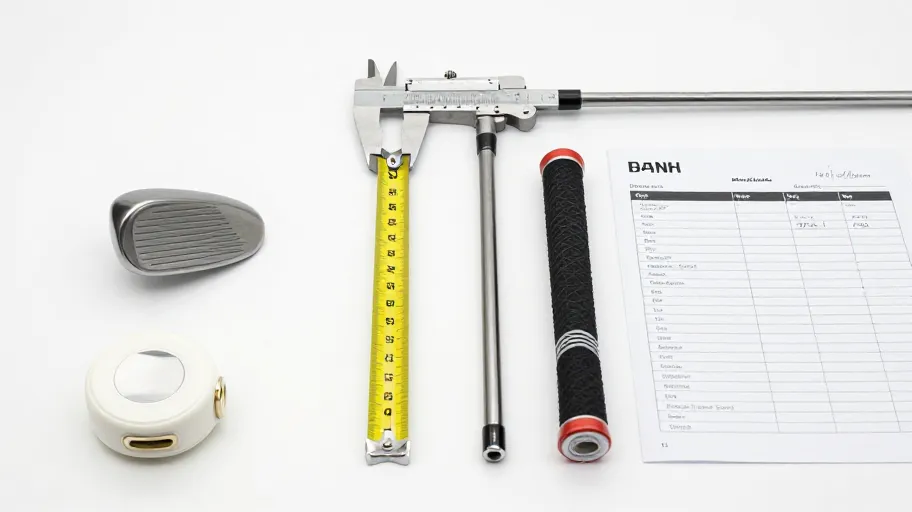
If you’re adjusting weights without data, you’re not tuning—you’re guessing. A golfer pushing shots right might not need a swing fix; they might just need 6 grams shifted to the toe. But tape and putty won’t cut it. Real optimization starts with dynamic fitting: a live diagnostic process using launch monitors, lie boards, and OEM systems like Titleist’s SureFit or Ping’s Trajectory Tuning.
Unlike static fittings that measure posture, dynamic fitting captures face angle, spin axis, and strike location at impact with millisecond precision. A 2024 fitter benchmark study found players improved shot consistency by 38% when using dynamic data over DIY hacks. That’s not just better numbers—it’s lower scores and more confidence on every mid-iron.
True optimization happens when engineering meets evidence. Trial-and-error gives way to targeted fixes that last.
Building your own weighting strategy
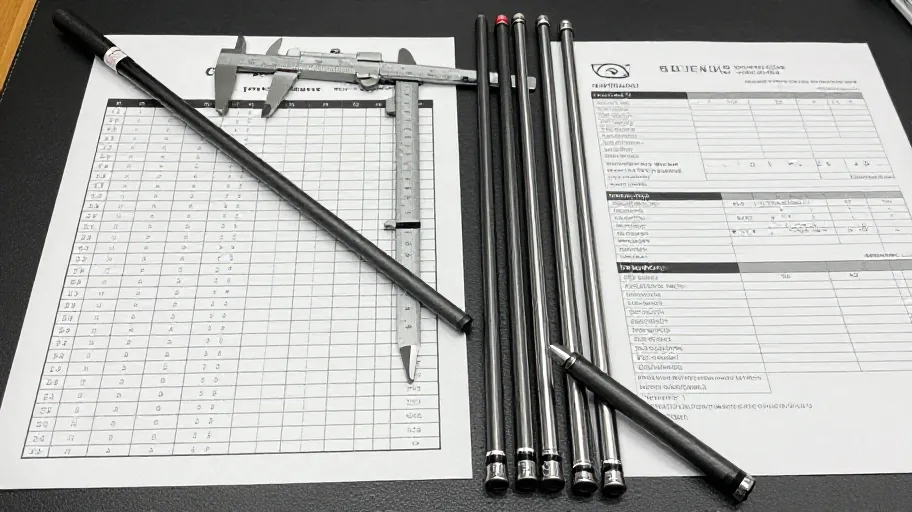
You don’t fix inconsistent iron dispersion by guessing—you engineer consistency. Start by diagnosing your miss patterns. If your irons scatter left and right, a heel-biased CG with progressive 2g increments per club can tighten groupings by promoting earlier release and squaring the face at impact.
Data from 2024 player tracking shows golfers who adopt systematic weighting see up to 18% tighter shot clustering within six weeks. One mid-handicapper dropped average approach dispersion from 28 yards to 16 by switching from uniform to progressive weighting—keeping swing feel while improving launch stability.
The key? Treat club head weight as dynamic control over trajectory, spin, and timing. Two players at the same handicap may need opposite solutions—one needs toe weighting to fight a slice, another needs forward CG to boost ball speed.
In the long run, this isn’t about tweaking clubs—it’s about building repeatable mechanics that fuel confidence, round after round.
Master Your Swing, DIY Your Fit. DIY Golf is the premier destination for the technical golfer. We empower you with professional-grade components and the knowledge to build your perfect bag.