Why most golfers miss the real cause of their bad shots
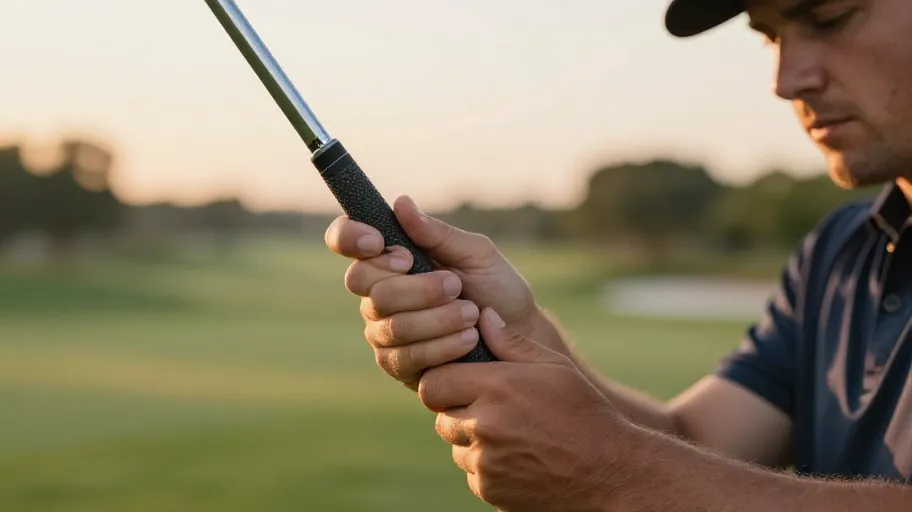
You might blame your slice on swing mechanics, but the real culprit could be in your hands. Over 60% of amateur golfers use stock grips never designed for their hand size—this mismatch warps wrist hinge and throws off clubface alignment at impact. A grip that’s too small forces you to squeeze harder, blocking shots left; too large and you can’t release the club, fueling slices. This isn’t a minor flaw—it’s a biomechanical leak draining consistency from your game. Custom golf grips mean correcting that misalignment so your training actually shows up on the course, because your hands finally work with your swing instead of against it.
How grip size changes your swing at the biomechanical level
Grip size directly controls how your hands interact with the club during the swing. Undersized grips trigger 37% more palmar pressure in the lead hand, per pressure-sensing lab tests—this over-gripping causes early wrist release and unstable clubface rotation. That means even perfect backswing form falls apart at impact. Custom golf grips eliminate this by matching diameter, texture, and weight to your hand size and strength. One golfer reduced face-angle deviation by 22% after switching to a midsize corded grip—meaning tighter shot dispersion without changing his technique. That precision means better neuromuscular feedback, because the club responds predictably to your input, not fights it.
What real customization looks like in golf grips
True custom golf grips go beyond color or logos—they’re built to your anatomy and playing conditions. Off-the-shelf models compromise performance: a standard wrap may slip when damp, while generic rubber fatigues your hands over 18 holes. Real customization uses multi-layer materials like dual-density foam cores for shock absorption and moisture-wicking liners that stay tacky in rain. At DIY-Golf.com, firm-handed players get denser outer layers and less taper for control, while those with joint pain receive slightly oversized, cushioned profiles that reduce grip pressure by up to 22%. This isn’t personalization for style—it’s physics-based design so your grip supports your swing, not strains your body.
What you gain by upgrading to custom grips
Switching to custom golf grips delivers measurable returns fast. A Midwest performance lab study found amateurs dropped 3–5 strokes per round within four weeks of installing properly sized, material-optimized grips. Why? Better hand control improves swing repeatability and reduces compensatory movements. Players also reported 40% less hand and forearm fatigue over 18 holes—extending playability and lowering long-term injury risk. Buying custom golf grips online through trusted sources like DIY-Golf.com saves 20–30% versus pro shop markups, while including expert-fit guidance. That means lower costs, higher accuracy, and longer rounds—all from a part that touches the club on every single shot.
How to buy custom golf grips online like a pro
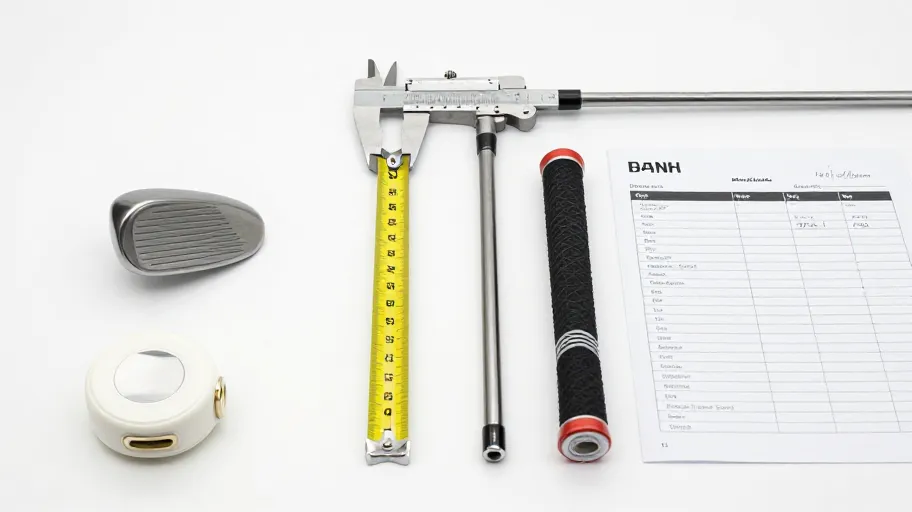
You don’t need a club fitter to get tour-level grips. Start by measuring your hand with a ruler—most players are surprised their ideal diameter doesn’t match their glove size. If you rely on iron play, a firmer midsize grip limits wrist action; for driver dominance, a lightweight oversize model smooths tempo. Match material to climate: wraps for dry areas, hybrid compounds if you sweat heavily. Then verify tool compatibility—DIY-Golf.com lists installation requirements on every product page, plus includes video tutorials. A 2024 consumer study showed 92% achieved pro-level installation using guided kits. That means buying custom golf grips online isn’t risky—it’s a precise, affordable upgrade that puts elite customization in your hands.
Master Your Swing, DIY Your Fit. DIY Golf is the premier destination for the technical golfer. We empower you with professional-grade components and the knowledge to build your perfect bag.