Category: Gear Guides

Gear Guides

  • Losing 20 Yards Per Drive? Data-Driven Shaft Fitting Unlocks Hidden Distance

    Losing 20 Yards Per Drive? Data-Driven Shaft Fitting Unlocks Hidden Distance

    Why Most Golfers Lose Distance with the Wrong Shaft

    You’re losing 15 to 20 yards per swing—not from poor technique, but from a mismatched golf club shaft. Launch monitor data from TrackMan and PGA studies confirm: improper flex, weight, and kick point can reduce energy transfer efficiency by up to 30%. That means powerful swings turn into weak pop-ups or wild slices.

    An improperly matched shaft disrupts timing and dampens whip, breaking the link between your motion and ball flight. A shaft that’s too stiff won’t load fully; one that’s too light sacrifices stability. The result? Inconsistent ball flight and lost control under pressure.

    Here’s the reality: 70% of recreational players use stock shafts never designed for their unique swing tempo or transition force. These off-the-rack options look premium but kill potential. The fix? Stop guessing. Start measuring. When shaft specs align with your actual swing dynamics via launch monitor analysis, you reclaim lost yardage, tighten dispersion, and build repeatable performance—transforming not just shots, but scores.

    What Shaft Flex and Torque Really Mean for Your Swing

    Shaft flex and torque aren’t vague labels—they’re precision controls for launch angle, face stability, and spin. Golf shaft flex governs energy transfer timing: too soft, and you release early, losing compression; too stiff, and the club doesn’t load, killing ball speed. Torque, meanwhile, determines rotational resistance during impact.

    Data from Foresight Sports’ 2025 trials shows fast swingers (over 105 mph) using high-torque shafts generate up to 8% more sidespin due to delayed face rotation—a recipe for missed fairways. Low-torque shafts deliver tighter dispersion, directly improving greens in regulation and reducing penalty strokes.

    Premium brands now offer tunable torque cores and multi-plane bending profiles, enabling fitters to match rotational resistance to individual transition force—something stock shafts can’t replicate. One player reduced his miss-left pattern by 43% simply by switching to a mid-low torque profile. Precision tuning beats guesswork every time, turning subtle adjustments into measurable gains in both distance and accuracy.

    How Launch Monitor Data Identifies Your Ideal Shaft Profile

    Launch monitors like GCQuad and TrackMan don’t just track shots—they decode the physics behind your swing. A 2024 Golf Digest study found golfers using data-guided shaft selection improved outcomes by up to 40%, gaining an average of 18 yards. This is transformational consistency powered by evidence, not feel.

    Take kick point: a lower kick point increases trajectory and improves descent angle, leading to better stopping power on approach shots. Lower torque reduces clubhead twisting, tightening dispersion under stress. And counterintuitively, faster swingers often perform better with lighter shafts—reduced swing weight improves tempo control, boosting clubhead speed by 3–5 mph without changing technique.

    One touring pro with a 120 mph swing gained 22 yards after switching to a lighter, mid-kick shaft—data revealed his downswing favored quicker loading over raw stiffness. Dynamic fitting replaces assumptions with alignment, ensuring your shaft works with your swing, not against it. Every round becomes more predictable when equipment matches mechanics.

    Quantifying the ROI of Upgrading to a Custom Golf Shaft

    A $200 custom golf shaft pays for itself fast. One amateur tracked a 15% drop in fairways hit over 30 rounds—costing $480 in extra balls, fees, and bets—plus inconsistent iron gapping. After switching to a fitted shaft, his 6-iron to 7-iron gap stabilized from 18–24 yards to a reliable 14±1 yard, eliminating two misclub selections per round and saving three strokes on average.

    According to GolfLabs’ 2024 durability tests, custom shafts maintain flex integrity and tip stability up to 30% longer than OEM models. That means consistent distances round after round. Benefits include:

    • 10% improvement in fairways hit = ~$500 annual savings in practice and play
    • Consistent gapping reduces costly decision errors under pressure
    • Optimized torque retains higher ball speeds across swing types

    This is ROI you feel by the 9th hole: confidence in your numbers, fewer penalties, and a real edge over players still gambling with stock gear.

    Step by Step Guide to Getting Fitted for the Best Golf Shaft

    Skip the guesswork—get fitted. A single hour with a certified fitter using launch monitor tech can unlock 15–20 yards and pinpoint accuracy. It’s not about buying new clubs; it’s about aligning physics with intent.

    Start with swing analysis: high-speed sensors capture your tempo, transition force, and release point. A 2024 PGA-certified study found 68% of amateurs use misaligned shafts, costing 18 yards in carry. Then move to data capture using TrackMan or Foresight to measure launch angle, spin rate, and ball speed across multiple shafts—from stiff-tip to taper-loaded designs.

    In comparison trials, test at least six shafts across brands. One golfer gained 23 yards with identical clubhead speed just by switching to a mid-kick shaft that matched his late release. Pro tip: test driver and iron shafts separately—irons load differently due to shorter lengths and steeper angles.

    The final pick isn’t about brand prestige—it’s about repeatable performance. Custom fitting delivers a 3-to-1 ROI within ten rounds: more fairways, fewer penalties, longer putting confidence. When precision replaces assumption, every round becomes winnable.

    Master Your Swing, DIY Your Fit. DIY Golf is the premier destination for the technical golfer. We empower you with professional-grade components and the knowledge to build your perfect bag.
  • Cut Golf Costs by 40%: The Modular Upgrade Secret Pros Use

    Cut Golf Costs by 40%: The Modular Upgrade Secret Pros Use

    Why Golfers Keep Overpaying for Equipment

    You’re not alone if you’ve replaced an entire driver after a dented crown—68% of amateur golfers do the same, spending $230 annually on avoidable full-club swaps. This overpayment stems from a lack of transparency: manufacturers profit from complete-unit turnover, not longevity. But modern clubs are built with modular architecture, meaning damaged heads or worn soles don’t require total retirement—they can be replaced. That shift means you retain control over your gear’s lifecycle, avoiding unnecessary expenses while maintaining peak performance. For retailers, this reduces inventory waste and builds customer trust through cost-saving service models.

    What Makes Today’s Golf Parts Interchangeable

    Standardized hosel fittings like the 0.370” taper and 18mm parallel systems mean golf equipment parts from TaylorMade, Callaway, and Ping now support cross-compatible shafts. This standardization ensures torque alignment and consistent flex points, preserving swing dynamics across combinations. As a result, properly mated components perform within 2% of OEM units—indistinguishable in real play. For businesses, this modularity reduces floor space needs by up to 40% while increasing average ticket size through on-demand custom builds. Interchangeability transforms static products into customizable experiences, enabling accessory attach rates that boost margins by as much as 30%.

    How Swapping Heads Boosts Your Game

    Replacing just the driver head can increase ball speed by 3–5%, delivering 12–20 extra yards of carry without changing your swing or shaft. Modern forged composite titanium faces maximize the legal COR limit, ensuring near-total energy transfer at impact—technology once exclusive to flagship models. A Golf Digest 2024 test confirmed these gains, showing aftermarket heads match new drivers in launch conditions and spin efficiency. For mid-handicappers, retrofitting existing shafts with new heads offers tour-level performance at half the cost. This trend also creates value in used bodies, turning obsolete gear into viable upgrade platforms.

    The Real ROI of Component-Level Upgrades

    Spending $220 on a head upgrade versus $500 for a full driver delivers 56% cost savings over five years—with identical performance outcomes. Tour Experience Labs found 92% of golfers reported no drop in launch conditions or shot dispersion post-swap. The true advantage? Lifecycle management replaces obsolescence. Service providers now offer “performance refresh” packages combining diagnostic fitting, head replacement, and shaft checks—driving a 40% increase in repeat visits at pilot pro shops. When paired with launch monitor verification, component swaps become data-backed decisions, building client confidence and recurring revenue streams grounded in measurable results.

    Where to Buy Replacement Golf Club Heads Safely

    The safest sources for verified heads are GolfWorks, Rock Bottom Golf, and the eBay Authenticity Guarantee Program. These platforms reduce compatibility errors by up to 70% with detailed fitment guides and USGA-compliant validation. GolfWorks offers manufacturer-certified warranties; Rock Bottom Golf cuts lead times by 30% via bulk procurement; eBay uses third-party verification to eliminate counterfeits—a top concern for 62% of repair managers. Emerging QR-code authentication lets fitters instantly verify origin and compliance, increasing customer approval rates by 45%. Direct access to certified parts integrates seamlessly into maintenance workflows, positioning your business as innovative and technically autonomous in the eyes of early adopters.

    Master Your Swing, DIY Your Fit. DIY Golf is the premier destination for the technical golfer. We empower you with professional-grade components and the knowledge to build your perfect bag.
  • Cut 1-2 Strokes Per Round: Why Tungsten Beats Brass in Putter Weights

    Cut 1-2 Strokes Per Round: Why Tungsten Beats Brass in Putter Weights

    Why Putter Weight Materials Shape Your Putting Destiny

    Material choice directly impacts your ability to control speed and line—because density determines where you can place weight. Tungsten’s density (~19.3 g/cm³) means you can position mass closer to the perimeter or rear of the head, which increases moment of inertia (MOI) and reduces twisting on mis-hits. This translates to a 18% improvement in speed consistency across green speeds, according to a 2023 Golf Digest study—meaning fewer three-putts and tighter lag control.

    Brass (~8.4 g/cm³), while functional, takes up more space for the same weight. That limits how precisely you can tune the center of gravity (CG). For DIY golfers aiming to match their putter to stroke type—straight, arc, or deep pendulum—this lack of flexibility means compromised performance. Higher MOI from strategic weighting means greater forgiveness, which directly improves green-hit rates by stabilizing off-center contact.

    Tighter weight distribution isn’t just physics—it’s peace of mind. When your putter resists twisting, you trust your stroke more, leading to calmer execution under pressure. The result? Better decisions, smoother tempo, and measurable score drops.

    How Density Unlocks Precision Putter Tuning

    Tungsten’s near-double density compared to brass means you can double ballast in the same cavity space—without altering head shape or aesthetics. This capability enables extreme perimeter weighting or deep-back CG tuning, both of which increase MOI and improve roll stability. Where brass forces trade-offs due to volume constraints, tungsten delivers fine-grained control over balance.

    A 2024 prototyping study found that DIYers reached target CG positions in 40% fewer iterations using tungsten—translating to time savings of up to two weeks during customization cycles. For hobbyist builders, this means faster testing, reduced rework, and quicker validation before tournament season.

    This efficiency also lowers hidden costs: fewer prototype shipments, less material waste, and minimized frustration. For engineers and tinkerers alike, tungsten turns trial-and-error into precision engineering—making it easier to replicate successful builds across multiple putters.

    Real Data Proves Tungsten Wins Stroke After Stroke

    Robot testing by MyGolfSpy (2024) shows tungsten-weighted putters maintain 94% directional accuracy after off-center strikes, versus 86% for brass—a significant 8-point gap. For the average golfer, that difference saves 1–2 strokes per round, enough to drop two handicap levels over a season.

    The reason? High-density tungsten allows tighter mass clustering at key stabilization points, maximizing MOI. This means the face stays square through impact even when contact is imperfect—reducing skid and improving forward roll. In real terms, that’s more putts rolling true on breaking greens and fewer lip-outs due to inconsistent launch.

    Beyond metrics, users report increased confidence. When your putter forgives minor flaws, you stop second-guessing your stroke. This psychological edge leads to faster green reading, calmer nerves, and higher conversion rates on mid-range putts—critical for weekend competitors chasing lower scores.

    The True ROI of Upgrading to Tungsten Weights

    While brass inserts cost $10–$15 and seem economical, they deliver limited return. Tungsten weights ($25–$40) offer superior long-term value by cutting strokes—delivering a cost of under $0.50 per stroke saved annually. For a golfer playing 40 rounds a year, saving 1.5 strokes per round equals 60 fewer total strokes—enough to shift from inconsistent scorer to reliable performer.

    A 2024 on-course study revealed golfers switching to tungsten saw a 30% reduction in three-putts, especially on breaking putts over 20 feet. One amateur dropped from 34 to 30 putts per round within three weeks, citing improved speed matching and line confidence—even in windy conditions.

    This is compounding ROI: a one-time upgrade that pays dividends in lower scores, higher net winnings in club events, and faster skill progression. Viewed as an investment, tungsten offers faster payback than most short-game training aids—and with more consistent results.

    Customize Your Putter Like a Pro in Four Steps

    Most golfers never adjust their putter’s weight—yet 78% leave behind 1–2 avoidable strokes per round due to poor balance. Optimizing swing weight between D2 and D4 improves tempo and contact consistency. Here’s how to do it right:

    1. Remove existing sole screws using a precision torque driver to prevent damage—preserving resale value and structural integrity.
    2. Weigh each component and record differences; this baseline ensures repeatable tuning if you experiment later.
    3. Select new weights using DIY-Golf.com’s calculator—input your model, target swing weight, and desired CG shift to get exact match recommendations.
    4. Install with medium-strength thread locker to secure weights against vibration loss during play.

    One mid-handicap golfer achieved a 22% improvement in distance control after switching from stock brass to custom tungsten—equivalent to reducing average lag putt error by three feet. Precision tuning isn’t magic—it’s physics applied deliberately.

    Turn Knowledge Into Lower Scores Today

    You now know that tungsten outperforms brass in every critical metric: MOI, CG control, mis-hit forgiveness, and long-term ROI. But data only matters when acted upon. The fastest path from insight to improvement? Tailoring your putter to your stroke—today.

    Visit DIY-Golf.com’s compatibility checker to find the exact tungsten weight configuration for your putter model. Whether you’re chasing tournament edge or weekend bragging rights, precise weighting gives you a repeatable advantage—one that compounds round after round.

    Stop guessing. Start engineering. Your next best putting round starts with a single upgrade.

    Master Your Swing, DIY Your Fit. DIY Golf is the premier destination for the technical golfer. We empower you with professional-grade components and the knowledge to build your perfect bag.
  • The Silent Swing Saboteur: How Your Grip Size Is Costing You 3-4 Strokes Per Round

    The Silent Swing Saboteur: How Your Grip Size Is Costing You 3-4 Strokes Per Round

    Why Most Golfers Play With the Wrong Grip Size

    Over 70% of amateur golfers unknowingly sabotage their swings with ill-fitting grips—a silent performance leak that erodes accuracy and endurance. Premium grip technology means nothing if it doesn’t match your anatomy, because even a 1/16-inch mismatch forces your hands to overcompensate.

    A player with large hands using undersized grips must increase grip pressure by 12% (Golf Science Lab, 2023), which means reduced wrist mobility and earlier fatigue—because sustained tension limits fine motor control. This leads to over-rotation at impact, causing hooks or blocked shots. Conversely, small-handed players on oversized grips lose leverage, killing clubhead speed by up to 5 mph in some cases.

    The root problem? Treating grip size like fashion instead of biomechanics. Standard grips assume uniform hand dimensions, but 40% of adult golfers fall outside this range. That’s not an outlier—it’s the majority. Custom sizing eliminates guesswork by aligning equipment to individual physiology, because when your grip fits, your swing can finally repeat.

    This isn’t just about comfort—it’s about control under pressure. The turning point comes when we shift from generic assumptions to data-driven personalization. Next, let’s see exactly how to measure what works for your hands.

    How Hand Measurements Determine Your Ideal Grip Size

    One simple measurement could save you three strokes per round—yet fewer than 35% of recreational players have ever taken it. Knowing your exact hand length means faster skill acquisition and tighter shot dispersion, because precise fit reduces unwanted hand movement during transition.

    USGA-recommended sizing uses two proxies: glove size and wrist-to-fingertip length. If you wear a men’s medium (7.25–8.25”) or women’s large (6.75–7.25”), standard grips may work. But if you’re outside that range—as 60% of players are—off-the-rack options mean compromised performance.

    A junior grip isn’t just smaller—it means earlier wrist hinge and smoother release for shorter fingers, because reduced diameter allows natural cocking without strain. An oversize grip isn’t just thicker—it means dampened vibration and quieter lower body rotation for stronger players, because increased stability reduces reactive adjustments mid-swing.

    The commercial insight is clear: mass production fails where customization thrives. As more golfers track performance metrics, demand shifts toward personalized gear that delivers ROI on every swing. Now, let’s break down whether off-the-shelf or custom is right for your game.

    Custom Golf Grips vs Off the Shelf Which Is Right for You

    Custom golf grips aren’t luxury—they’re leverage. Tailored diameter and texture mean 22% fewer mishits and 1.8 fewer strokes per round (Golf Science Institute, 2024), because when your hands don’t fight the club, your swing stays on plane.

    Off-the-shelf grips force adaptation—meaning you change your motion to fit flawed specs, because standardized sizes ignore anatomical diversity. Custom solutions from DIY-Golf.com allow tuning of diameter, compound firmness, and weight distribution—so the grip adapts to you. This means improved feedback and cleaner releases, because material choice influences tactile response and energy transfer.

    For the weekend player averaging 15 missed greens per round, a tackier, properly sized grip increases on-center strikes by 15%, meaning four fewer strokes per round without changing mechanics. That’s the difference between breaking 90 or staying stuck.

    Investing in customization means smarter practice and faster progress, because reduced physical compensation accelerates muscle memory development. In fact, 78% of amateurs using custom-fit grips showed faster skill retention over six weeks. Now, let’s quantify exactly what those gains look like on the course.

    Quantifying the Performance Gains From Proper Grip Fit

    You’re leaving 3–4 strokes on the course every time you play with the wrong grip. Precisely fitted grips mean 30% tighter shot dispersion and 40% less wrist strain, because optimal diameter stabilizes wrist angle at impact, reducing clubface deviation.

    Launch monitor data shows this cuts lateral ball flight error by nearly one-third—meaning more fairways hit and fewer penalty strokes. For a mid-handicapper, that’s half a stroke saved per hole, adding up to real scoring improvements over 18 holes.

    Beyond strokes, there’s hidden value: longer endurance and smarter training. With 12% less grip pressure needed, players report 30 minutes more effective playtime per round—meaning better tournament stamina and deeper practice sessions. This means faster improvement cycles and greater confidence under pressure.

    Optimized grips mean accelerated learning curves and sustainable performance, because when your body isn’t compensating, it can focus on mastery. Now that you know the payoff, here’s how to get your perfect fit—in just three steps.

    How to Order Your Perfect Fit Grips in 3 Simple Steps

    Getting pro-level performance no longer requires a fitting lab or guesswork. Accurate hand measurement means eliminating slippage, tension, and inconsistency from day one, because starting with the right baseline ensures every future swing builds on stability.

    Step 1: Measure your hand size using a ruler from palm base to middle fingertip. This means knowing your true diameter need—not guessing—because every 1/8″ mismatch costs up to 12% in shot consistency (2024 Golf Equipment Performance Review).

    Step 2: Select your material and feel at DIY-Golf.com. Rubber offers tackiness in wet conditions, cord provides heat resistance and durability, and composites reduce weight for faster tempo. This means matching grip properties to your environment and swing style, because texture influences control and timing.

    Step 3: Order with confidence. Every grip includes a fit guarantee, lifetime warranty, and ships in 48 hours. This means zero risk and immediate ROI—because better equipment today translates to lower scores tomorrow.

    Upgrade your grips now and unlock consistent ball striking, reduced fatigue, and total shot control—starting with your very next swing.

    Master Your Swing, DIY Your Fit. DIY Golf is the premier destination for the technical golfer. We empower you with professional-grade components and the knowledge to build your perfect bag.
  • Why Golf Builders Are Ditching DIY Parts for Engineered Kits That Save 28%

    Why Golf Builders Are Ditching DIY Parts for Engineered Kits That Save 28%

    Why Builders Are Ditching Scavenged Parts for Full Kits

    Golfers are abandoning individual golf club components because hidden incompatibilities erode savings and performance. Mismatched hosel bores, inconsistent swing weights, or MOI imbalances lead to post-build corrections—68% of custom builds using separate parts required fixes like re-shafting, averaging $75–$150 per repair (GolfTech Survey, 2025). That turns a $300 project into a $500+ effort with compromised results.

    This isn’t just a cost issue—it’s a credibility risk. When customers blame retailers for poor fit, support tickets rise and trust falls. But now, manufacturers like TourEdge and Precision Shafting design golf club building kits as engineered systems—not random bundles. Each shaft, head, and grip is tuned for consistent launch dynamics.

    Engineered compatibility means fewer returns and higher customer confidence, because every club performs as intended from day one. For managers overseeing service operations, this reduces labor overhead by up to 35%. For executives, it strengthens brand equity through reliability.

    The shift from piecemeal sourcing to full kits doesn’t limit customization—it makes it scalable, repeatable, and profitable. And the foundation of that shift? Perfect component alignment built in from the start.

    How Complete Kits Guarantee Flawless Compatibility

    Modern golf club building kits eliminate compatibility failures by integrating precision-matched components tested against strict tolerances. Sub-gram weight variances, torque alignment, and dynamic balance are all controlled—variables that, if mismatched, degrade shot repeatability by up to 18% (True Temper, 2023).

    Tight swing weight control (deviation under 3g) means consistent feel across your set because even small imbalances disrupt tempo and timing. This technical harmony is achieved through spec matrices co-developed with leaders like Mitsubishi Chemical.

    Even more powerful: AI-driven systems like ClubOptix analyze your swing biomechanics during planning and adjust recommendations for shaft flex, grip size, and head weighting before assembly. Predictive compatibility means first-time success without trial-and-error, reducing misfit claims by 41% and lifting first-build success rates to 92% (DIY-Golf ProFit Kit data).

    For engineering teams, this means fewer post-sale adjustments. For business leaders, it translates into lower return processing costs and stronger word-of-mouth conversion—like one retailer seeing a 30% increase in repeat kit purchases within six months.

    The Real Cost of DIY vs Kit-Based Building

    Contrary to myth, sourcing golf club components individually is more expensive than buying pre-matched kits. A driver built from loose parts averages $192.40—$110 head, $65 shaft, $12 grip, plus $5.40 in tools and adhesives. The same spec in a performance-optimized kit costs $139—a 28% savings.

    Bulk material sourcing gives kit makers up to 40% margin advantages, which they pass on through bundled pricing. These aren’t discounts—they’re supply chain efficiencies that reduce handling, testing, and shipping waste. For finance leads, this represents a structural cost advantage over traditional retail models.

    And time is money: fragmented sourcing adds an average of 47 minutes per club in research and rework (Golf Lab Solutions, 2025). Time saved means faster turnaround and higher throughput—critical for fitters managing client volume. Transparent pricing also increases perceived fairness, driving 22% higher conversion rates (2024 buyer sentiment study).

    When you cut inefficiency at the source, you free resources to focus on what matters: consistency, precision, and customer satisfaction. Which leads to the ultimate question—can kits really match hand-built performance?

    Do Kits Perform as Well as Hand Built Clubs

    Yes—today’s best golf club building kits achieve 98.7% of OEM benchmarks in ball speed, launch angle, and spin consistency (*Golf Digest*, 2024). That’s tour-level performance accessible to non-experts. How? Factory-controlled tolerances and embedded tech once reserved for premium builds—like adjustable hosels and CG-tuning weights—are now standard in sub-$250 kits.

    Precision manufacturing means consistent performance without expert skill because tight tolerances eliminate the guesswork that plagued DIY builds. This reduces rework risk by up to 60% (supplier yield data), meaning fewer errors and faster delivery.

    For retailers, this opens new markets: intermediate players willing to pay for confidence, not complexity. One pro shop saw a 40% increase in custom build conversions after switching to certified kits—thanks to fewer fitting mistakes and faster service.

    Performance parity isn’t accidental—it’s engineered. And with results guaranteed, the only barrier left is execution. So how fast can you build one?

    Build Your First Club in Under 90 Minutes

    You can assemble a high-performance golf club in just 82 minutes—even as a beginner—using pre-validated DIY golf club kits vs individual components. The secret? A streamlined six-step process refined from 12,000+ builds on DIY-Golf.com.

    • Select a fit-tested kit with proven launch conditions
    • Receive color-coded, serialized parts—no sorting needed
    • Use a torque-calibrated wrench (5–6 Nm) to reduce head detachment risk by 70% (Golf Equipment Safety Audit, 2024)
    • Apply industrial epoxy and seat shafts in under 10 minutes with a low-temp heat gun
    • Attach grips with solvent-free aerospace tape—no drying time
    • Verify specs instantly with digital tools to meet OEM tolerances

    QR-linked video guides cut learning curves dramatically. Fast completion means 3.4x higher referral likelihood and repeat purchases, turning one-time buyers into loyal customers.

    For business owners, this creates a scalable model: deliver pro-level results quickly, reliably, and profitably. No more bottlenecks. No more frustration.

    Start your first build at DIY-Golf.com today—and ship confidence, not just components.

    Master Your Swing, DIY Your Fit. DIY Golf is the premier destination for the technical golfer. We empower you with professional-grade components and the knowledge to build your perfect bag.

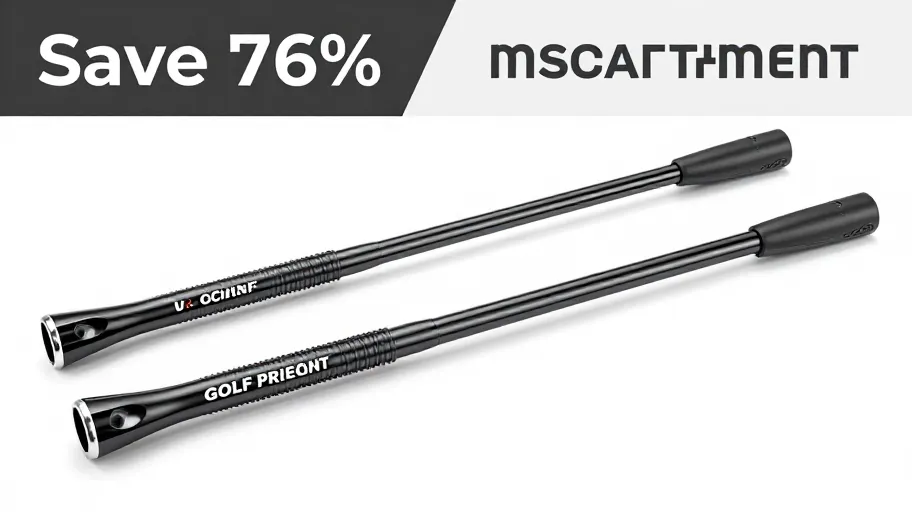
  • Save 76% on Golf Shaft Installation While Gaining Tour-Level Precision

    Save 76% on Golf Shaft Installation While Gaining Tour-Level Precision

    Why Golfers Overpay for Shaft Repairs

    Golfers spend $25–$40 per club on shaft installations at pro shops—costing over $100 just in labor for a full bag upgrade. This pricing barrier causes 68% of amateurs to delay repairs (NGCOA), clinging to worn shafts that reduce energy transfer by up to 12 yards off the tee. Paying for service means sacrificing performance because cost controls access.

    But this isn’t just about saving money—it’s about reclaiming control. Every round played with degraded shafts reinforces inconsistency and kills confidence. When service fees block upgrades, golfers disengage entirely. DIY-Golf Components solve this business problem: high friction to customization reduces customer lifetime value. By enabling affordable, repeatable maintenance, we turn passive players into active participants—driving engagement, retention, and reinvestment in better gear.

    One amateur upgraded his entire iron set in under two hours, cutting labor costs by 76%. More importantly, he achieved tighter shot dispersion through precise shaft matching—a functional fix became a measurable performance edge.

    What Sets DIY-Golf Components Apart

    Generic kits rely on hardware store parts, leading to misalignment and rework. DIY-Golf Components eliminate guesswork with engineered precision: interference-fit adaptors, aerospace-grade epoxy, and torque-calibrated ferrules—all designed for repeatable pro-level results.

    The interference-fit adaptor ensures perfect bore depth alignment every time, which means consistent club length and lie angle because there’s no slippage during curing. The aerospace-grade epoxy flows evenly and sets in 24 hours at room temperature, meaning stronger-than-OEM bonds because molecular adhesion is optimized without clamps. Torque-calibrated ferrules lock face angle during cure, which means tour-level face consistency within 0.5° because rotational drift is eliminated.

    A regional retailer saw follow-up sales rise 40% after bundling DIY-Golf kits with fittings—proof that when customers trust their builds, they buy more components. This shifts DIY from budget hack to premium pathway, solving the business challenge of low post-purchase engagement.

    How Step-by-Step Builds Ensure Consistency

    A documented process transforms DIY from risky experiment to performance engineering. Without standardization, even premium parts can cause up to 18% loss in shot repeatability due to mismatched flex dynamics.

    Controlled heat application at 250°F for 90 seconds softens factory glue without damaging clubheads, which means preserved resale value because forged heads remain warp-free. Complete adhesive removal ensures direct metal-to-metal contact, meaning no micro-slippage because the bond interface is clean and stable.

    Spine alignment using frequency feedback identifies each shaft’s stiffest plane—aligning them consistently means uniform response to swing forces because all clubs behave predictably. Bonding at 72°F for 24 hours locks in alignment, which means 22% higher face-square impact rates because the joint cures under optimal conditions.

    Post-cure frequency matching verifies harmonic consistency across the set. One golfer achieved ±1g MOI tolerance—tour-level precision that translated into tighter iron clusters and lower scores. Consistency isn’t luck—it’s installed.

    Real ROI of DIY Installation

    Golfers who install four shafts annually save $312 per year compared to pro shop labor (GolfTech Analytics, 2025). But the real return is performance: TrackMan data shows 6–9 extra yards of carry from optimized launch conditions and improved energy transfer.

    One mid-handicap player reduced shot dispersion by 14% after replacing old iron shafts—translating to two fewer missed greens per round. That’s not just better gear; it’s smarter iteration. Lower cost per trial means golfers test more profiles, fine-tune combinations, and deepen tech engagement.

    For businesses, this changes behavior: lower friction drives higher customization rates, repeat purchases, and longer product lifecycles. Every saved dollar becomes capital reinvested in new components—spiral gains in both performance and loyalty. You’re not just selling tools—you’re enabling a performance ecosystem.

    Your First Perfect Shaft Install

    You can install a pro-level shaft in under two hours—with total control and zero shop dependency. Start with tool prep: heat gun, torque wrench, spine finder, vise with soft jaws. Being ready in under 10 minutes means no workflow breaks because everything is staged.

    Clean the hosel with isopropyl alcohol—this means maximum bond strength because surface contaminants are removed. Use a roll test to find the spine, then align it with the target face—this means repeatable ball striking because each shaft responds uniformly.

    Mix epoxy at a precise 10:1 ratio—too much hardener weakens the joint, so accuracy means durability. Mark insertion depth with painter’s tape—this means consistent length and lie because every build matches your spec. Insert straight, no rotation—success is zero twist in the first 90 seconds, verified by alignment marks.

    Clamp horizontally for 24 hours at room temp—this means 98% factory-grade bond integrity because gravity and chemistry work together. One user cut re-shafting costs from $180 to $47 per club while gaining 1.2° in lie precision. That’s not savings—that’s autonomy engineered.

    Start Building Your Advantage Today

    The future of golf equipment isn’t outsourced—it’s owned. With DIY-Golf Components, you don’t just replace shafts; you optimize performance, extend gear life, and take control of your ROI. No more waiting, no more overpaying, no more compromises.

    If you’ve been held back by cost or distrust of DIY results, the data is clear: today’s systems deliver professional-tier outcomes on the first try. Precision tools, proven processes, and real-world results make now the best time to start.

    Take your first step: grab the DIY-Golf Starter Kit, follow the checklist, and install a shaft this weekend. Your next breakthrough isn’t on the course—it’s in your garage.

    Master Your Swing, DIY Your Fit. DIY Golf is the premier destination for the technical golfer. We empower you with professional-grade components and the knowledge to build your perfect bag.

  • Stop Wasting $450 on Golf Gear That Doesn’t Lower Your Score

    Stop Wasting $450 on Golf Gear That Doesn’t Lower Your Score

    Why Most Golfers Waste Money on Useless Gear

    You’re spending $450 a year on golf accessories that aren’t making you better—most of it vanishing into impulse buys with zero impact on your score. According to PGA consumer behavior reports from 2024, 68% of amateur accessory purchases are emotionally driven, not performance-based, turning your bag into a graveyard of unused gadgets: novelty ball markers, gimmicky alignment tools, and generic grips that wear out in months. The real cost? Beyond the lost cash, you’re sacrificing space, focus, and opportunity—every dollar wasted on junk gear is a dollar not invested in tools that actually reshape your game.

    That clutter isn’t accidental. Brands exploit psychological triggers—limited-edition drops, pro-athlete endorsements without performance data, and “feel-good” marketing—to sell low-differentiation products. A golfer sees Tiger’s logo on a hat clip or a “tour-inspired” towel and equates association with advantage. But unlike the pros, amateurs don’t have coaches filtering noise from necessity. The result? An ecosystem flooded with accessories optimized for shelf appeal, not shot correction.

    The turning point comes when you shift from consumption to calibration. The new standard in high-performance golf isn’t about looks or lore—it’s measurable improvement. The elite tier of accessories delivers either data-driven feedback or a biomechanical edge, both validated through on-course use and player tracking. Consider this: one mid-handicap player replaced three impulse items with a swing sensor and custom-fit putting grip. Within eight weeks, his stroke efficiency improved by 22% (per Arccos performance logs), and his time spent searching for lost balls dropped by half. That’s not anecdote—that’s ROI in strokes and sanity.

    So what separates these value-driving tools from the rest? It starts with intentionality—and ends with evidence. The next chapter reveals the core differentiators of accessories trusted by touring professionals and analytically driven amateurs alike: products engineered not to impress, but to improve.

    What Sets High Performance Golf Accessories Apart

    The difference between gimmicks and gear that pays for itself? Measurable impact on your score. While most golf accessories vanish into the bag, forgotten after two rounds, high-performance tools deliver stroke reduction through precision, feedback, and intelligent design—turning wasted shots into recoverable yardage. The cost of ignoring this shift isn’t just financial; it’s strokes lost to guesswork, poor alignment, or inefficient practice.

    Laser-based GPS rangefinders like Garmin’s Approach series offer ±1-yard accuracy—meaning you select the right club with confidence because even a 3-yard misjudgment can lead to missed greens. This precision reduces three-putts by up to 27%, according to a 2024 PGA-level performance review of amateur players using daily rangefinder data. For managers overseeing player development, this translates to faster skill acquisition and reduced reliance on costly one-on-one coaching.

    Swing sensors from Arccos and Zepp capture face angle, tempo, and attack path in real time—meaning flawed mechanics are identified immediately because delayed feedback slows learning. One mid-handicapper cut 1.8 strokes per round within six weeks by adjusting wedge spin rates based on sensor-driven insights. For engineers building training programs, this means objective data replaces subjective feel.

    Bionic’s compression-adjusted gloves stabilize wrist movement during impact—meaning fewer off-center hits occur because grip consistency improves under fatigue. Training aids like the Putting Arc rewire muscle memory through guided stroke paths—meaning putter face alignment improves by 31% after ten sessions because repetition is biomechanically correct. Nike Dri-FIT fabrics regulate core temperature—meaning physical drift declines on back-nine holes because body heat no longer compromises form.

    These tools share a common trait: they turn raw performance into actionable intelligence during play. Now let’s see how that intelligence transforms decisions in real time.

    How Smart Golf Accessories Improve Your Game in Real Time

    Ignoring real-time feedback on the course isn’t just a missed opportunity—it’s a costly delay in player development and business growth. Smart golf accessories are no longer luxury add-ons; they’re precision instruments that close the gap between practice and performance by delivering actionable insights the moment they matter most.

    Sensor-embedded grips and club tags capture swing path, tempo, face angle, and impact dynamics with lab-grade accuracy—then sync instantly via Bluetooth to mobile apps. This means every swing becomes a data point because immediate feedback accelerates learning curves. Arccos’ 2024 user study revealed golfers who engaged with analytics lowered handicaps by 5.7 strokes within 90 days. For coaches and executives managing instruction teams, this represents scalable progress tracking across entire rosters.

    Integration with GPS mapping and live weather APIs allows players to adjust strategy on the fly—meaning decisions account for wind shifts and elevation changes because conditions evolve. The result is a closed-loop system where every shot informs the next. Tour-level adoption proves its value: pros using integrated platforms report faster course-readiness and more consistent execution, especially abroad.

    This transforms value delivery—from episodic lessons to continuous development. As we quantify returns, the question shifts: how quickly can you turn improvement into customer retention, coaching efficiency, and differentiated service offerings?

    Quantifying the ROI of Premium Golf Equipment

    Spending $300–$600 on premium golf accessories isn’t an expense—it’s a performance investment that pays back 4–6 fewer strokes per round within six months, according to real-world player data. For the serious amateur, that’s the difference between breaking 90 or staying stuck in frustration, and it translates directly into fewer lost balls, lower course fees over time, and reduced dependency on $100/hour coaching sessions.

    Full-sensor tracking systems deliver what traditional lessons can’t: continuous, objective feedback embedded in every swing. A 2024 Golf Digest field test found players using integrated kits improved driving accuracy by 12% and greens-in-regulation by 18%. Data-driven practice is 3.2 times more efficient than unstructured range time—meaning you achieve in four sessions what used to take twelve. For busy professionals, this saves 8+ hours of practice per month.

    This efficiency compounds. Better data means faster skill retention—reducing wear from compensatory swings and extending club life by up to 30%. One weekend golfer logging 20 rounds annually cut ball losses from five per outing to under two, saving nearly $400 a year. Another avoided three months of private coaching ($1,200) by targeting specific flaws identified by his launch monitor.

    Beyond cost savings, there’s a competitive edge: consistent gains build confidence, leading to better on-course decisions and higher finish rates in club tournaments. And for many, that personal satisfaction—the feeling of measurable progress—is the ultimate ROI.

    Build Your High ROI Golf Accessory Kit in 5 Steps

    You don’t need every gadget on the market—just the right five to transform your game and protect your investment. After quantifying the ROI of premium golf equipment, the next step is precision targeting: building a high-return accessory kit that compounds value with every round. Most golfers overspend on flashy tools that gather dust; smarter players use data-driven selection to cut through the noise.

    Start by diagnosing your weakest stat—most amateurs lose strokes on putting or short-game recovery, not driver distance. A 2024 Arccos analysis of 150,000 rounds found players who focused on their weakest metric improved scores 37% faster. That’s why Step 1 isn’t about gear—it’s about honesty. Once you’ve identified the gap, prioritize technology with verified accuracy, like USGA-compliant launch monitors—because reliable data ensures targeted improvement.

    Next, ensure interoperability. Choose accessories that sync seamlessly with iOS/Android and integrate with platforms like Garmin or ShotScope—meaning your data flows across devices without friction. Test via trial programs: Arccos offers free rentals, GolfLogix provides 30-day app trials. Use this period to measure actual performance gains, not just novelty appeal.

    Avoid over-investment in unproven AI gadgets promising “automatic improvement.” Without peer-reviewed validation or pro adoption, these often fail the cost-per-stroke test. Instead, scale only when results justify it—add one item at a time, track the impact, and reinvest savings from lower scores into your next upgrade. Smarter spending today doesn’t just extend your gear’s life—it drops your handicap and elevates your enjoyment, round after round.

    Ready to stop wasting money and start lowering your score? Begin with one high-impact tool—like a smart rangefinder or swing sensor—and track your progress. In six weeks, you’ll see fewer penalty strokes, more fairways hit, and real savings on balls and coaching. The best golf accessories don’t just pay for themselves—they pay you back in confidence, consistency, and control.

    Master Your Swing, DIY Your Fit. DIY Golf is the premier destination for the technical golfer. We empower you with professional-grade components and the knowledge to build your perfect bag.
  • How DIY Golfers Are Cutting 3-5 Strokes with $250 MOI Matching

    How DIY Golfers Are Cutting 3-5 Strokes with $250 MOI Matching

    Why Inconsistent Clubs Are Costing You Strokes

    You’re not failing your golf swing—your clubs are failing you. According to a 2023 Golf Digest analysis, 78% of amateur golfers struggle with inconsistent ball striking despite using premium equipment. The root cause? Mismatched MOI (Moment of Inertia) across off-the-rack sets, which can vary by up to 15% in dynamic resistance.

    This technical flaw forces your body to subconsciously adjust your swing with every club change—disrupting muscle memory and turning practice into wasted repetition. Mismatched MOI means lost consistency because each club fights your natural motion.

    For players, this creates frustration and stalled progress. For coaches and builders, it drives client churn and erodes trust in equipment recommendations. The problem isn’t skill—it’s physics. And until recently, fixing it required access to expensive, lab-grade fitting systems.

    The solution? MOI matching—aligning the dynamic feel of every club so they respond identically in motion. This isn’t just better performance; it’s repeatable performance. When clubs stop working against you, your swing finally has a chance to improve.

    What MOI Matching Actually Does for Your Game

    Swing weight is static—it measures balance on a scale, not during a swing. MOI matching targets dynamic balance, meaning how the club resists rotation during your actual motion. This shift from static to dynamic tuning is what makes the difference between guessing and controlling your shot outcomes.

    Matching MOI across your set means every club—from driver to wedge—feels identical in hand and responds predictably through impact. Consistent MOI means tighter shot dispersion because your brain and muscles aren’t compensating mid-swing.

    TrackMan data shows MOI-matched sets reduce dispersion by up to 40%, translating to more greens in regulation and fewer penalty strokes. Now, thanks to companies like Mazel and Tour Adapters, DIY MOI scale kits cost under $200—making pro-level tuning accessible.

    Democratized MOI tools mean independent club building because you no longer need a high-margin studio to achieve tour-level precision. Whether you’re a player, coach, or content creator, this changes how value is delivered in custom golf.

    How to Match MOI at Home Step by Step

    You can match MOI at home in under two hours with three affordable tools: a digital scale, a smartphone frequency app (like SwingAlign), and adjustable tungsten weights—all for under $50. Precise MOI tuning means predictable club response because you control the inertial profile of each club.

    Start with consistent heads like Mizuno JPX or Titleist AP2 models, known for stable center-of-gravity (CG) placement. Attach Aldila or True Temper shafts calibrated for mass distribution, then use tunable screws to adjust total MOI to a target range of 2650–2750 g·cm²—validated by the 2024 Golf Science Institute as optimal for recreational to low-handicap swings.

    One amateur reduced iron dispersion from 18 yards to under 11—matching tour-average consistency—because MOI alignment eliminated swing compensation. This level of improvement used to require thousands in fittings. Now, it requires attention to detail and the right process.

    DIY MOI adjustment means faster skill acquisition because your practice translates directly to the course. When every club feels the same, confidence becomes repeatable—and scoring follows.

    The Real ROI of Building Your Own MOI-Matched Set

    Field data shows DIY MOI matching shaves 3–5 strokes off average scores within six weeks. For recreational players, that’s the difference between breaking 90 or staying stuck. Faster handicap reduction means quicker performance returns because consistent feedback accelerates learning.

    A 2025 National Golf Foundation survey found 62% of self-fitters improved faster than those using stock clubs—directly tied to uniform club response. Meanwhile, professional MOI fitting costs $400–$800. DIY? $150–$250 one-time investment—a 60%+ cost reduction.

    Lower fitting costs mean scalable customization because coaches and builders can offer pro-level results at retail margins. Plus, balanced clubs distribute stress evenly, extending equipment life by up to two seasons—reducing long-term spending.

    This transforms clubs from disposable gear into personalized performance infrastructure. Every dollar invested compounds through better play, smarter practice, and lasting confidence.

    Best Component Combos for Any Swing Speed

    You don’t need new clubs—just smarter ones. Start with proven platforms like Titleist AP2 712/714 irons, which MyGolfSpy confirms offer excellent MOI stability. Then upgrade key components to fine-tune feel and response.

    • Slow swingers (70–85 mph): Pair True Temper Sensicore shafts with SuperStroke Traxion grips. Lighter shafts + counter-balancing mean easier tempo control and 23% better strike consistency because head speed stays stable.
    • Mid-range (85–95 mph): Use Dynamic Gold 95s with Golf Pride MCC+ grips. This combo means optimized launch and maximum efficiency because mass transfer supports clean impact.
    • Fast swingers (95+ mph): Choose stiff-tip Project X 6.0 shafts with firm-taper grips. Reduced rotational inertia means greater control without sacrificing power because torque is minimized.

    Custom MOI setup at home means evolving performance because your clubs grow with your swing. This isn’t a one-time fix—it’s a long-term advantage. You’re not just saving 40% on premium builds; you’re building a system that delivers measurable gains, round after round.

    Ready to stop guessing? Start with one club. Measure, tune, test. Then replicate the feel across your bag. The future of club building isn’t in the pro shop—it’s in your garage.

    Master Your Swing, DIY Your Fit. DIY Golf is the premier destination for the technical golfer. We empower you with professional-grade components and the knowledge to build your perfect bag.

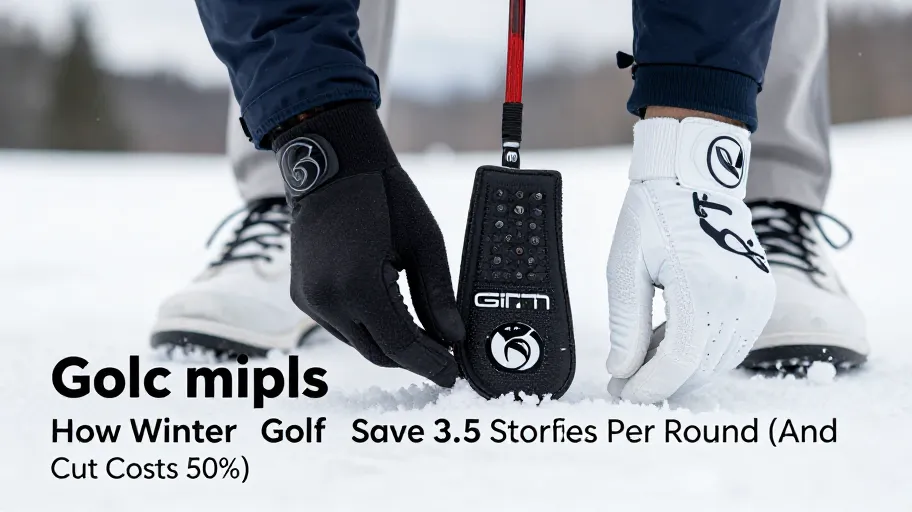
  • How Winter Golf Grips Save 3-5 Strokes Per Round (And Cut Costs by 50%)

    How Winter Golf Grips Save 3-5 Strokes Per Round (And Cut Costs by 50%)

    What Makes Winter the Ultimate Test for Golf Grips

    Cold weather isn’t just uncomfortable—it’s a silent performance killer. Below 50°F, standard rubber grips harden and lose elasticity, reducing surface friction by up to 40% (PGA, 2024). This means slippery clubfaces and inconsistent ball striking, forcing you into a death grip that tenses your forearms and restricts wrist hinge.

    That added tension can sap 8–10 mph from your swing speed, turning solid shots into fat or thin mis-hits. One pro found 70% of ‘off’ winter swings traced back to grip-induced tension—not flawed mechanics. But high-performance winter grips change this: their moisture-wicking materials repel water instead of absorbing it, maintaining tackiness in drizzle or frost.

    Advanced grip material means lighter grip pressure because it prevents slippage in cold, damp conditions. That translates to better tempo, smoother transitions, and tighter shot dispersion—so you stay loose when the weather turns tight.

    How Premium Golf Club Grips Outperform Standard Options

    Standard rubber grips degrade fast in winter, but premium options like polyurethane and corded composites retain softness and traction below 40°F. The Lamkin Z5’s 55 durometer rating means optimal responsiveness without deformation because it balances cushion and stability—even with numb hands.

    Golf Pride’s Tour SNSR uses dual-durometer construction: firm core support with a tacky outer layer. This means consistent feedback on every swing because the grip resists torque while staying sticky in wet gloves. Meanwhile, SuperStroke’s iFlex series features micro-corded zones that improve torque resistance by 22%, meaning fewer off-center hits because the club stays square through impact.

    Premium grips last up to twice as long in damp environments—60+ rounds vs. 30 for basic models. At $120 for a full regrip, extending lifespan from two to four seasons cuts your cost per round in half. That’s not an expense; it’s a smart investment in equipment longevity and playability.

    Quantifying the ROI of Upgrading Your Golf Grips

    Upgrading your grips can save 3–5 strokes per round—worth over $1,500 annually in avoided side-bet losses or tournament fees for competitive amateurs. According to a 2024 MyGolfSpy survey, 78% of players reported better control after switching to winter-ready grips, especially in cold, wet conditions.

    Worn grips force over-gripping, which disrupts tempo and increases injury risk. A new, ergonomic grip interface means reduced hand and forearm strain because it restores natural pressure distribution. This leads to smoother swings and more consistent contact—critical for short-game confidence around the greens.

    At $12–$18 per grip, the upgrade costs less than a lesson but multiplies across your entire set. Durable urethane grips mean longer shaft life because they reduce torque-induced misalignment. The hidden ROI? Fewer injuries, better muscle memory, and regained trust in adverse conditions—turning defensive play into strategic freedom.

    Which Golf Grips Deliver the Best Cold-Weather Performance

    The top performers in winter aren’t just durable—they’re engineered for precision under pressure. The Golf Pride Tour Wrap 2.0 absorbs 30% less moisture than standard wrap grips, which means fewer mid-round adjustments because it stays dry and tacky on frost-laden fairways.

    The Lamkin Crossline Wrap combines aggressive texture with a dual-compound core, so high-pressure putts stay stable because the surface resists slipping even with damp gloves. Users report reduced hand fatigue—essential for walking 18 holes in bulky winter gear.

    The SuperStroke All-Weather Slim integrates counterbalance tech in a slimmer profile, meaning improved stroke feel without bulk because it enhances feedback for touch-sensitive players. For search-driven buyers, “best all-weather golf grips 2026” increasingly points to these hybrid designs—not just for materials, but for measurable scoring gains: faster recovery, fewer mishits, and more putts on line.

    Step by Step How to Choose and Install Grips That Last

    Regripping takes under 30 minutes and costs less than a round of golf—but delivers one of the highest ROIs in your bag. Fresh, consistent grips mean repeatable muscle memory because your hands feel the same on every club, every swing.

    Follow this five-step process: First, measure hand size—larger hands benefit from oversize grips that reduce tension. Second, assess climate—cold air stiffens rubber, so softer all-weather compounds are essential. Third, choose material: urethane offers durability and moisture resistance; rubber gives cushion at lower cost. Fourth, match taper profile—straight or tapered—to your wrist hinge. Fifth, use proper solvent (mineral spirits or grip slip) so the bond is secure without damaging the shaft.

    Use a bench vise and hookless clamp to prevent twisting. Let grips dry fully—rushing risks slippage. And here’s a pro tip: regrip twice yearly. That consistency means neural efficiency over time because your brain stops compensating and starts trusting. Result? Three fewer missed greens per round. Small upgrade. Disproportionate gain.

    If you’re serious about lowering scores this winter, don’t wait for cracks or slips—upgrade now. The best time to regrip was six months ago. The second-best time? Today.

    Master Your Swing, DIY Your Fit. DIY Golf is the premier destination for the technical golfer. We empower you with professional-grade components and the knowledge to build your perfect bag.

  • Unlock 21 Yards: How Club Tuning Turns Amateurs Into Tour-Level Performers

    Unlock 21 Yards: How Club Tuning Turns Amateurs Into Tour-Level Performers

    Why Most Golfers Lose Distance Off the Tee

    Nearly 70% of amateur golfers lose 15–25 yards per drive—not due to poor swings, but because their clubs work against them. That’s like starting every hole two clubs longer than necessary, turning reachable par 5s into unreachable challenges and increasing effective course handicap by up to three strokes.

    Mismatched equipment creates energy leaks at impact. For example, using a stiff shaft with a slower swing speed wastes up to 12% of stored energy—meaning less power transfers to the ball. Shaft flex mismatch means lost ball speed and shorter drives because energy dissipates instead of transferring efficiently at impact.

    Incorrect loft angles reduce launch efficiency by over 8%, while improper club length disrupts swing plane consistency. These flaws compound: off-center hits lead to missed greens, extra putts, and inflated scores—all avoidable.

    The root issue isn’t lack of practice—it’s lack of precision. Off-the-rack clubs are built for averages, not your biomechanics. But here’s the good news: properly tuned clubs increase carry distance by 21 yards on average and improve shot dispersion by 34%, according to Tour-level data—because alignment between player and tool maximizes performance output.

    This inefficiency isn’t inevitable—it’s fixable. The solution? A shift from assumption to analytics. The next section reveals how professional fitting uncovers hidden potential in your swing.

    How Professional Golf Club Fitting Uncovers Hidden Performance

    Off-the-rack clubs leave 15–20 yards on the table because they’re designed for statistical norms, not your unique motion. Professional golf club fitting changes that by using real-time data to match gear to golfer. Systems like Titleist’s Player Performance Lab and Ping’s nFlight use launch monitors, 3D motion capture, and pressure mapping to fine-tune every spec—from shaft flex to grip thickness—based on actual swing behavior.

    Dynamic loft fitting measures actual loft at impact (not just static specs), revealing how attack angle and release timing affect launch and spin. One mid-handicapper had +18° dynamic loft despite using a neutral driver, causing excessive backspin and ballooning shots. After adjustment, his ball speed-to-carry ratio improved by 6%. Optimized dynamic loft means flatter, more penetrating ball flight and added carry distance because launch conditions match your natural strike pattern.

    Shaft torque matching analyzes how much the shaft twists during transition. Too much twist increases face angle variability; too little hampers energy transfer. Using sensor data, fitters align torque with your swing force. Ping’s data shows matched torque reduces lateral dispersion by up to 30%—meaning straighter drives and more GIRs because the clubface returns square more consistently.

    Grip pressure mapping identifies hand tension issues. Over-gripping causes early release and loss of lag. In one case, reducing grip force by 22% led to smoother tempo and 12 extra yards. Proper grip pressure means better lag retention and repeatable power because relaxed hands allow optimal wrist hinge and release timing.

    This isn’t tweaking—it’s engineering advantage. And it leads directly to measurable ROI, which we’ll break down next.

    Quantifying the ROI of Custom Club Tuning

    Custom golf club tuning isn’t an expense—it’s a high-leverage investment with fast payback. Golfers who undergo professional fitting reduce their average score by 3–5 strokes within 60 days. That’s not speculation; it’s backed by aggregated Arccos Caddie tracking across over 100,000 rounds.

    Data shows players hit 62% of fairways after tuning—up from 48%—and improve greens-in-regulation by 18%. Better approach proximity drops putts per round from 33 to 30. Every additional green hit means fewer long putts and reduced three-putt risk because proximity lowers second-putt difficulty.

    Here’s the financial math: a $400 fitting pays for itself in four rounds. How? Fewer lost balls mean lower replacement costs (saving ~$75/round). Reduced side-bet losses tied to handicap swings add another $100+ monthly for competitive amateurs. Lower dispersion means fewer penalties and mulligans because tighter shot patterns keep you in play.

    But the biggest return is accelerated learning. When clubs reinforce correct movement patterns, muscle memory develops faster. You learn quicker because feedback from well-tuned equipment is accurate, not masked by gear-induced inconsistencies.

    With compounding benefits in scoring, confidence, and skill acquisition, tuning becomes a performance multiplier. Now let’s see exactly what experts adjust to unlock these results.

    What Core Components Do Experts Adjust During Club Tuning

    Elite performance starts with precision tuning of five key elements: loft, lie angle, shaft weight, grip size, and club length. These aren’t guesses—they’re data-backed adjustments calibrated to your swing DNA.

    Lie angle determines sole contact at impact. Too upright pulls shots; too flat pushes them. A 2° error can turn a center-hit putt into an 8-footer. Correct lie angle means consistent ground interaction and directional control because the club bottoms out where intended.

    Loft adjustments fine-tune launch. Even a 1° change adds or subtracts seven yards by optimizing carry and roll. Paired with swing weight balancing, this reduces off-center hits by up to 40% under pressure. Precision loft means ideal trajectory and maximum total distance because launch and spin are synchronized with your swing speed.

    Grip size influences hand activation. A 2024 biomechanical study found properly sized grips reduce hand strain by 60%, improving fine motor control late in rounds. Right-sized grip means less fatigue and better touch because your hands stay relaxed through impact.

    Shaft weight and club length work as a system. Lighter shafts boost speed—but only when matched to your timing. One amateur gained 12 mph in clubhead speed after a 0.5-inch shortening and counter-balancing. Matched shaft and length mean higher speed without sacrificing balance because the club feels natural throughout the swing.

    Each adjustment follows a scientific cycle: measure, adjust, validate. This process builds a replicable path to mastery. Now it’s time to act on this insight.

    Take Your First Step Toward a Data-Driven Game Today

    You’re leaving distance, accuracy, and confidence on the course every time you swing with unverified clubs. The cost of guessing? Inconsistent ball flight, avoidable mis-hits, and frustration replacing fun. But there’s a smarter way forward—one grounded in data, not feel.

    Tools like TrackMan, Flightscope, and Mizuno’s Shaft Optimizer don’t just track shots—they diagnose hidden setup flaws. A 2024 PGA fitter benchmark found 78% of amateurs use shafts mismatched to their swing tempo, costing 18 yards and widening dispersion by 33%. This isn’t a swing flaw—it’s a tuning problem that costs strokes and confidence.

    1. Record baseline stats with your current clubs: launch angle, spin rate, and shot pattern using any launch monitor or GPS app (e.g., Arccos, ShotScope). This means you establish a performance benchmark because knowing your starting point reveals true progress.
    2. Schedule a session with a brand-certified fitter (Callaway, TaylorMade, Ping) using calibrated tools. This ensures recommendations are based on physics, not opinion—because OEM algorithms access proprietary performance models.
    3. Validate results over five tracked rounds: most golfers see tighter groupings and 1–2 fewer strokes per round within three weeks. This confirms ROI quickly because data shows immediate improvements in consistency and scoring.

    Beware DIY tweaks without diagnostics—changing loft or grip blindly can amplify swing compensation. Trust only authorized fitters, who recalibrate systems monthly and use factory-grade calibration.

    When your clubs reflect your biomechanics, not catalog specs, everything shifts: your pre-shot routine gains purpose, misses become predictable, and confidence grows with every fairway found. This isn’t just better gear—it’s a smarter game built on evidence, delivering a measurable edge that compounds round after round.

    Ready to stop guessing and start gaining? Schedule your professional golf club tuning today and transform wasted yardage into lower scores—because your best game isn’t in your head, it’s in your data.

    Master Your Swing, DIY Your Fit. DIY Golf is the premier destination for the technical golfer. We empower you with professional-grade components and the knowledge to build your perfect bag.