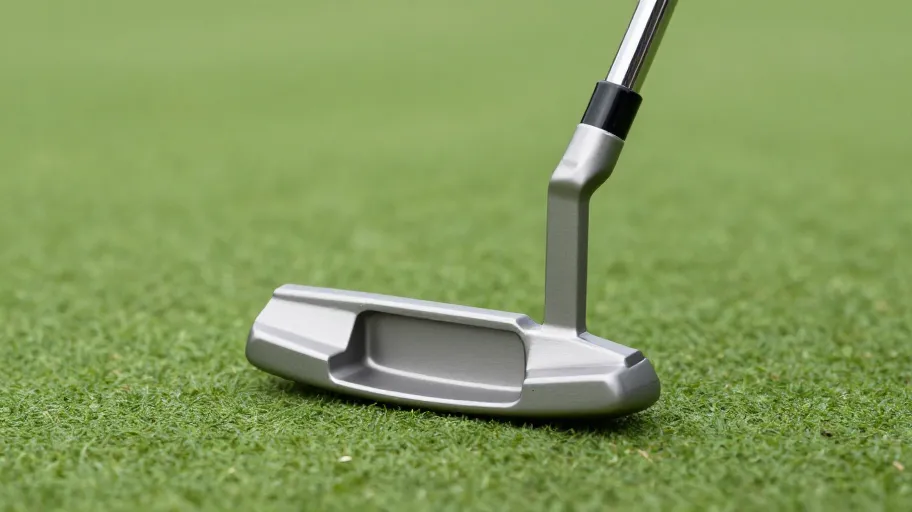
A putter-weight mismatch cannot be diagnosed from a single number. Head weight, total weight, swingweight, length, lie, grip, toe hang, alignment and the player’s setup interact. The practical way to evaluate weight is to compare controlled configurations against the golfer’s current putter—not to promise a percentage improvement.
Start with the current putter
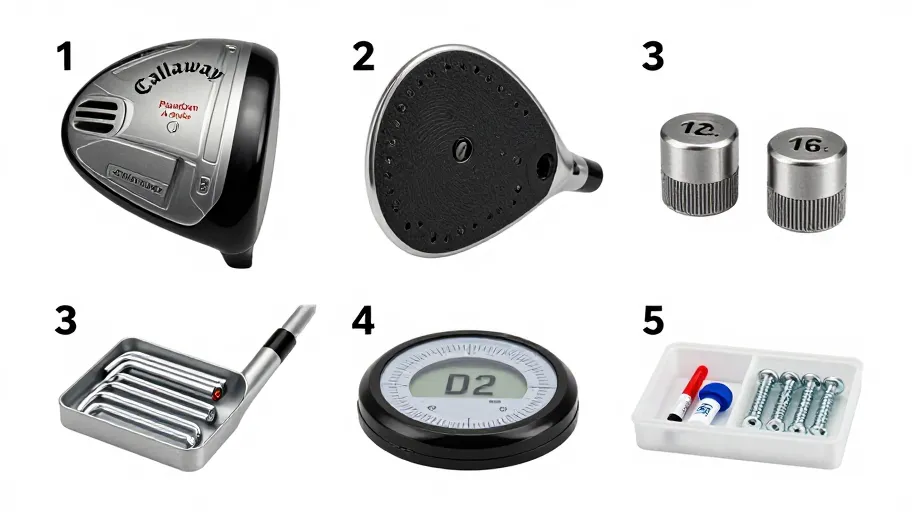
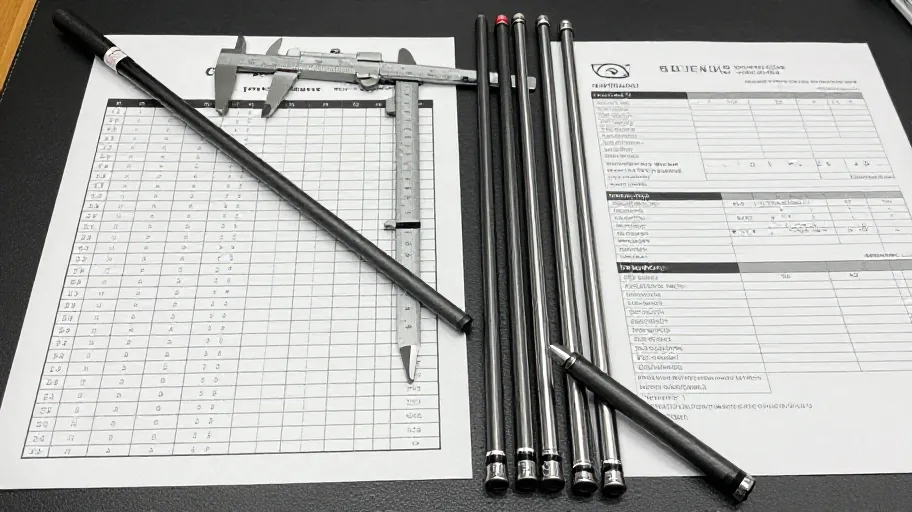
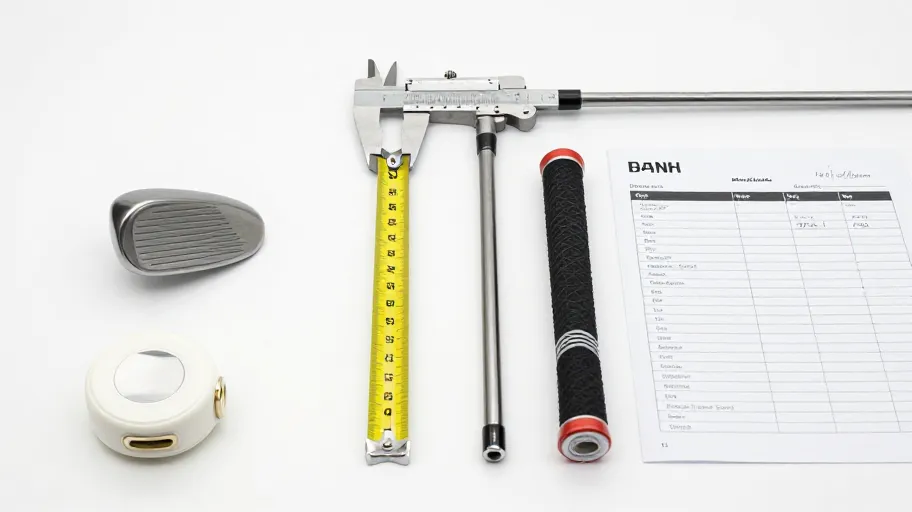
Record the make, model, shaft, grip, length and any adjustable weights. If appropriate equipment is available, also record loft, lie, total weight and swingweight. The official Odyssey fitting protocol begins with a pre-fit interview and the player’s current putter. That preserves a baseline and captures preferences instead of assuming that one head style or balance works for everyone.
Warm up, then roll a small group of putts from repeatable distances. Record the intended line, start direction, strike location, distance result and player feedback. If a launch monitor is available, use the same defined metrics for every configuration. Do not change the putter and the stroke instruction at the same time.
Separate weight from the other variables
A golfer who changes to a different head may also change alignment marks, toe hang, face material, length or lie. If several variables move together, the test cannot show which one mattered. Keep the setup as consistent as possible and change one factor at a time.
- Length and lie: confirm the golfer can address the ball comfortably and return the head without compensating.
- Head shape and alignment: check aim before interpreting a miss as a weight problem.
- Toe hang and CG location: compare the manufacturer’s fitting category with the observed face-to-target pattern; treat it as a test, not a guarantee.
- Total weight and swingweight: record both when possible, because changing the grip or length can change the way the putter balances.
- Feel: keep the golfer’s feedback alongside measured results rather than replacing it with a single score.
A simple comparison protocol
- Hit a baseline group with the current putter.
- Select one model-specific alternative or approved weight setting.
- Repeat the same distances, ball type and target.
- Compare aim, start line, strike pattern, distance control and feel across the group.
- Repeat on another session before treating a small difference as a stable pattern.
Odyssey’s published protocol compares short groups with the gamer and candidate putters, then considers face-to-target data and player feedback on look, alignment, start line and feel. It also notes that changing toe hang can produce the opposite result in some cases. That is an important reason not to turn a fitting cue into a universal prescription.
Adjustment and rules boundary
If the putter has replaceable weights, use only parts and tools approved for the exact model. Confirm that each fastener is fully locked before play. The USGA Equipment Rules permit adjustable-weight designs when the mechanism meets the locking and special-tool requirements, but deliberately changing a club’s playing characteristics during a round is not permitted.
Document the final configuration so it can be restored after a grip, shaft or length change. For a broader explanation of clubhead-weight records, see the clubhead weight comparison guide.
Primary references
- Odyssey Putter Fitting Protocol—baseline, candidate comparison and face-to-target review.
- Odyssey Putter Fitting System—current-putter records and length/head fitting sequence.
- USGA Equipment Rules, Rule 1 interpretations—adjustability and locking requirements.
Checked September 18, 2026. Use the current instructions for the exact putter model and obtain a qualified fitting when a setup or stroke issue is unclear.