The Real Reason Your Putter Fails Under Pressure—And How to Fix It
Why your putter wobbles when it matters mostWhen you miss a short putt under pressure, it’s not always your stroke—it’s likely your putter’s s...
Read More arrow_forwardExpert tips, product reviews, and guides to help you improve your game.
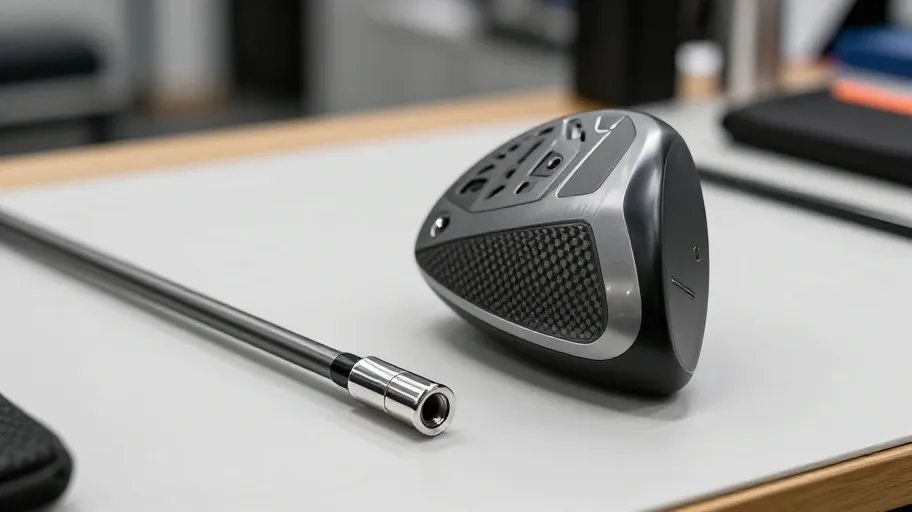
Why your putter wobbles when it matters mostWhen you miss a short putt under pressure, it’s not always your stroke—it’s likely your putter’s s...
Read More arrow_forward
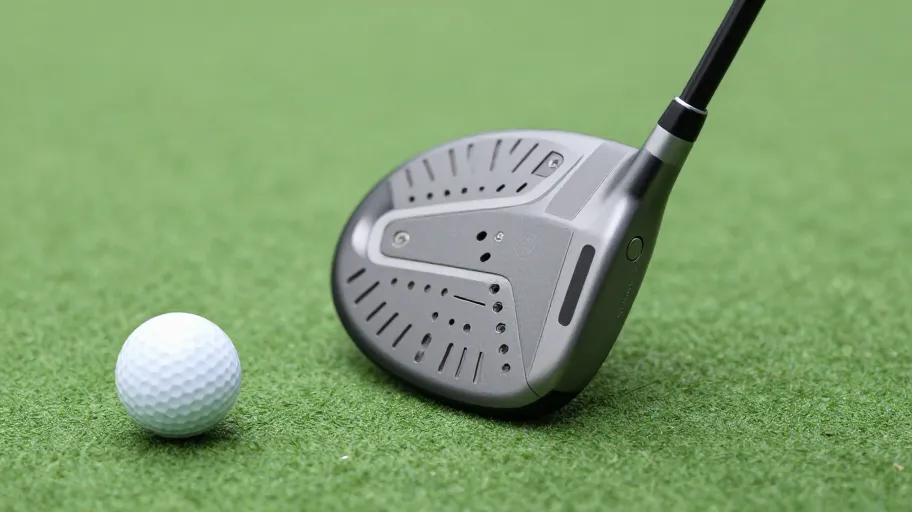
Why Golfers Keep Killing Good DriversMost golfers toss entire drivers just because the shaft doesn’t match their swing—despite the head being perf...
Read More arrow_forward
Why consistent head weights beat perfect swingsPrecise golf club head weights mean better shot consistency because small imbalances destabilize swing ...
Read More arrow_forward
Why Misalignment Ruins Your Putting Before You SwingOver 70% of amateur golfers aim incorrectly before they stroke the ball, according to PGA Tour bio...
Read More arrow_forward
Why your driver might be fighting your swingGolfers lose fairways not because of bad swings—but because their clubs are out of alignment. One tourin...
Read More arrow_forward
Why most bulk adapter orders fail at quality controlGolf shaft adapter bulk production fails not because of bad intent—but because material toleranc...
Read More arrow_forward
Why mismatched clubs sabotage your gameWhen your irons vary by more than a few grams in head weight, you’re fighting your own swing before you even ...
Read More arrow_forward
Why most golfers use the wrong shaft flexOver 60% of recreational golfers use the wrong shaft flex—not because they’re careless, but because they ...
Read More arrow_forward
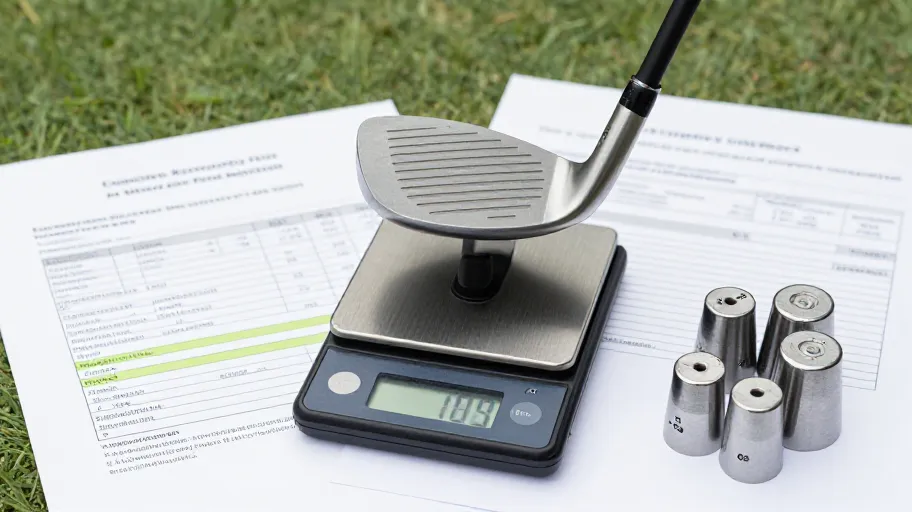
To compare putter weights accurately, stop relying on photographs. Implement the Mass-Balance Verification Protocol: document the exact mass, confirm ...
Read More arrow_forward
To verify golf club weights for a specific build, measure the first sample's mass, confirm the mounting geometry matches your target club family, and ...
Read More arrow_forward
Before you commit to any component purchase for a diy golf build, you must document the exact club family, model, shaft tip diameter, hosel bore depth...
Read More arrow_forward
What Causes Most Putting Errors on the GreenOver 70% of missed putts come from misaligned strokes and poor distance control—costing weekend golfers ...
Read More arrow_forward
Why your putter might be working against youInconsistent putting starts long before you address the ball—it begins with a design mismatch. Most play...
Read More arrow_forward
Why incomplete BOMs break golf club productionWhen 5,000 driver heads passed inspection but failed on the range due to shaft slippage, the problem was...
Read More arrow_forward

Why Your Eyes Lie About Club WeightYou’re trusting your game to a visual estimate — and the numbers prove it’s failing. Over two-thirds of amate...
Read More arrow_forward
Why most golfers choose the wrong grip sizeOver 60% of amateur golfers play with an invisible handicap: a grip that doesn’t fit. This mismatch disru...
Read More arrow_forward

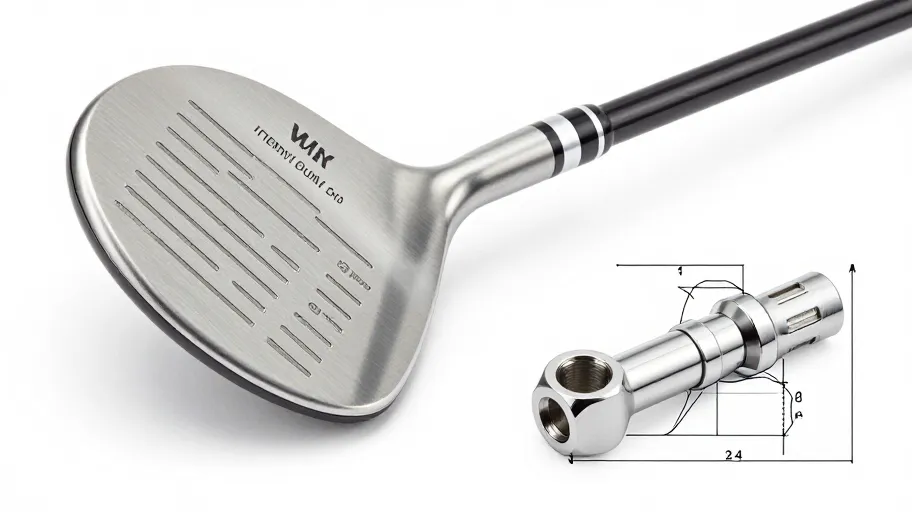
A golf shaft sleeve adapter requires three documented elements to confirm compatibility: a verified technical drawing, a detailed bill of materials (B...
Read More arrow_forward
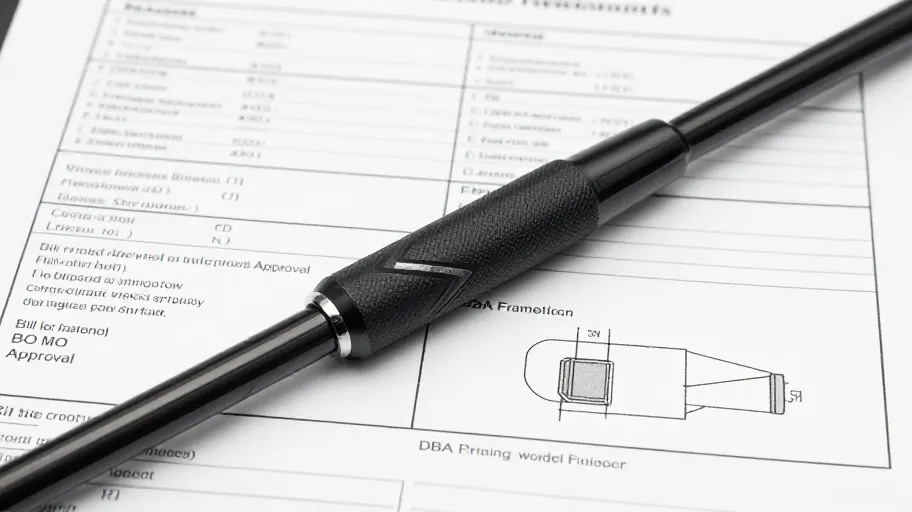
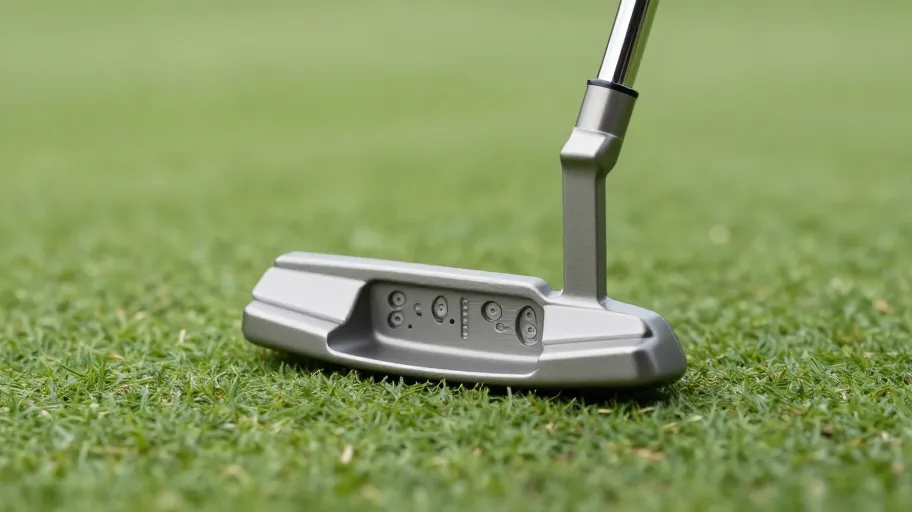
Reviewing a first sample of replacement putter weights requires verifying mass, thread compatibility, sole clearance, and finish before installation. ...
Read More arrow_forward
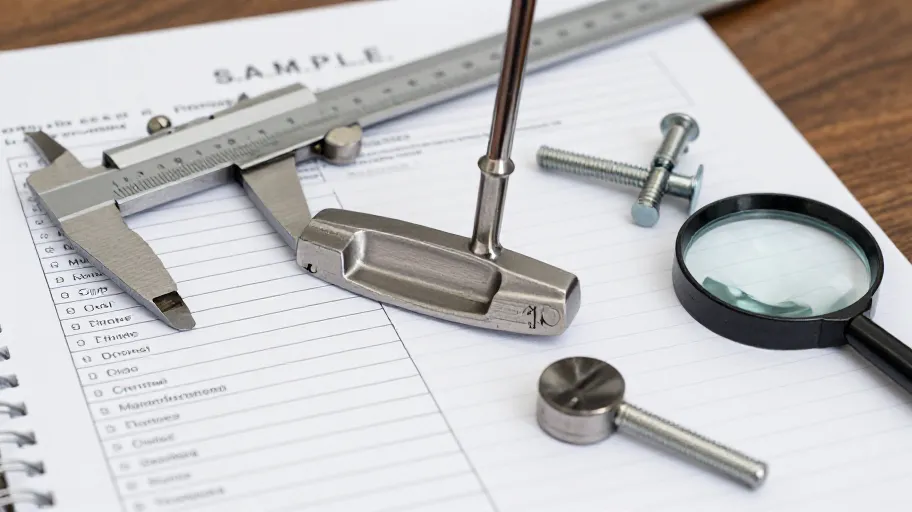
To compare golf club weights without relying on photos, request documented mass specifications, material composition, and exact housing dimensions fro...
Read More arrow_forward
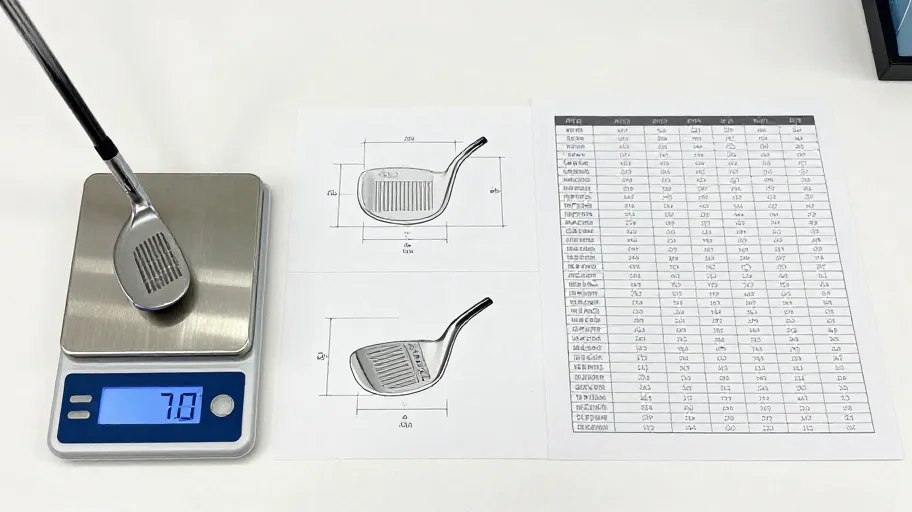
Why club fitters lose accuracy without adaptersInconsistent bore sizes between manufacturers—0.335" (Titleist, Callaway) vs. 0.370" (TaylorMade, Pin...
Read More arrow_forwardUse the Golf Component Lab to choose a source-scoped compatibility check, a used-shaft inspection workflow or a measurement-first fitting guide.
Open the Golf Component Lab