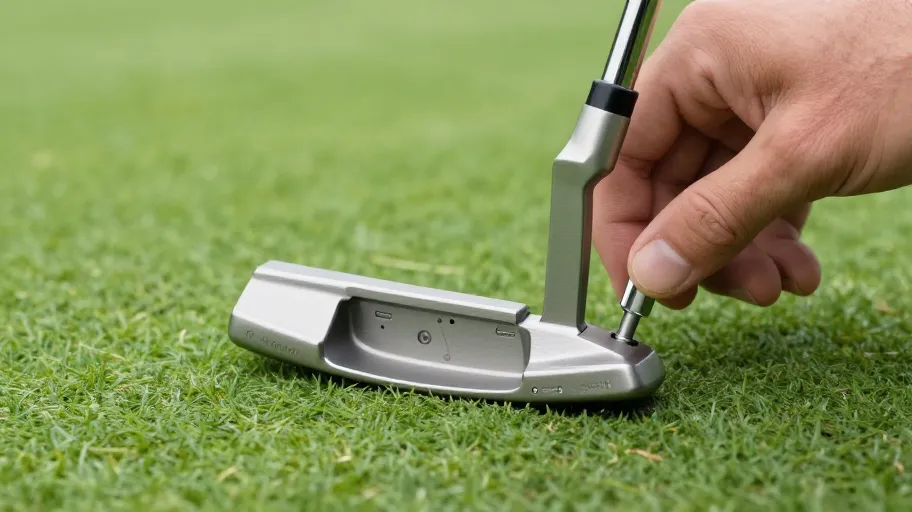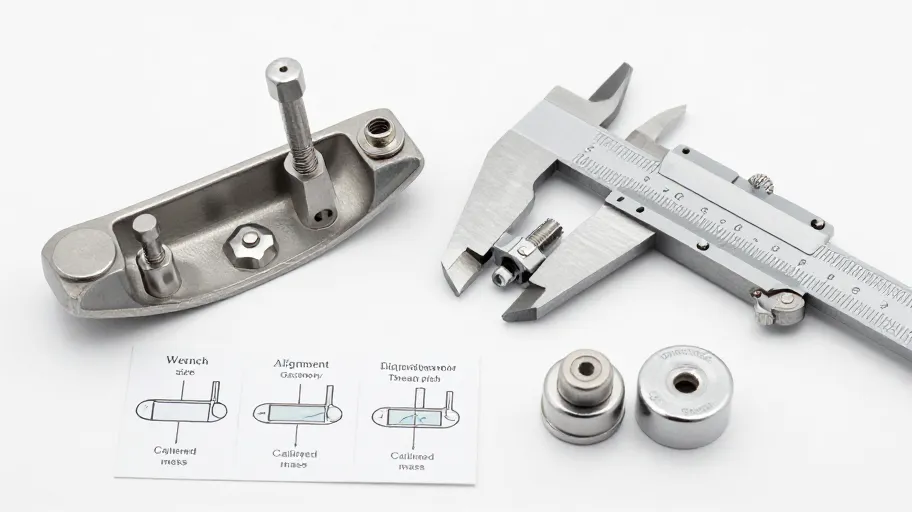
Putter Weights: A Fit, Geometry and Approval Checklist
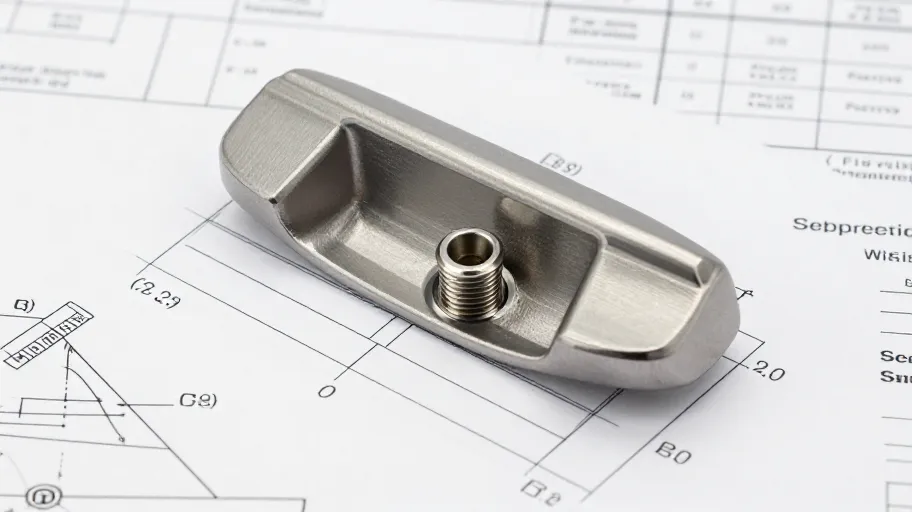
Selecting replacement putter weights requires matching thread pitch, sole geometry, and material density to your specific club model. Use the W.A.T.C....
Read More arrow_forwardExpert tips, product reviews, and guides to help you improve your game.
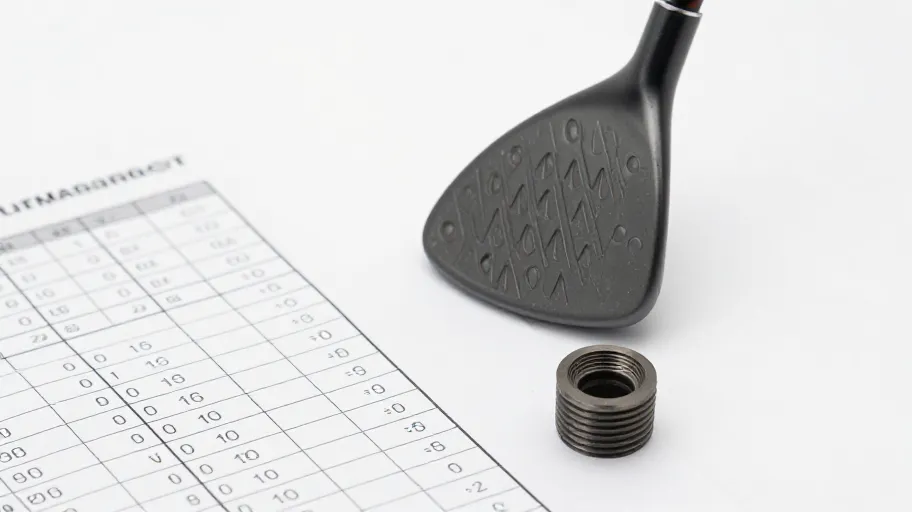
Selecting replacement putter weights requires matching thread pitch, sole geometry, and material density to your specific club model. Use the W.A.T.C....
Read More arrow_forward
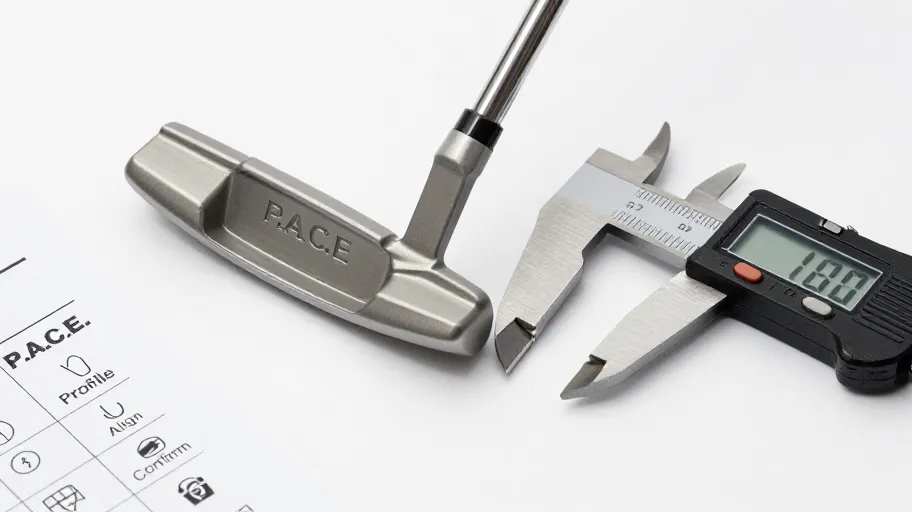
To confirm golf club weights compatibility, verify the exact mass, interface threading, and sole port or hosel geometry for your specific club model. ...
Read More arrow_forward
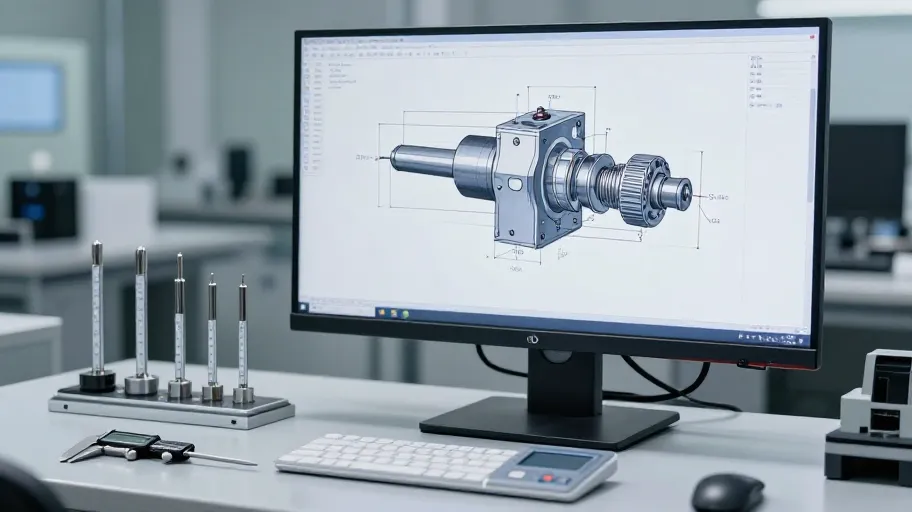
To resolve golf putting problems before sourcing components, document the exact putter model, current shaft tip geometry, and hosel bore dimensions. U...
Read More arrow_forward
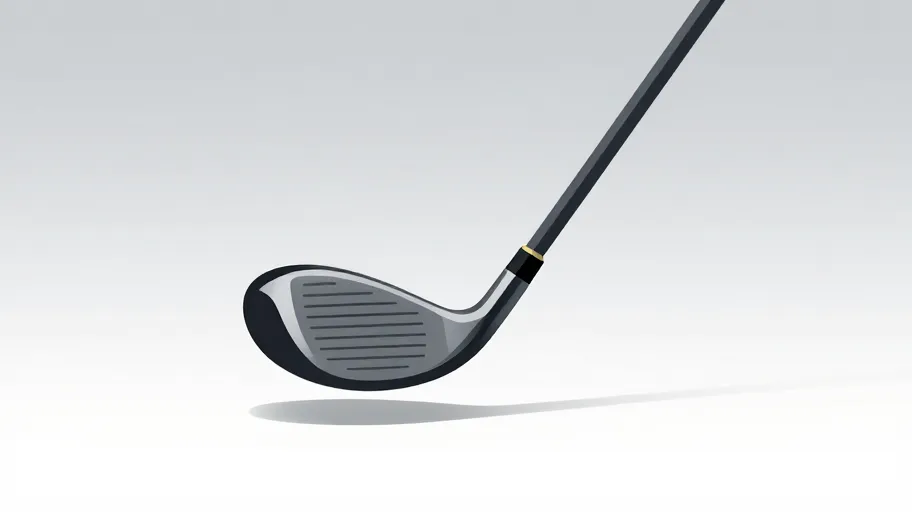
Why most golfers miss short putts (and don’t know why)Inconsistent putting usually has nothing to do with nerves or alignment—it’s a physics mis...
Read More arrow_forward
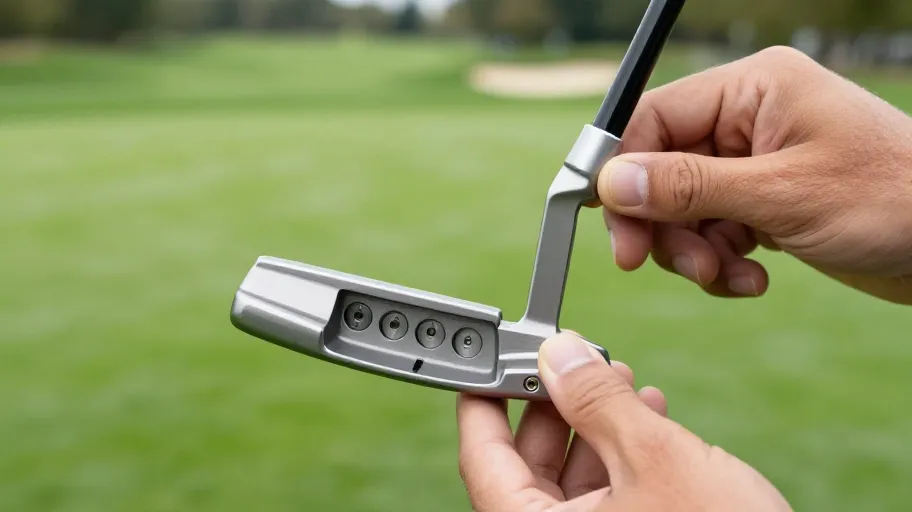
Why club weights vary across setsGolf club weights are engineered—not arbitrary. Each club’s head weight matches its role: drivers run 190–200g ...
Read More arrow_forward

Why most golfers pick the wrong shaft flexOver 70% of amateur golfers use the wrong shaft flex—meaning they’re fighting their own equipment before...
Read More arrow_forward

Why wrong weight placement kills your drivesWhen the center of gravity (CG) is misaligned, it destabilizes launch conditions no matter how clean your ...
Read More arrow_forward

Why most golfers get putting wrongOver 68% of amateurs blame their stroke when they miss putts—tweaking grip, tempo, or follow-through—but see no ...
Read More arrow_forward
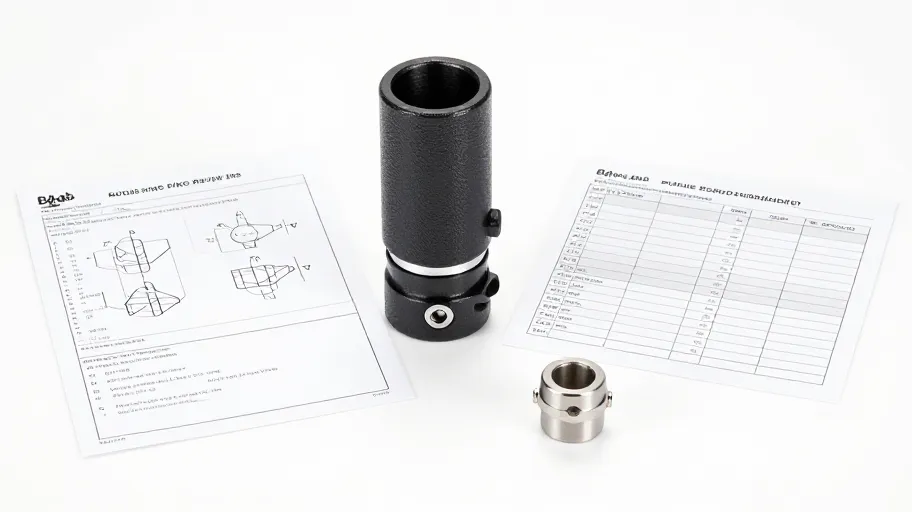
To verify a golf shaft sleeve adapter, you must document the exact club model, hosel geometry, and shaft tip diameter. Build a quote-ready drawing and...
Read More arrow_forward
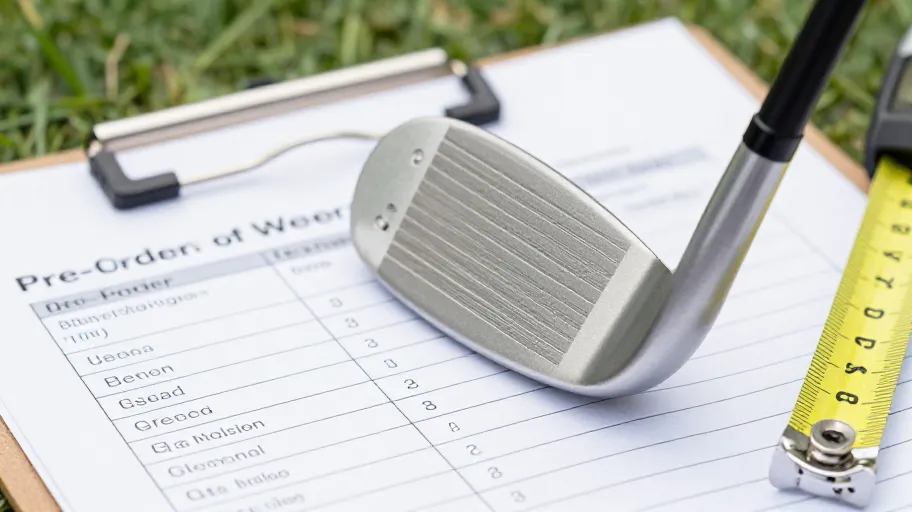
To source replacement putter weights accurately, build a quote-ready drawing and review pack before contacting any supplier. This pack must document t...
Read More arrow_forward
To confirm golf club weights compatibility, buyers must record exact model specifications, physical dimensions, and material composition before placin...
Read More arrow_forward
Why most golfers get shaft flex wrongYou’re probably using the wrong golf shaft flex—not because of your swing speed, but because the system is br...
Read More arrow_forward
Why industrial balancing components fail under real loadsIndustrial balancing components don’t fail because materials are weak—they fail because m...
Read More arrow_forward
Why most golfers get it wrongOver 60% of amateur golfers play with grips that don’t match their hand size—sabotaging shot control before they even...
Read More arrow_forward
Why mismatched swingweight ruins your roundYou’re not failing your swing—your clubs are failing you. When swingweight measurement is off, even by ...
Read More arrow_forward
Why Swing Weight Fails Real GolfersSwing weight measures only the static balance point of a club—typically 14 inches from the grip end. That means i...
Read More arrow_forward
Why your putter fights your strokeIf you’re three-putting more than you should, your putter might be working against you. An off-balance head disrup...
Read More arrow_forward
Why most golfers choose the wrong shaft flexYou’re losing distance and accuracy not because of your swing flaws—but because your shaft flex is wor...
Read More arrow_forward
Why Most Golfers Choose the Wrong Grip SizeYou’re not alone if your golf shots scatter like shrapnel—despite lessons, new gear, and hours on the r...
Read More arrow_forward
Why most golfers play with the wrong grip sizeOver 70% of amateur golfers use the wrong grip size—not because they’re careless, but because they c...
Read More arrow_forwardUse the Golf Component Lab to choose a source-scoped compatibility check, a used-shaft inspection workflow or a measurement-first fitting guide.
Open the Golf Component Lab