Putter Weights: How to Review a Revised Sample Without Starting Over
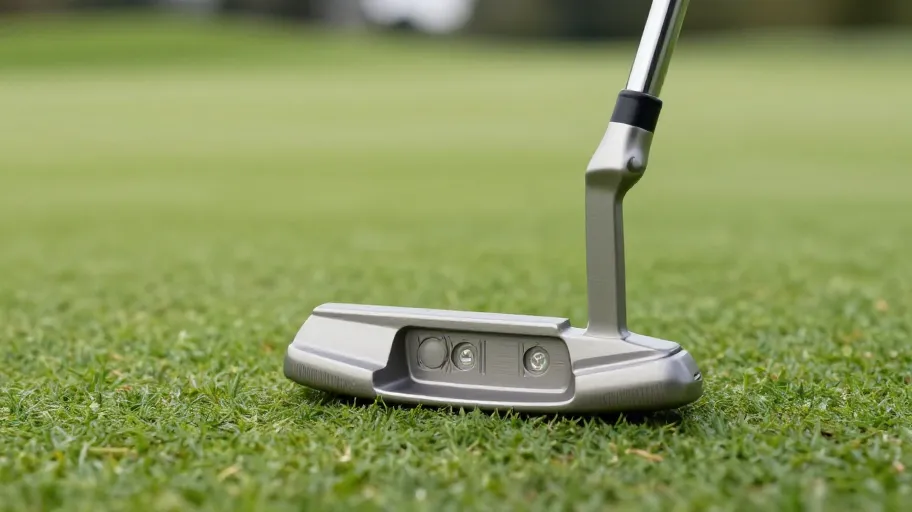
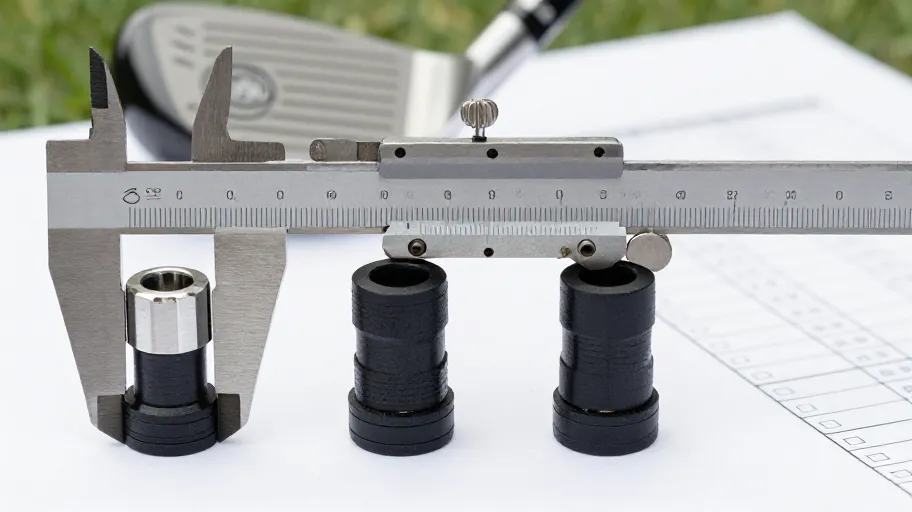
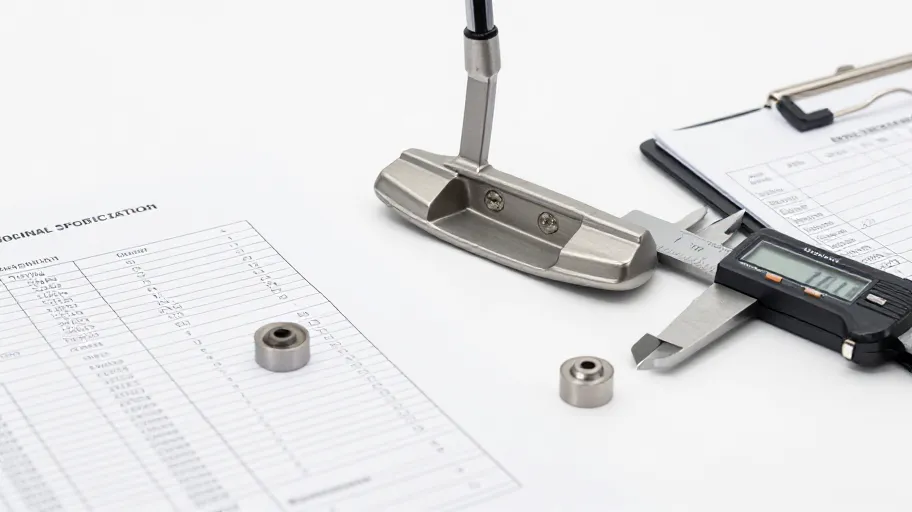
When a revised putter-weight sample arrives, you do not need to restart your comparison from zero — and you should not. A proper review is a structu...
Read More arrow_forwardExpert tips, product reviews, and guides to help you improve your game.
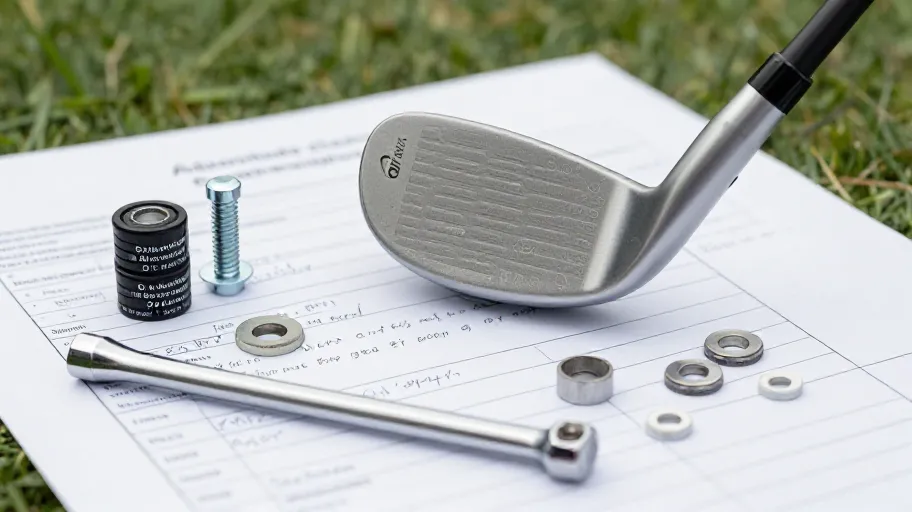
When a revised putter-weight sample arrives, you do not need to restart your comparison from zero — and you should not. A proper review is a structu...
Read More arrow_forward
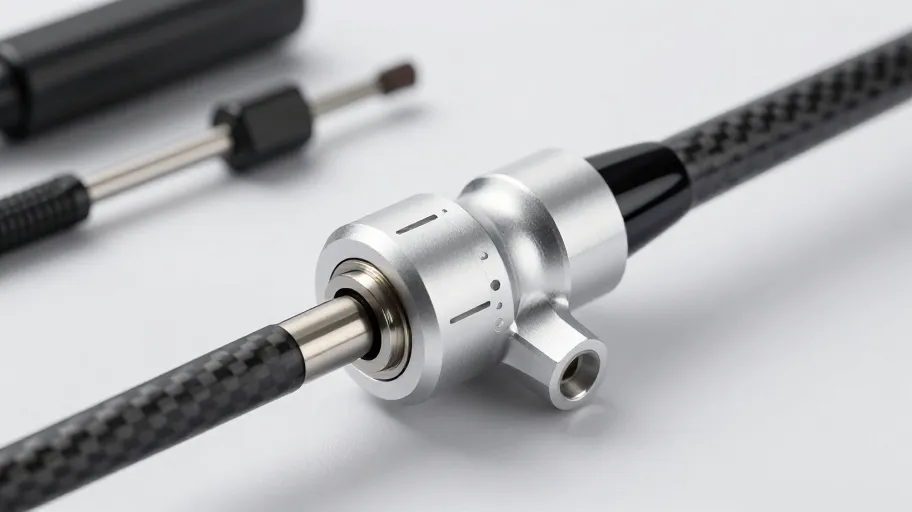
Before you sign off on any golf club weight, confirm four things in writing for the exact club brand, family and model: that the weight's type and int...
Read More arrow_forward
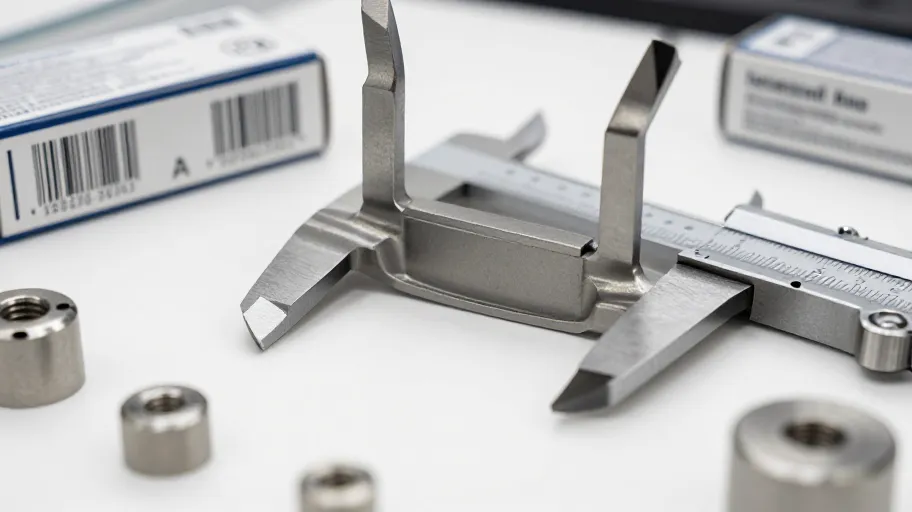
Why Golfers Are Swapping Shafts Instead of ClubsGolfers are upgrading shafts more than ever because modern drivers last 5–7 years—nearly double th...
Read More arrow_forward
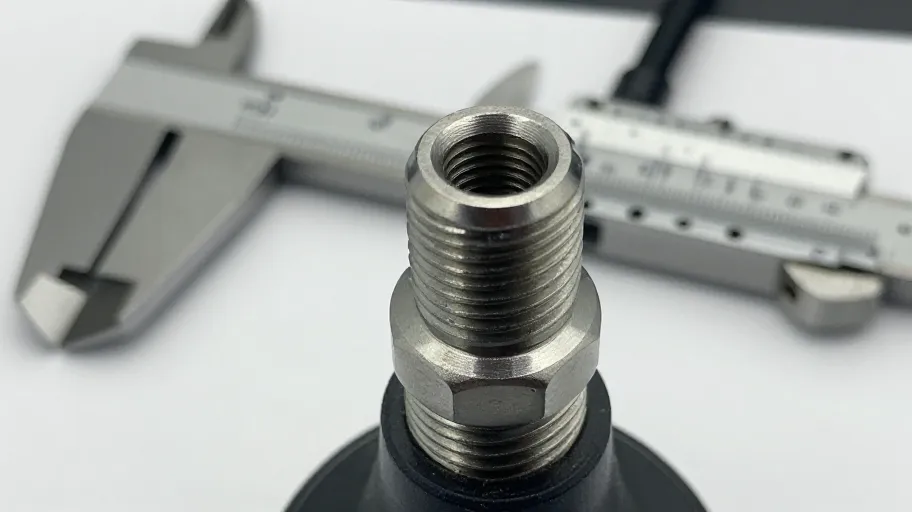
Why Instability Wastes Strokes Even When Your Stroke Looks SmoothPoor putter stability doesn’t always look dramatic—it can be a 3° face rotation ...
Read More arrow_forward
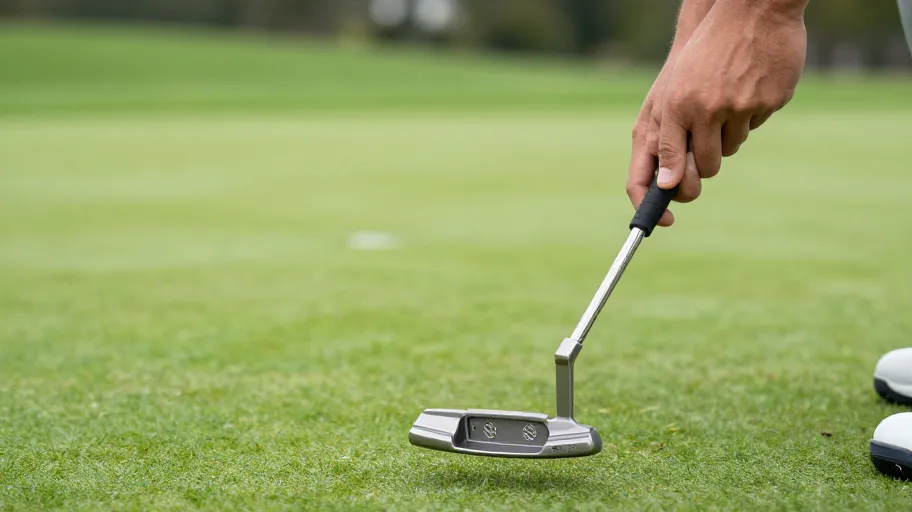
Why driver weights change everythingShifting weight in your driver isn’t a minor tweak—it directly alters launch conditions, spin, and forgiveness...
Read More arrow_forward
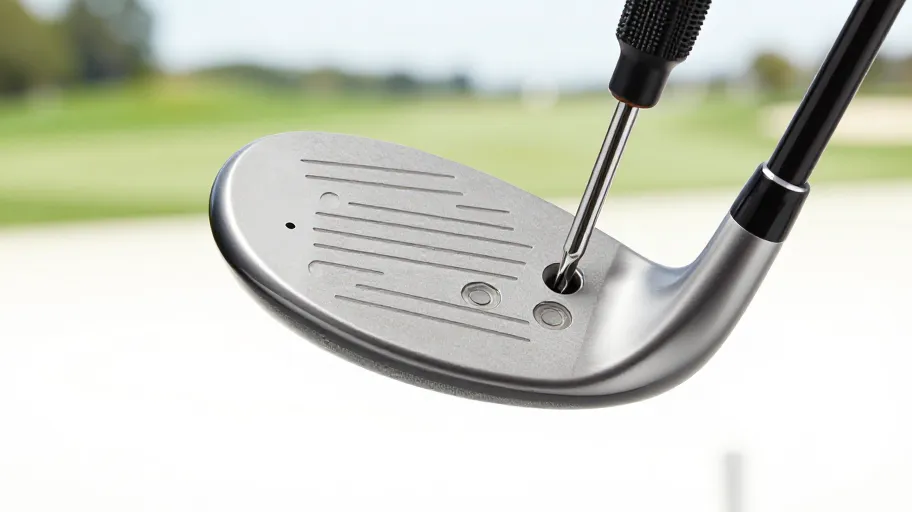
Why Your Driver Fails at the HoselThe biggest weak spot in modern drivers isn’t the face or crown—it’s the hosel. Over 40% of structural failure...
Read More arrow_forward
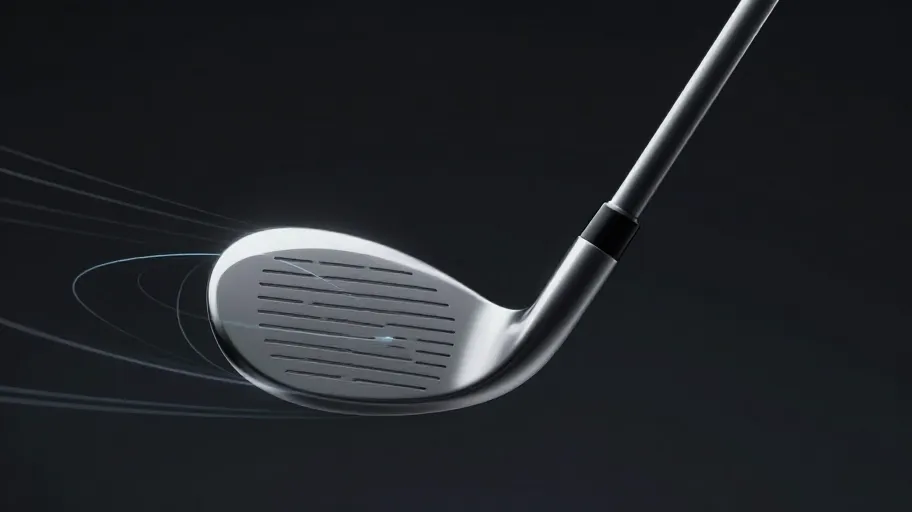
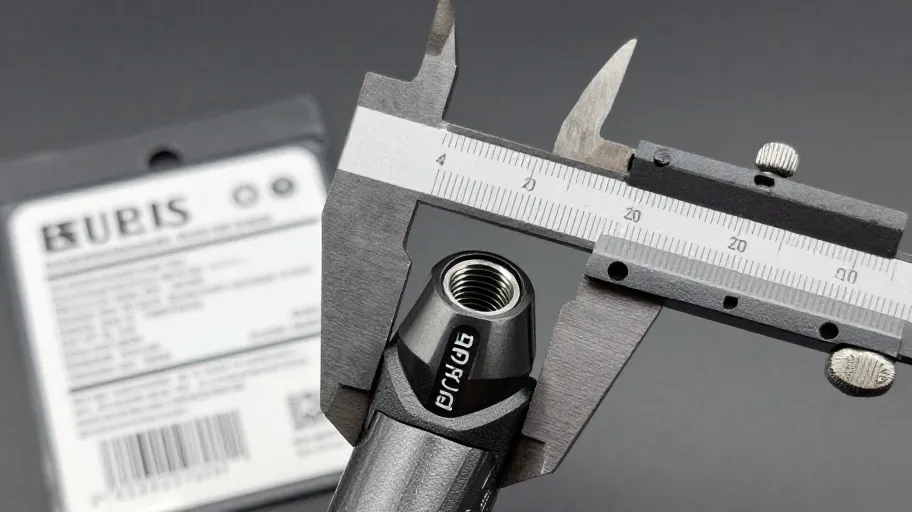
A golf shaft sleeve adapter only matters at the point of contact between your shaft and your club head, so every buying decision starts with one verif...
Read More arrow_forward
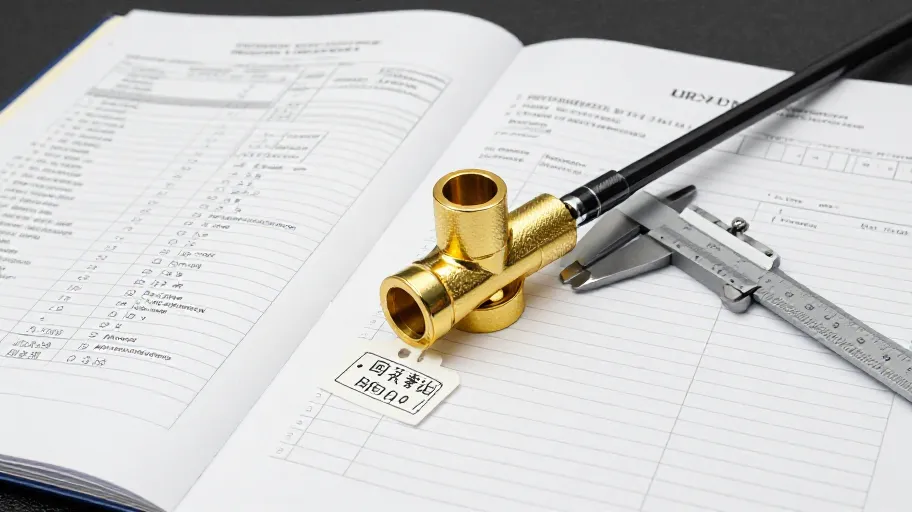
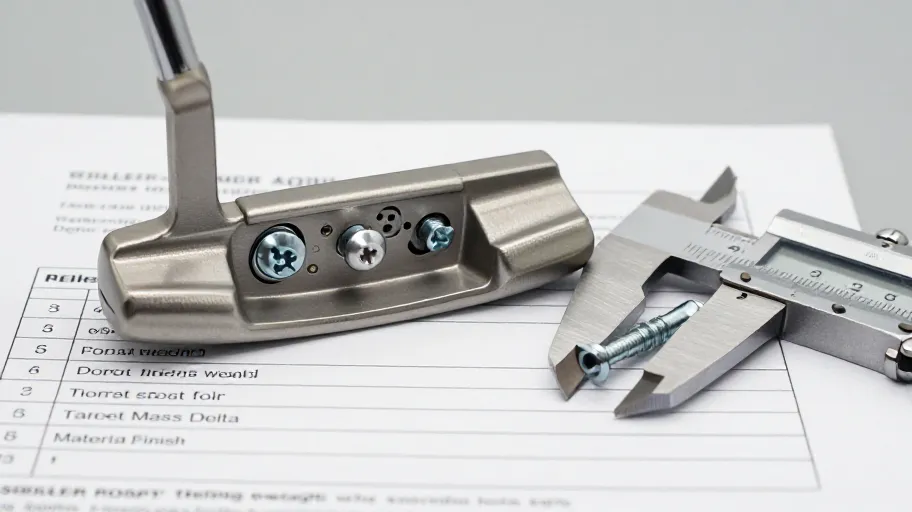
Replacing or tuning putter weights is a fitment decision, not a preference poll. Before sign-off, keep evidence of the exact port thread, the measured...
Read More arrow_forward
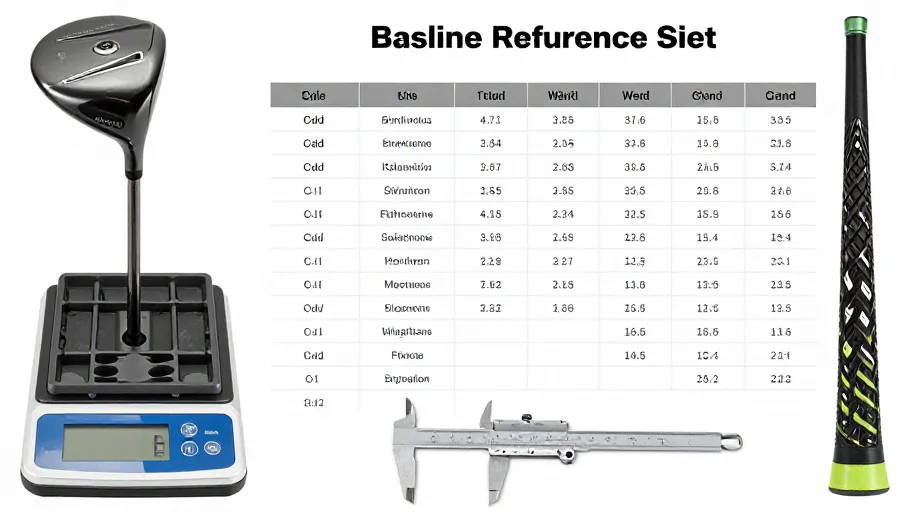
When a revised golf club weight sample arrives, do not restart the full evaluation. Compare it against your documented baseline from the first sample,...
Read More arrow_forward
Why most drives go sidewaysIt’s not your fault your drives slice or lack power—most golfers are fighting equipment mismatch, not swing flaws. A 20...
Read More arrow_forward
Why Stroke Consistency Lives in the WeightA putter that matches your biomechanics means fewer compensations, better tempo, and face stability through ...
Read More arrow_forward
Why most golfers use the wrong shaft flexOver 60% of amateur golfers play with mismatched shafts—killing distance and consistency no matter how much...
Read More arrow_forward
A revised golf shaft sleeve adapter sample does not demand a full re-evaluation — it demands a disciplined delta review. Compare the new sample agai...
Read More arrow_forward
Buying replacement putter weights comes down to three verifiable things: an exact thread and port match for your putter's brand, family and model; a f...
Read More arrow_forward
When a supplier proposes a material change for a golf club weight, treat it as unverified until you confirm five things: the achieved weight stays wit...
Read More arrow_forward
Why most golfers miss short puttsInconsistent putting isn’t a mental flaw—it’s a mechanical mismatch. When a mid-handicap player lines up a 5-fo...
Read More arrow_forward
Why most golfers miss the fairway (and don’t know why)It’s not your swing path or tempo—it’s your club’s center of gravity. A stock driver w...
Read More arrow_forward
Why swing weight controls your game without you noticingSwing weight means total control over tempo and contact because it determines how the club fee...
Read More arrow_forward
A golf shaft sleeve adapter hand-off succeeds when three things are locked together before production starts: the approved sample is physically retain...
Read More arrow_forwardUse the Golf Component Lab to choose a source-scoped compatibility check, a used-shaft inspection workflow or a measurement-first fitting guide.
Open the Golf Component Lab